Only One Pink MacBook in Stock: Why Apple’s Color Options Remain Limited
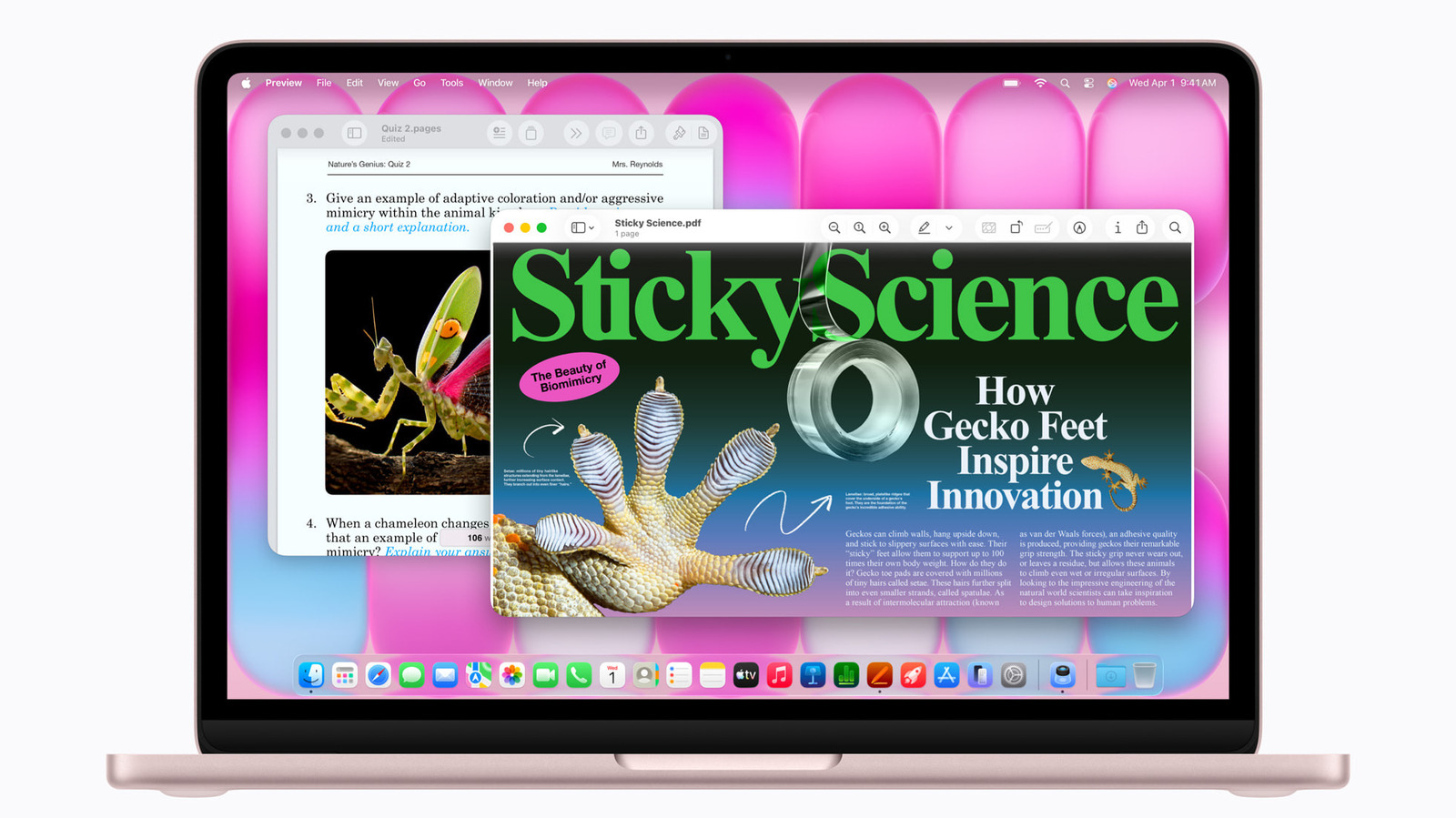
Apple’s current lineup includes just a single pink MacBook model, a fact that has sparked curiosity among consumers who are looking for more variety in the company’s laptop colors.
The tech giant has traditionally offered a narrow palette for its MacBook line, focusing on classic silver, space gray and, more recently, a few brighter hues for its iPhone and iPad families. While the iPhone 15 series introduced a pastel pink shade that quickly became popular, the MacBook range has not seen a comparable expansion, leaving the lone pink variant as the only option for shoppers seeking a softer aesthetic.
Industry observers note that the pink MacBook is being sold as a special‑edition unit, produced in limited quantities and often tied to specific retail partners. Limited runs allow Apple to test market interest without committing to a full‑scale color overhaul, and they also create a sense of exclusivity that can drive early‑adopter sales.
Supply‑chain realities also play a role. Apple’s manufacturing network is already stretched by high demand for its flagship devices, and introducing a new color requires additional tooling, paint processes and quality‑control steps. With component shortages still affecting the broader tech sector, the company appears to be prioritizing its core configurations over a broader color spectrum for laptops.
Consumers who value personalization have expressed disappointment, and the scarcity of the pink model has already influenced the secondary market, where resale prices for the limited‑edition laptop have risen above its original retail cost. This dynamic underscores the growing appetite for aesthetic variety in premium electronics.
Looking ahead, analysts suggest that Apple could broaden its MacBook color offerings if the pink variant proves popular enough to justify larger production runs. Until then, the single pink MacBook remains a niche option, reflecting both the brand’s cautious approach to diversification and the ongoing logistical challenges of expanding its product palette.


Comments (0)
Be the first to comment.
Join the discussion