iPhone Handoff Lets One Number Follow You Across Two Devices, and Most Major Carriers Are On Board
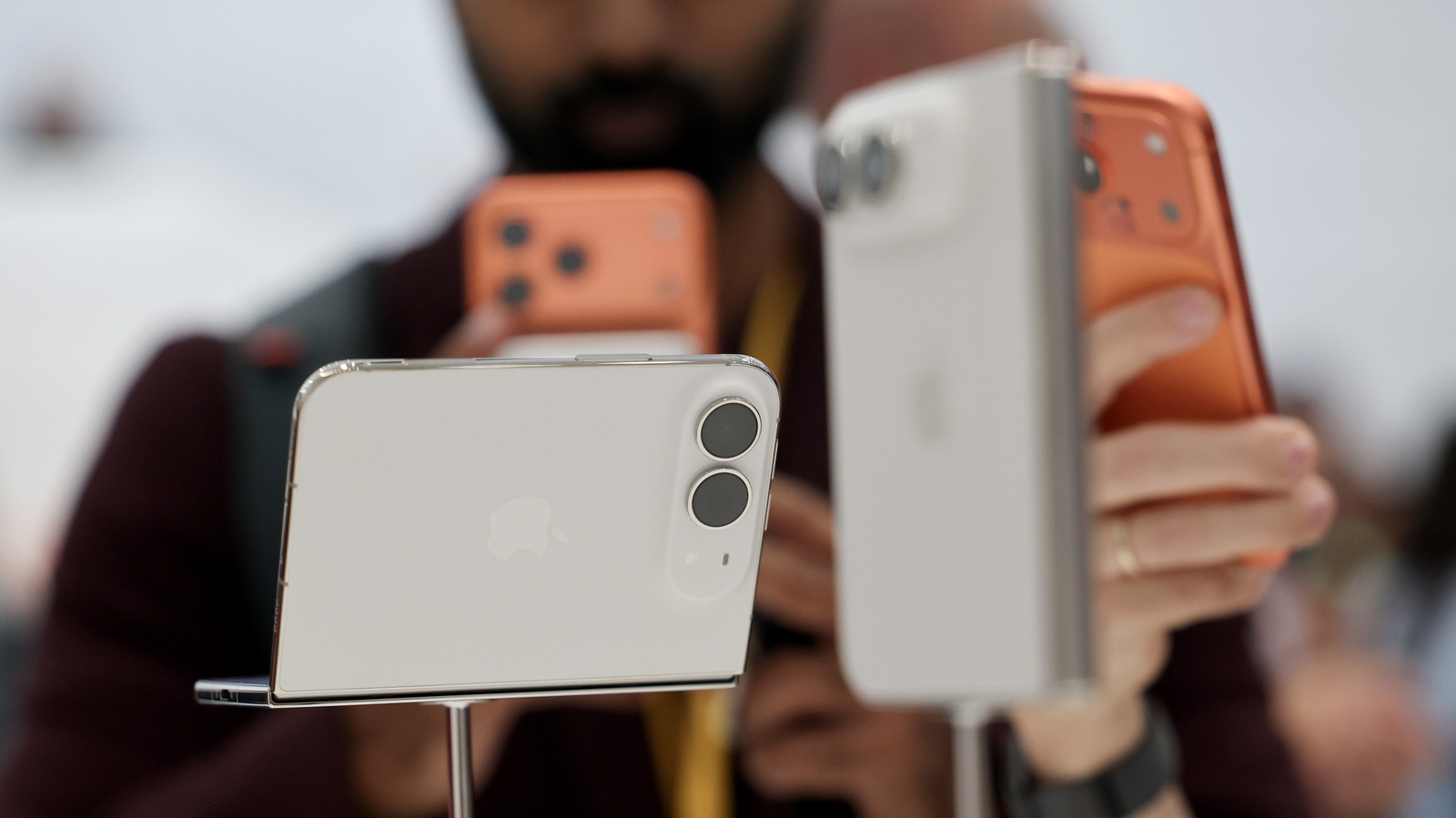
Apple’s Handoff feature, part of the broader Continuity suite, allows users to start a call, text, email or other activity on one iPhone and seamlessly pick it up on another, using the same phone number. The capability is especially useful for people who alternate between a personal and a work iPhone, eliminating the need to manually transfer calls or re‑enter messages.
Handoff works by establishing a short‑range Bluetooth LE connection between the two devices and then routing the data over a shared Wi‑Fi network. When the user initiates an action on the first iPhone, the operating system creates a handoff token that the second iPhone can recognize, presenting a banner that lets the user continue the activity with a single tap.
Because the feature relies on Wi‑Fi and Bluetooth rather than the cellular network, it does not depend on a specific carrier for the handoff itself. However, carriers must support the underlying iPhone features such as Wi‑Fi calling, eSIM provisioning and seamless number portability for the experience to be truly frictionless. In practice, the major U.S. carriers – Verizon, AT&T, T‑Mobile and the newer entrants that offer eSIM‑first plans – have confirmed compatibility with Handoff, and they allow a single mobile number to be assigned to multiple devices through dual‑SIM or eSIM arrangements.
Internationally, a similar picture is emerging. Large European operators, several Asian carriers and a growing number of Canadian providers have rolled out the necessary eSIM and Wi‑Fi calling support, meaning iPhone users in those markets can also take advantage of Handoff without extra configuration. Smaller carriers that have not yet enabled eSIM or Wi‑Fi calling may still let users pair two iPhones, but the handoff experience can be limited to data‑only activities such as Safari or Notes.
For users, the practical benefit is clear: a work call received on a corporate iPhone can be answered on a personal device if the latter is nearby, and vice versa, without exposing the personal number to a business contact. Likewise, a draft email started on one phone can be finished on the other, preserving the same cellular connection and ensuring continuity of the conversation.
Apple recommends that both iPhones be signed into the same iCloud account, have Bluetooth and Wi‑Fi turned on, and be running the latest iOS version to guarantee the smoothest handoff. The feature also extends beyond phones; iPads and Macs that meet the same criteria can act as additional handoff points, effectively turning the Apple ecosystem into a single, fluid communication platform.
Looking ahead, analysts expect Apple to deepen the integration of Handoff with upcoming iOS releases, possibly adding support for more third‑party apps and expanding the range of carrier‑specific features such as VoLTE handoff. As eSIM adoption accelerates and more carriers open their networks to seamless number sharing, the barrier to using a single number across multiple devices is likely to diminish further, making Handoff an even more compelling tool for both consumers and enterprises.


Comments (0)
Be the first to comment.
Join the discussion