OLED TVs Face Burn‑In Risk, but Simple Practices Can Keep Screens Fresh
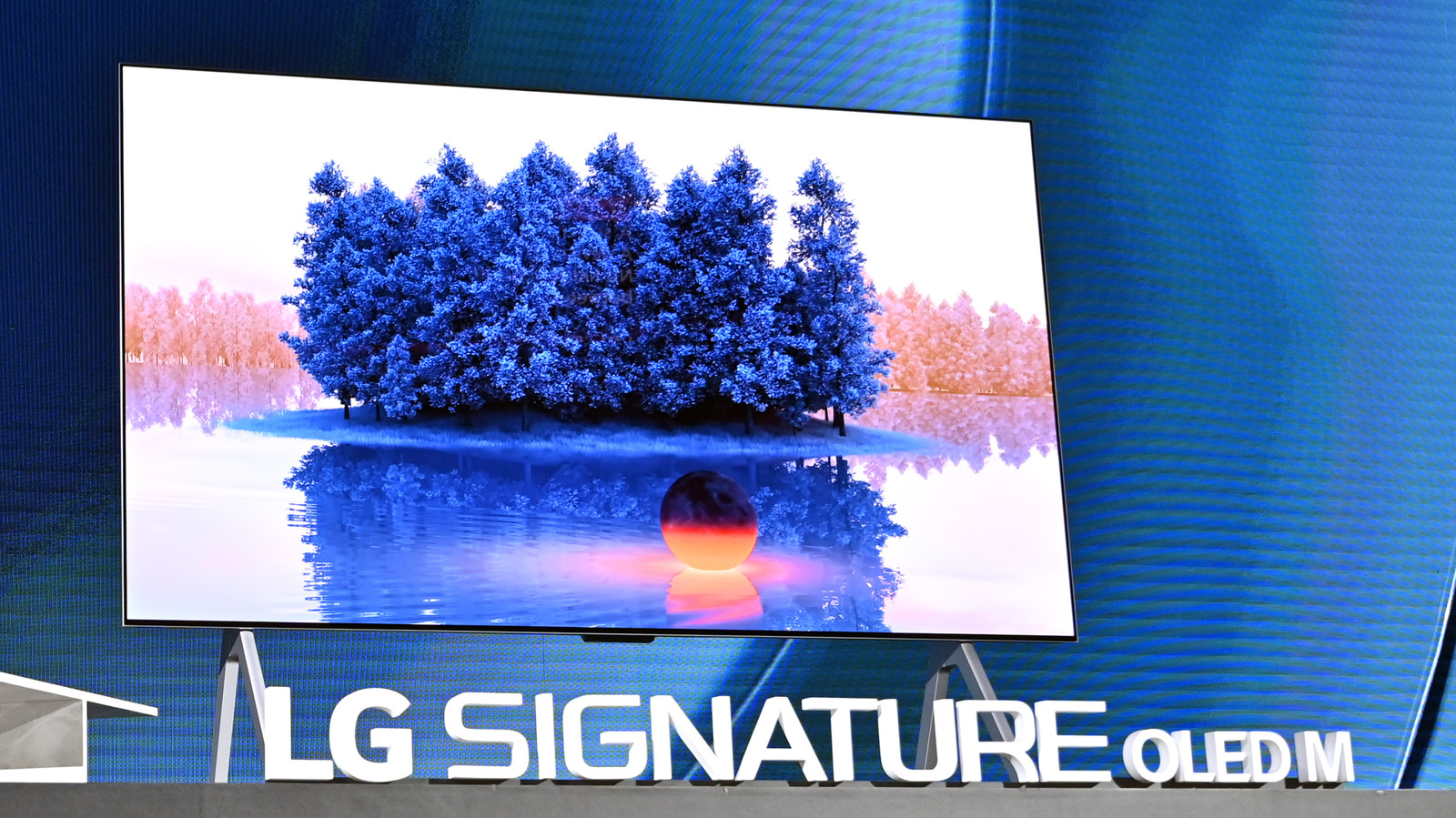
Consumers buying new televisions are being warned that organic light‑emitting diode (OLED) panels, while praised for deep blacks and vibrant colors, are more susceptible to image retention, commonly known as burn‑in, than other display technologies.
Burn‑in occurs when static elements—such as network logos, news tickers, or video game HUDs—remain on the screen for prolonged periods, causing uneven wear on the organic pixels. Over time, this can leave a faint but permanent ghost of the image, diminishing picture quality and potentially reducing the lifespan of the unit.
Industry analysts note that the risk is inherent to OLED’s architecture, where each pixel emits its own light and degrades at varying rates based on usage. However, manufacturers have built in several safeguards, including pixel‑shift functions that subtly move the image, automatic brightness limiters, and screen‑saver modes that activate after periods of inactivity.
Experts advise owners to adopt a few straightforward habits to further lower the chance of burn‑in. Rotating content, avoiding leaving static menus or channel logos displayed for hours, and using dark mode settings when available can all help distribute pixel wear more evenly. Additionally, setting the TV to dim after a set period of idle time and enabling any built‑in screen‑saver or logo‑hiding features can provide an extra layer of protection.
While the phenomenon is not new—plasma and CRT displays experienced similar issues—the rapid adoption of OLED in premium televisions has brought renewed attention. Consumer advocacy groups suggest that clear guidance from manufacturers, along with transparent warranty terms covering burn‑in, would empower buyers to make informed decisions. As OLED production scales and prices drop, the balance between superior picture performance and longevity will remain a key consideration for both shoppers and the industry.


Comments (0)
Be the first to comment.
Join the discussion