Nvidia Pulls the Plug on Shield TV, Citing Memory Overload and a Shift Toward AI
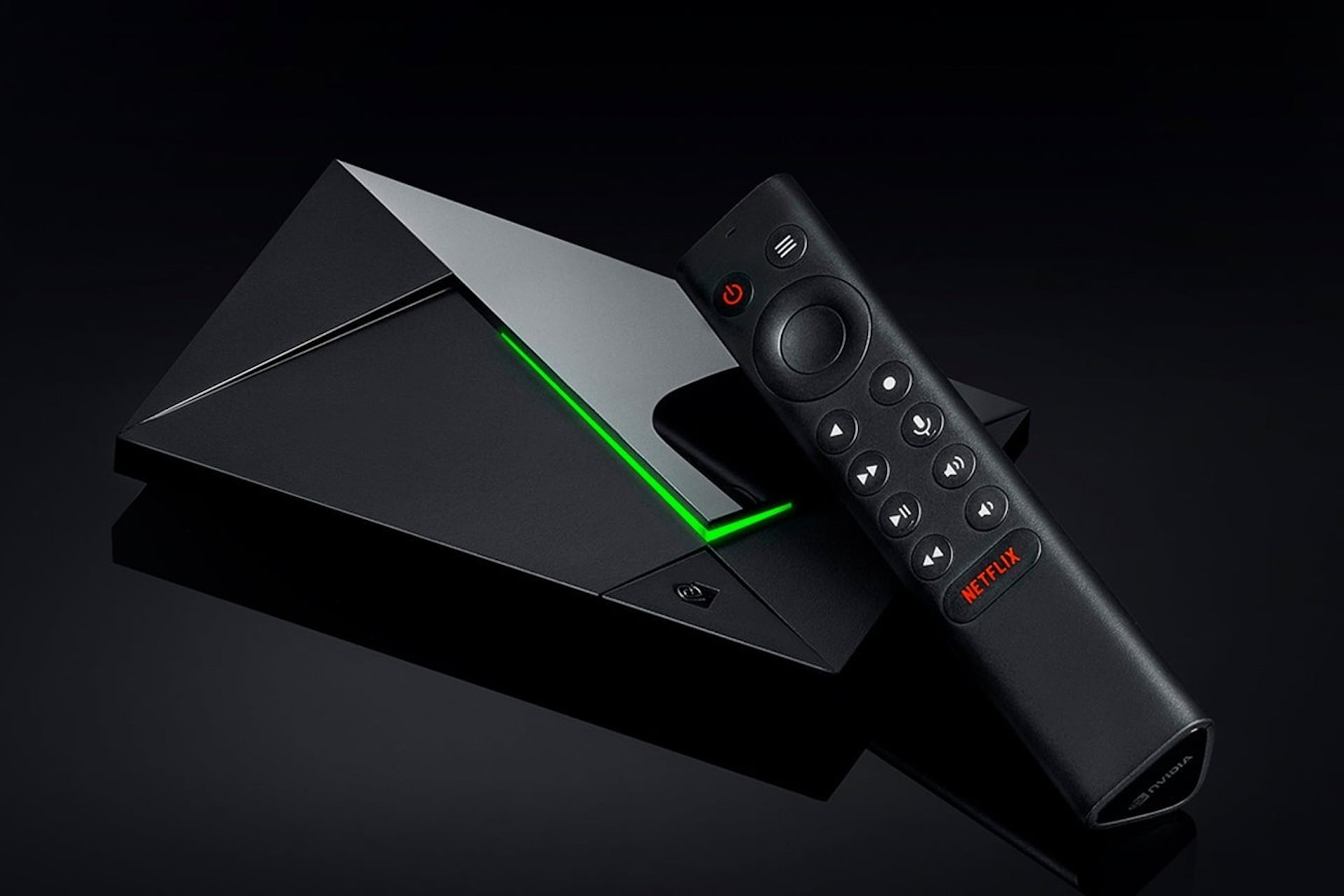
Nvidia announced this week that it will discontinue its Shield TV line, explaining that the device’s generous memory specifications have become a liability rather than a selling point. The company said the hardware no longer aligns with its strategic priorities, prompting the decision to retire the popular Android‑TV set‑top box.
First introduced in 2015, the Shield TV was marketed as a premium streaming and gaming platform, leveraging Nvidia’s Tegra processor to deliver console‑grade performance in a compact box. Over the years, the product evolved through several revisions, adding more RAM and larger internal storage to accommodate increasingly demanding games and 4K streaming services.
According to Nvidia, the incremental memory upgrades have outpaced the price sensitivity of the consumer market. The added RAM and flash storage drive up component costs without delivering proportionate value, especially as competitors offer similar streaming capabilities at lower price points. In Nvidia’s view, the memory “bloat” makes the Shield TV less competitive and harder to justify within its current product portfolio.
The move is widely interpreted as a symptom of Nvidia’s broader pivot away from its traditional gaming roots. While the company built its reputation on graphics cards for PC gamers, recent years have seen a decisive turn toward artificial‑intelligence accelerators, data‑center GPUs, and automotive chips. The Shield TV, once a flagship of Nvidia’s consumer‑facing gaming ambitions, now appears out of step with that trajectory.
Fans and industry observers expressed disappointment, noting that the Shield TV had cultivated a loyal niche of gamers who prized its low‑latency streaming and ability to run native Android games. The discontinuation raises questions about Nvidia’s commitment to the broader Android TV ecosystem and could leave a gap for users seeking a high‑performance, Linux‑based media player.
Looking ahead, Nvidia is likely to double down on its cloud‑gaming service, GeForce Now, and on software integrations that leverage its AI hardware. Analysts predict that future consumer offerings may focus on streaming rather than standalone hardware, allowing Nvidia to capitalize on its strengths without the manufacturing overhead of set‑top boxes. The Shield TV’s exit thus marks the end of an era and underscores the company’s reorientation toward the next generation of computing workloads.



Comments (0)
Be the first to comment.
Join the discussion