Norway commissions autonomous counter‑drone system to protect F‑35 air bases
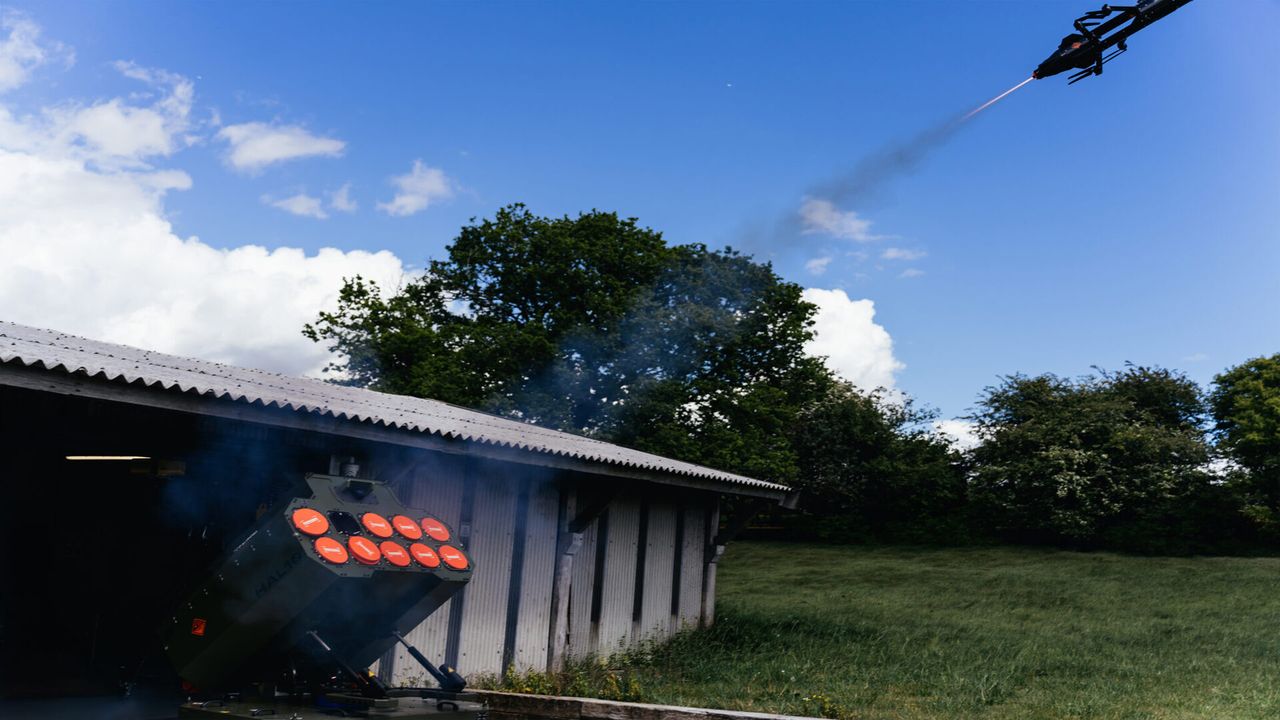
Norway has put into service its first purpose‑built autonomous counter‑unmanned‑air‑system (C‑UAS) at an air base that houses the nation’s newest F‑35 fighter jets, marking a significant step in safeguarding critical air‑defence infrastructure against emerging drone threats.
The newly deployed system is capable of scanning the surrounding airspace, distinguishing legitimate aircraft from small, potentially hostile drones, and engaging those threats without human intervention. Its rapid response cycle is designed to counter the growing use of inexpensive, low‑observable drones that can be employed for reconnaissance or attack in contested environments.
At the heart of the installation is the HAL10 launcher, a modular platform that can field up to ten effectors—devices that deliver electronic or kinetic disruption to neutralize identified drones. The launcher’s design emphasizes quick deployment and flexibility, allowing operators to adapt the system to varying threat scenarios and terrain.
Norwegian defence officials highlighted that the addition of the C‑UAS capability complements the broader modernization of the country’s air‑defence network, which recently incorporated the fifth‑generation F‑35 fleet. By integrating autonomous drone‑defence tools, Norway aims to close a capability gap that traditional radar and missile systems may struggle to address against small, low‑altitude UAVs.
Experts note that the move reflects a wider trend among NATO members, who are increasingly prioritizing counter‑drone technologies as part of their security strategies. The proliferation of commercially available drones, coupled with their potential for malicious use, has prompted many allied nations to invest in both detection and mitigation solutions.
While the system is now operational, authorities plan to evaluate its performance through a series of exercises and consider expanding similar deployments to other strategic sites. Ongoing assessments will focus on detection range, response time, and the effectiveness of the effectors under different weather and electronic‑interference conditions.
As the Arctic region gains strategic attention and the airspace around Norway becomes more contested, the autonomous C‑UAS installation represents a proactive measure to ensure that the nation’s high‑value assets, including the cutting‑edge F‑35 aircraft, remain protected against an evolving spectrum of aerial threats.



Comments (0)
Be the first to comment.
Join the discussion