Philips Hue Introduces Camera‑Based Screen Sync, Eliminating HDMI for TV Light Shows
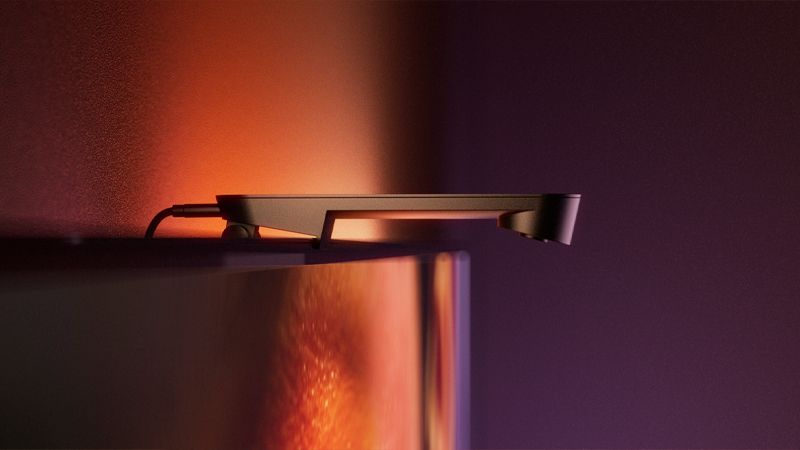
Philips Hue announced a major upgrade to its smart‑lighting ecosystem on Tuesday in Berlin, unveiling a camera‑driven system that can synchronize lights with any content displayed on a television, regardless of the source.
The new feature, dubbed Hue Play Screen Sync, replaces the earlier requirement for a physical HDMI connection between the TV and Hue Bridge. By mounting a small camera in front of the screen, the system captures color and brightness data in real time and translates it into dynamic lighting cues for compatible Hue bulbs and light strips.
Signify, the parent company behind the Hue brand, demonstrated the technology at a product showcase, projecting a popular streaming series and a video game onto a large screen. As the on‑screen colors shifted, the surrounding room lights transitioned in sync, creating an immersive environment without any cables linking the TV to the lighting hub.
The move addresses a common limitation faced by Hue users: the need to route content through an HDMI‑enabled device such as a streaming stick or gaming console. With the camera‑based approach, any native app built into the television – from Netflix and Disney+ to YouTube – can now trigger the light show, expanding the range of entertainment scenarios the system supports.
Industry analysts note that the upgrade aligns Hue with competing ambient lighting solutions that have already adopted camera or audio‑analysis methods. However, Hue’s extensive ecosystem of bulbs, fixtures, and the Hue Play line of accessories gives it a broader install base, potentially accelerating adoption of the new sync capability.
While the hardware requirements remain modest – a small camera module that can be positioned on a TV stand or attached to the bezel – Signify emphasized that the software will receive regular updates to improve color accuracy and reduce latency. The company has not disclosed a launch date or pricing, but indicated that the feature will roll out to existing Hue devices via a firmware update later this year.
Consumers and developers alike are watching to see how the open API for Screen Sync will be leveraged. If third‑party apps can tap into the sync engine, the platform could evolve beyond simple ambience into more interactive experiences, such as gaming cues or synchronized home‑theater setups.
Overall, the camera‑based Screen Sync represents a significant step toward making smart lighting more seamless and universally compatible, removing a technical barrier that has limited its use in everyday TV viewing.


Comments (0)
Be the first to comment.
Join the discussion