New Study Suggests a Female Ruler Held the Title of Pharaoh in Egypt’s First Dynasty
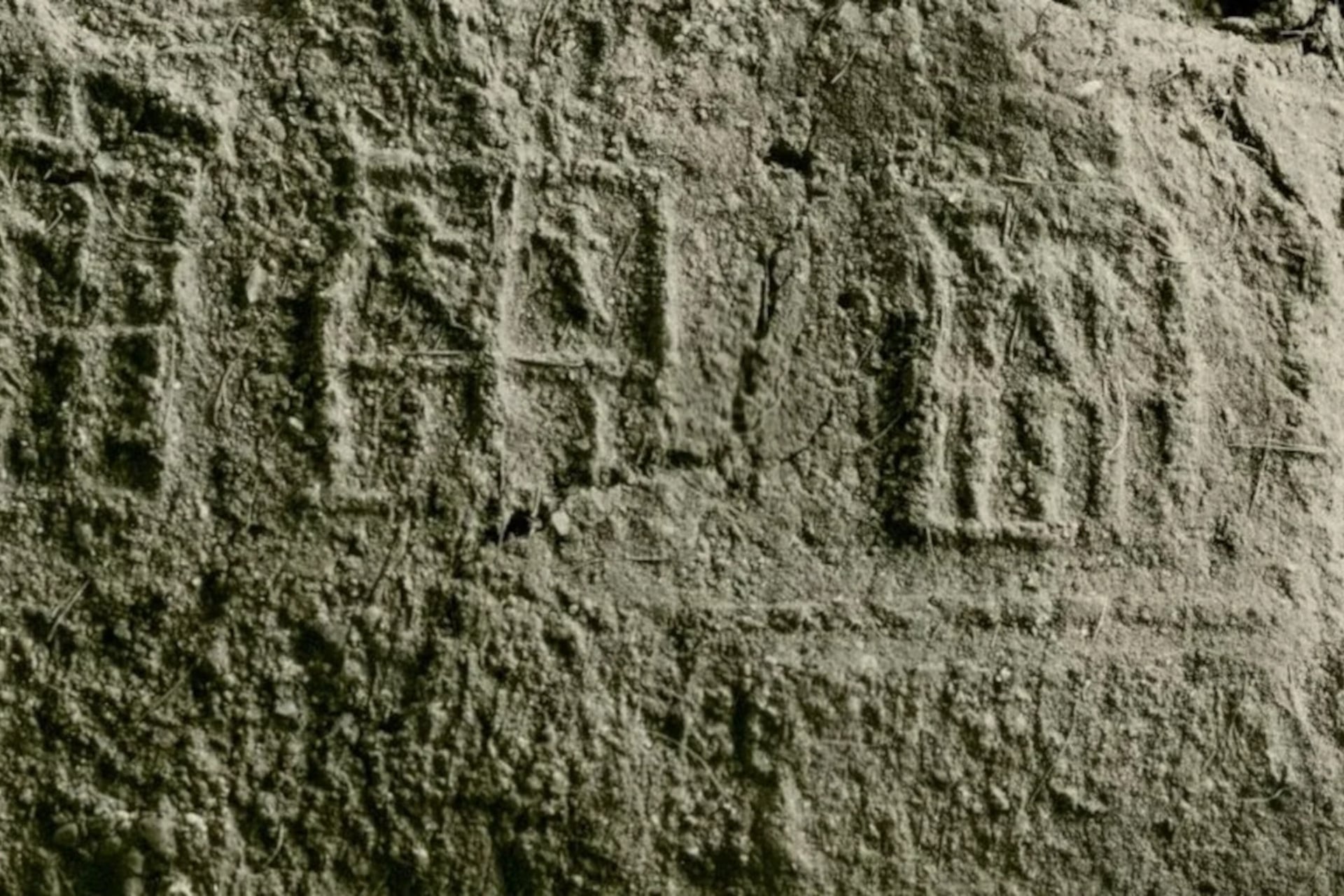
Recent research has reignited a long‑standing scholarly debate by proposing that a woman may have ruled ancient Egypt as a king during the First Dynasty, roughly five millennia ago. The claim rests on a re‑examination of a century‑old, low‑resolution photograph of an inscription that some Egyptologists interpret as bearing a royal name traditionally associated with a female monarch.
The original image, taken in the early 20th century during an expedition to a burial site near Abydos, has been described as “blurry” and “hard to read.” Using modern digital enhancement techniques, a team of researchers claims to have clarified key hieroglyphic signs that indicate a royal titulary normally reserved for kings, yet paired with a feminine epithet. The study, appearing in a peer‑reviewed archaeology journal, argues that the inscription represents a ruler who adopted the full pharaonic titulary while being a woman.
Supporters of the hypothesis point to precedents such as Meritneith, a high‑ranking official of the First Dynasty whose tomb suggests she may have exercised kingly authority, and later queens like Hatshepsut, who famously adopted the male title and regalia. The new analysis adds weight to the idea that female rulership was not confined to the later periods traditionally highlighted in textbooks.
Critics, however, caution that the photographic evidence remains inconclusive. Several Egyptologists note that the enhanced image may be subject to interpretive bias, and that without corroborating artifacts—such as seal impressions, pottery, or a contemporaneous inscription—the case for a female king remains speculative. They also stress that the First Dynasty’s historical record is sparse, with most kings known only from a handful of stone vessels and the Narmer Palette.
The debate touches on broader questions about gender and power in early Egyptian society. If a woman did indeed adopt the full titulary of a pharaoh at such an early stage, it would suggest that the mechanisms for legitimizing rule were more flexible than previously thought. It could also reshape timelines of political development, indicating that the centralization of authority under a singular, male monarch was not yet fully entrenched.
Future research may hinge on new archaeological discoveries or the application of advanced imaging to other poorly preserved artifacts from the era. Scholars anticipate that ongoing excavations at sites like Abydos and Saqqara could uncover additional inscriptions or burial goods that either support or refute the claim.
For now, the study has sparked renewed interest in the First Dynasty’s opaque history, prompting museums, universities, and independent researchers to revisit archival photographs and re‑evaluate long‑standing assumptions about the gender dynamics of Egypt’s earliest rulers.


Comments (0)
Be the first to comment.
Join the discussion