New Study Finds Decline in Nutrient Levels of Farmed Salmon Amid Rising Global Demand
Recent scientific analysis suggests that the nutritional quality of farmed salmon has slipped compared to earlier generations, prompting a reevaluation of the long‑standing recommendation to increase consumption of fatty fish for health benefits.
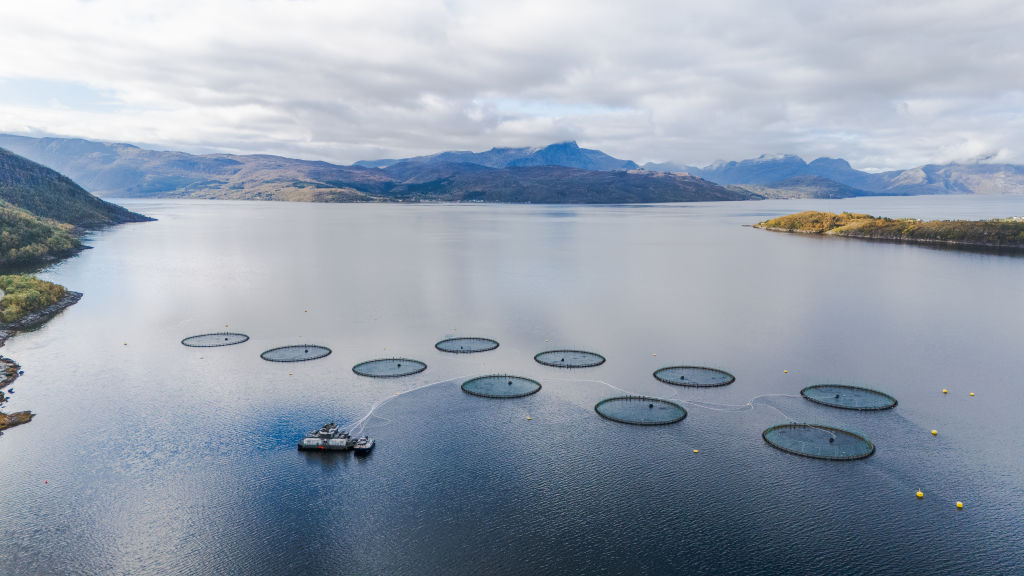
Guidelines encouraging the intake of omega‑3‑rich fish have driven a surge in global salmon demand, with production systems shifting heavily toward aquaculture. Today, farmed salmon accounts for roughly 70 percent of the salmon eaten worldwide, making up the bulk of the market that once relied on wild catches.
The study, conducted by a team of marine nutrition experts, compared the composition of salmon harvested in recent years with samples collected a decade earlier and with wild counterparts. Findings indicate measurable reductions in key nutrients such as EPA and DHA omega‑3 fatty acids, vitamin D, and certain high‑quality proteins, while overall caloric content remained stable.
Researchers attribute the shift largely to changes in feed formulation. Modern salmon farms increasingly substitute traditional fish‑oil‑based feeds with plant‑derived oils from soy, corn, and rapeseed to lower costs and reduce pressure on wild forage fish. These alternatives contain lower concentrations of long‑chain omega‑3s, which translates directly into the flesh of the fish. At the same time, selective breeding for rapid growth may alter the way salmon metabolize and store lipids, further influencing nutrient profiles.
While the reduced levels do not render farmed salmon unhealthy, the data suggest consumers may not receive the same omega‑3 dose per serving that earlier studies documented. Nutritionists advise pairing salmon with other omega‑3 sources, such as sardines, mackerel, or algae‑based supplements, and monitoring portion sizes to meet recommended intakes.
The industry is already exploring corrective measures, including the reintroduction of marine‑derived oils, the use of algae‑derived DHA/EPA, and more transparent labeling of nutrient content. Regulatory agencies may also consider updating labeling requirements to reflect these compositional changes. Ongoing research will be crucial to determine whether feed innovations can restore the historic nutrient density of farmed salmon while sustaining the scale of production demanded by global markets.



Comments (0)
Be the first to comment.
Join the discussion