Humanoid Factory Robot Pauses, Appears to Shrink Back When Workers Approach
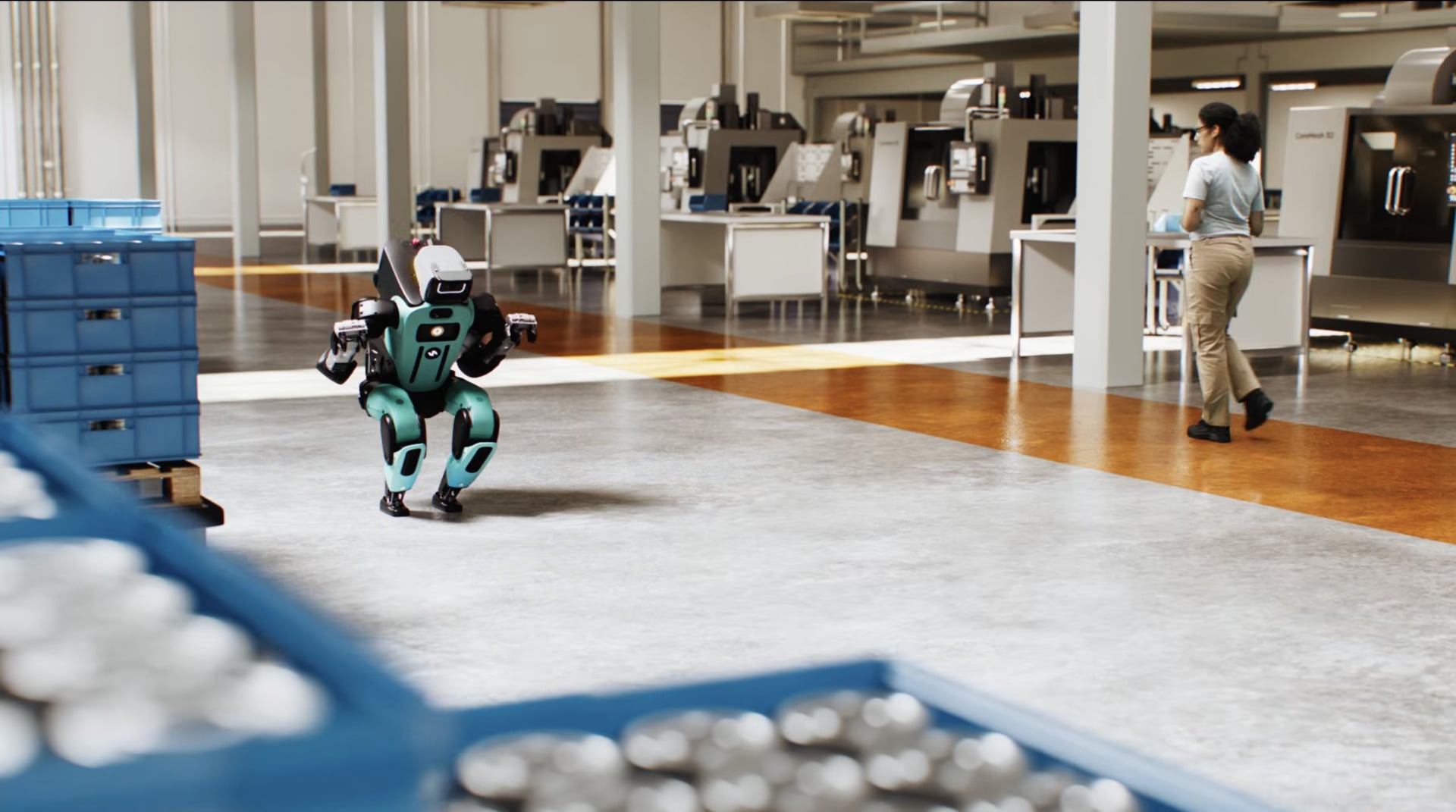
A prototype humanoid robot designed for assembly‑line tasks has sparked discussion after a public demo showed it visibly hesitating and pulling back whenever a person stepped near it. The incident, captured during a showcase organized by the robot's manufacturer, has been highlighted in a recent Gizmodo report.
The machine, built to perform repetitive manual labor, is equipped with an array of proximity sensors and AI‑driven safety algorithms intended to prevent accidental collisions. During the demonstration, however, the robot’s movements changed dramatically as a technician approached, with the robot lowering its torso and retreating a short distance before resuming its programmed routine.
Engineers from the development team explained that the behavior is a byproduct of the system’s “human‑aware” safety mode, which prioritizes a wide safety margin around people. Rather than simply stopping, the robot interprets close contact as a cue to increase its buffer zone, resulting in a motion that observers described as “cowering.” The team said the response is intentional, aiming to reduce the risk of injury in shared workspaces.
Industry observers note that the episode underscores the challenges of integrating autonomous machines into environments where humans are present. While many factories already use collaborative robots—cobots—that are programmed to stop when touched, a full‑body humanoid that adjusts its posture adds a new layer of complexity. Safety standards such as ISO 10218 and ISO/TS 15066 require robots to detect and react to human presence, but the exact nature of that reaction is still being refined.
Critics argue that the robot’s exaggerated retreat could hamper efficiency, especially in fast‑paced production lines where close collaboration is essential. Proponents counter that any hesitation is preferable to a collision, and that future software updates can fine‑tune the response to balance safety with productivity.
The episode arrives at a time when manufacturers are racing to deploy humanoid platforms for tasks ranging from packaging to quality inspection. As companies seek to replace repetitive manual labor, the ability of robots to coexist safely with human workers will likely influence adoption rates and regulatory scrutiny.
Looking ahead, the developer plans to collect more data from real‑world deployments to calibrate the robot’s human‑interaction model. Adjustments may include dynamic safety zones that shrink as the robot learns typical worker patterns, or multimodal cues—such as visual signals—to communicate intent. The ongoing dialogue between robotics firms, standards bodies, and labor groups will shape how quickly such machines become a routine part of the modern factory floor.


Comments (0)
Be the first to comment.
Join the discussion