NASA and NOAA Report Record-Breaking Ozone Hole, Size Comparable to Three United States
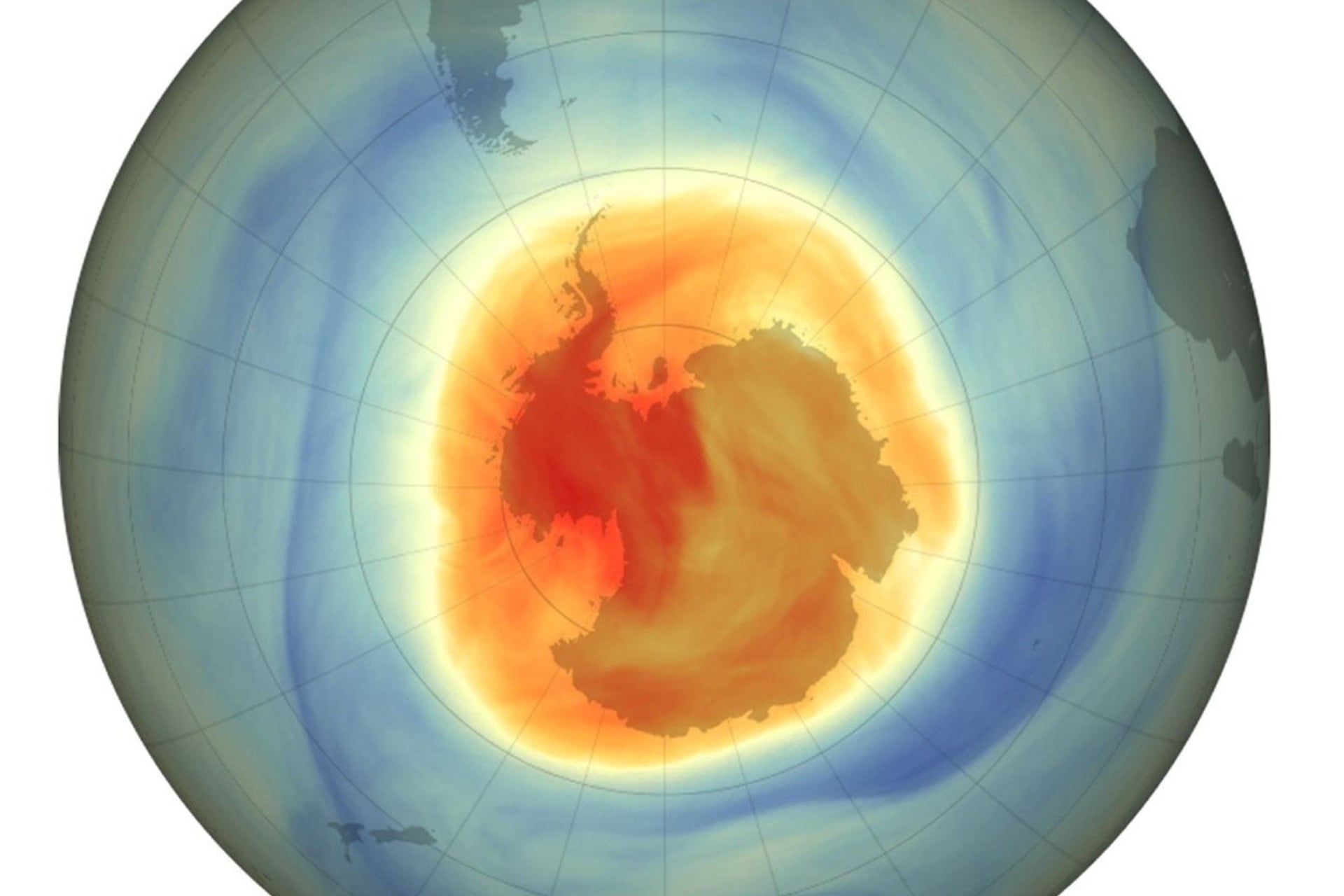
Scientists from NASA and the National Oceanic and Atmospheric Administration announced this week that the Antarctic ozone hole has expanded to its largest measured extent in a decade, now covering an area roughly three times the size of the United States.
Satellite instruments tracking ultraviolet-absorbing gases recorded the swelling in early September, when the hole typically reaches its peak. The new measurement places the depleted region at approximately 30 million square kilometers, far exceeding the 9.8‑million‑square‑kilometer area of the contiguous United States.
The phenomenon is not new; the ozone hole was first documented in the mid‑1980s and reached its deepest depletion in the early 2000s. International action through the 1987 Montreal Protocol, which phased out chlorofluorocarbons (CFCs) and related chemicals, has been credited with slowing the overall decline of stratospheric ozone.
What surprised researchers this year, however, was the apparent role of shifting atmospheric dynamics rather than a resurgence of CFC emissions. Preliminary analysis suggests that an unusually warm stratosphere and a weakened polar vortex allowed ozone‑depleting chemicals to linger longer over the Antarctic, intensifying the hole despite continued compliance with the protocol.
The enlarged hole translates into higher levels of ultraviolet‑B radiation reaching the surface, raising concerns for skin cancer rates, cataract incidence, and damage to marine phytoplankton that form the base of the Southern Ocean food web.
Experts note that the interaction between climate change and ozone chemistry adds complexity to forecasting future hole size. Warmer temperatures in the lower stratosphere can both accelerate ozone loss and alter circulation patterns that normally confine the depletion to the polar region.
Monitoring efforts are being intensified, with both agencies planning more frequent satellite passes and coordinated ground‑based observations. The data will feed into updated atmospheric models to assess whether the current expansion is an outlier or a sign of a new baseline.
While the Montreal Protocol remains a cornerstone of ozone recovery, scientists stress that vigilance is essential. Continued adherence to existing agreements, coupled with broader climate mitigation, will be key to preventing further setbacks in the gradual healing of the ozone layer.


Comments (0)
Be the first to comment.
Join the discussion