The Double-Edged Sword of Wearable Tech: Health Benefits Clash with Rising Anxiety
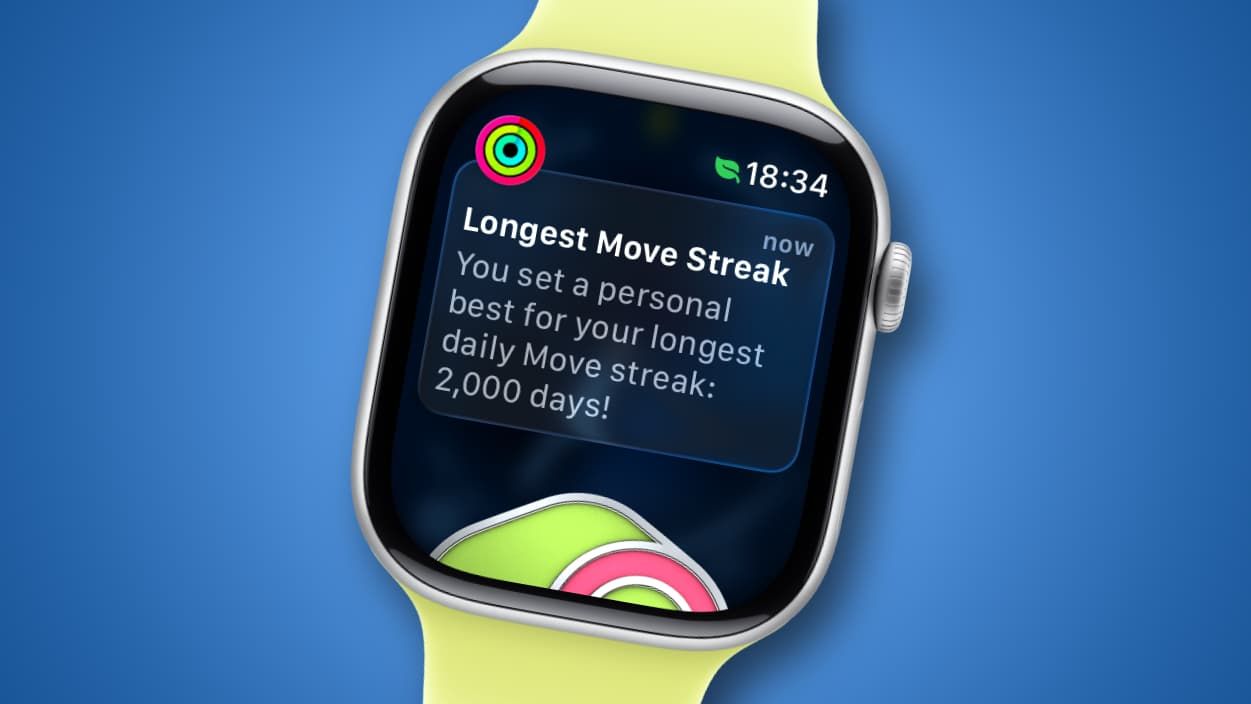
In an era where personal data is meticulously tracked and analyzed, millions of individuals have embraced wearable smart devices, strapping them to wrists, fingers, and arms. These gadgets promise a comprehensive picture of the "quantified self," aiming to foster healthier lifestyles, boost physical activity, and even prepare users for medical emergencies. Yet, despite their clear potential to enhance wellbeing, a growing concern suggests these very tools might be inadvertently contributing to anxiety and obsessive behaviors among their users.
Originally highlighted by TechRadar, the widespread adoption of these personal metrics trackers has brought both revolutionary convenience and unforeseen psychological challenges. Designed to continuously monitor various physiological data points, from heart rate to sleep patterns and step counts, wearables offer an unprecedented level of insight into one's bodily functions. The premise is straightforward: by understanding more about our daily health metrics, we can make informed choices to improve our overall physical condition.
However, the constant stream of data, while informative, can also become a source of pressure. For some, the pursuit of optimal metrics can transform into an obsession, where every missed step goal or fluctuating heart rate becomes a cause for alarm. This relentless focus on performance can undermine the very peace of mind these devices are intended to foster, leading to a cycle of self-monitoring that verges on neurotic.
The impact of this phenomenon extends beyond mere inconvenience, touching upon mental health and the subtle ways technology reshapes our daily routines. Instead of empowering users to live healthier, the continuous feedback loop can cultivate a sense of inadequacy or a relentless drive for perfection. The joy of a casual walk might be overshadowed by the need to hit a certain number of steps, or a peaceful night's sleep scrutinized for its 'efficiency score' rather than its restorative quality.
It's crucial to acknowledge the undeniable benefits that wearables offer. From alerting users to potentially life-threatening cardiac events to encouraging sedentary individuals to become more active, their utility in preventative health and emergency preparedness is significant. For many, these devices serve as invaluable health companions, providing motivation and crucial data for medical professionals.
The challenge, therefore, lies in striking a balance between leveraging these powerful tools for health improvement and preventing them from becoming a source of undue stress. As the technology continues to evolve and integrate further into our lives, a broader conversation is emerging about how users can engage with their wearables mindfully, ensuring they remain instruments of empowerment rather than catalysts for anxiety.
Ultimately, while wearable technology holds immense promise for personal health management, understanding its full psychological impact is paramount. As we increasingly rely on these smart devices to define our "quantified selves," fostering a healthy relationship with the data they provide will be key to truly improving our overall wellbeing, both physical and mental.


Comments (0)
Be the first to comment.
Join the discussion