Musk warns that scaling from prototype to production line is exponentially tougher
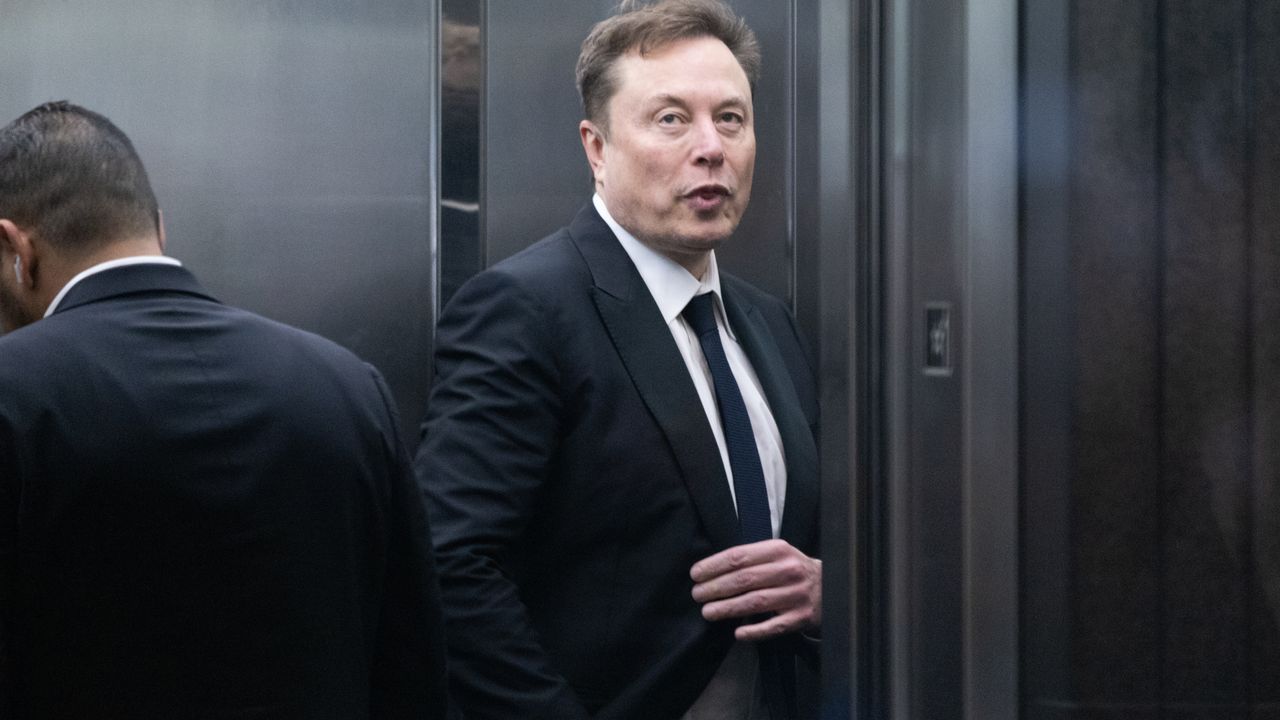
Elon Musk, the chief executive of Tesla and SpaceX, highlighted the gulf between building a prototype and running a full‑scale manufacturing line, noting that the latter is "fundamentally thousands of times harder" than the former. The remark, made during a recent interview, underscores the persistent challenges the companies face when turning visionary designs into mass‑produced products.
While a prototype can showcase a concept in a controlled environment, a manufacturing line must deliver consistent quality, speed, and cost efficiency at volumes that can sustain a business. Engineers must translate a single working unit into a repeatable process, integrating supply chains, automation, quality control, and workforce training—all of which introduce layers of complexity that rarely appear in the lab.
The difficulty is evident in the rollout of Tesla's Cybertruck, a vehicle whose bold angular design sparked both excitement and skepticism. Early production runs encountered bottlenecks related to stamping the unusually shaped body panels and aligning the vehicle's distinctive exoskeleton with existing assembly equipment. These hurdles delayed the promised start‑of‑sale dates and forced Tesla to re‑engineer parts of the line, illustrating Musk's point about the steep learning curve involved in scaling.
SpaceX has grappled with similar scaling issues, albeit in a different arena. Transitioning from the Falcon 1 to the Falcon 9 and later the Starship required not only design refinements but also the construction of new manufacturing facilities, tooling upgrades, and the establishment of rigorous testing protocols. The company's iterative approach—building, testing, and rapidly iterating—has helped it tame some of the manufacturing headwinds, but the process remains resource‑intensive.
Industry observers note that these scaling challenges have broader implications for the electric‑vehicle market and the push toward sustainable transportation. Reliable, high‑volume production is essential to drive down per‑unit costs and make EVs competitive with internal‑combustion models. Delays or cost overruns can ripple through supply chains, affect pricing, and influence investor confidence.
Looking ahead, Musk suggests that overcoming the manufacturing gap will require deeper integration of automation, smarter supply‑chain management, and perhaps a willingness to redesign products with production constraints in mind. As Tesla and SpaceX continue to iterate on their respective lines, the companies' ability to master the transition from prototype to factory floor will likely shape their long‑term market positions and set benchmarks for other high‑tech manufacturers.


Comments (0)
Be the first to comment.
Join the discussion