Mova LiDAX Pro 800 Review Highlights Performance Parity and Safety Gaps
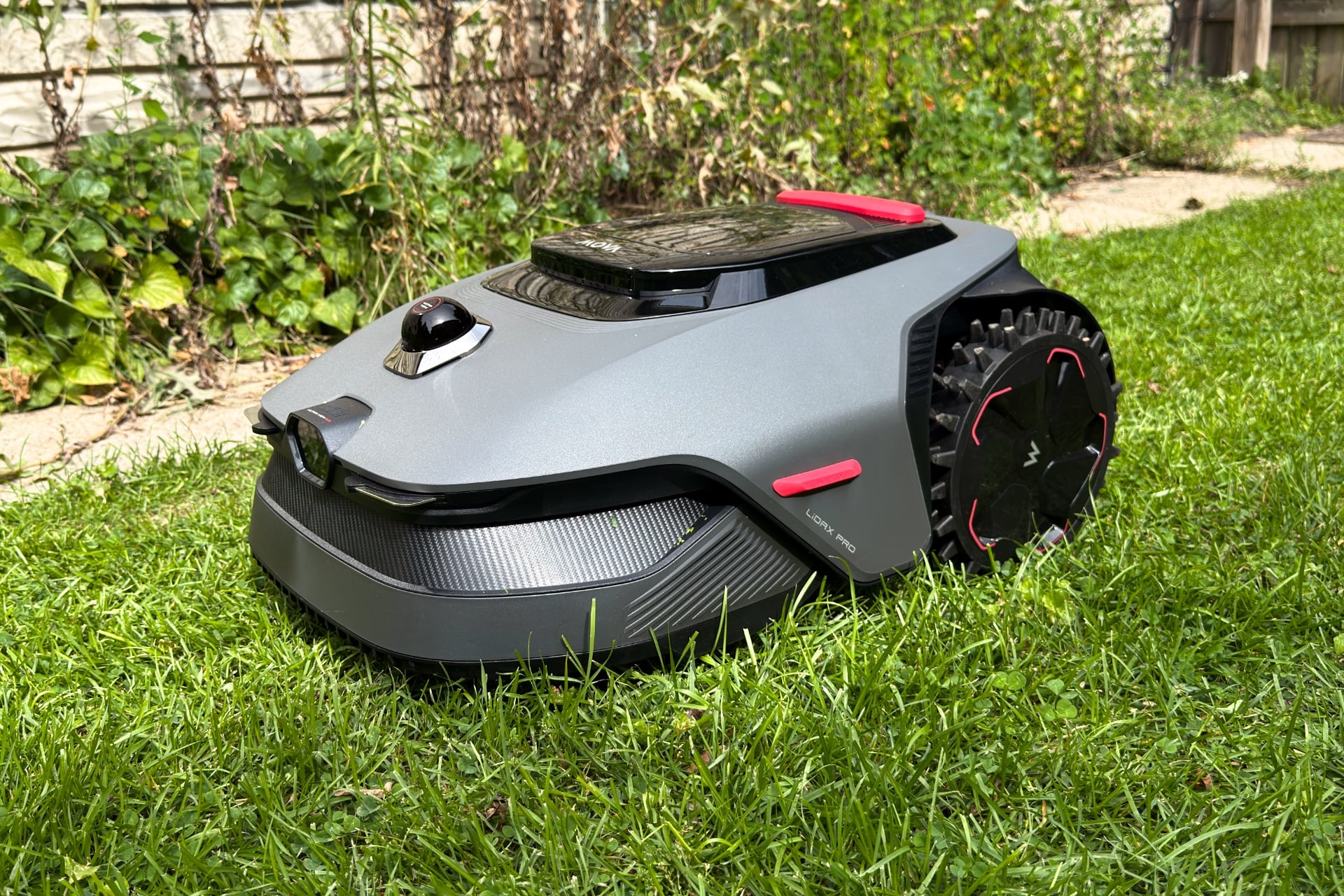
Mova's newest entry, the LiDAX Pro 800, entered the market as a compact robotic mower aimed at homeowners with modest lawn spaces. In a recent hands‑on evaluation, the device proved capable of delivering cut quality and reliability on par with other models in its class, yet its ability to detect and avoid obstacles fell short of expectations, prompting safety concerns.
The LiDAX Pro 800 relies on a LiDAR‑based navigation system that maps the mowing area and steers the cutting deck along a planned path. Its low‑profile chassis, modest 800‑watt motor, and 45‑minute battery runtime make it well suited for yards under 2,000 square feet. The unit operates quietly and can be programmed via a smartphone app, features that align with the convenience promised by most consumer‑grade robomowers.
During the test, the mower consistently produced an even, scissor‑like trim across a variety of grass types, matching the results of more established competitors such as the Husqvarna Automower 315 and the Worx WR140. Battery life held up through several full‑yard cycles, and the charging dock engaged without issue. The app’s scheduling tools were intuitive, allowing users to set mowing windows and adjust blade height with a few taps.
Where the LiDAX Pro 800 stumbled was in its object‑avoidance logic. The LiDAR sensor, while accurate for mapping static boundaries, failed to reliably identify common yard obstacles such as garden gnomes, low‑lying branches, and children's toys. In multiple runs the mower either brushed against or attempted to drive over these items, occasionally stopping abruptly or changing direction erratically. The reviewer noted that this behavior could pose a risk of damage to the mower itself, to property, or, in worst‑case scenarios, to bystanders.
The issue matters because safety standards for autonomous outdoor equipment are tightening, and consumers increasingly expect their devices to navigate cluttered environments without supervision. Competing models often incorporate ultrasonic or infrared bump sensors that supplement visual mapping, providing a layered defense against unexpected objects. Mova’s reliance on a single sensor type may limit the LiDAX Pro 800’s suitability for households where pets, toys, or garden décor are common.
Potential buyers are advised to assess their yard’s layout before committing to the LiDAX Pro 800 and to consider supplemental safety measures, such as clearing the mowing zone of loose items or using physical barriers. Mova has not yet announced firmware updates to address the detection shortfall, but the company’s history of post‑launch software improvements suggests a fix could be forthcoming. Until then, the mower offers solid cutting performance for small lawns, but its obstacle‑avoidance limitations remain a notable drawback for safety‑conscious consumers.



Comments (0)
Be the first to comment.
Join the discussion