Mountain Lions' Return Triggers Ecological Transformation in California Preserve
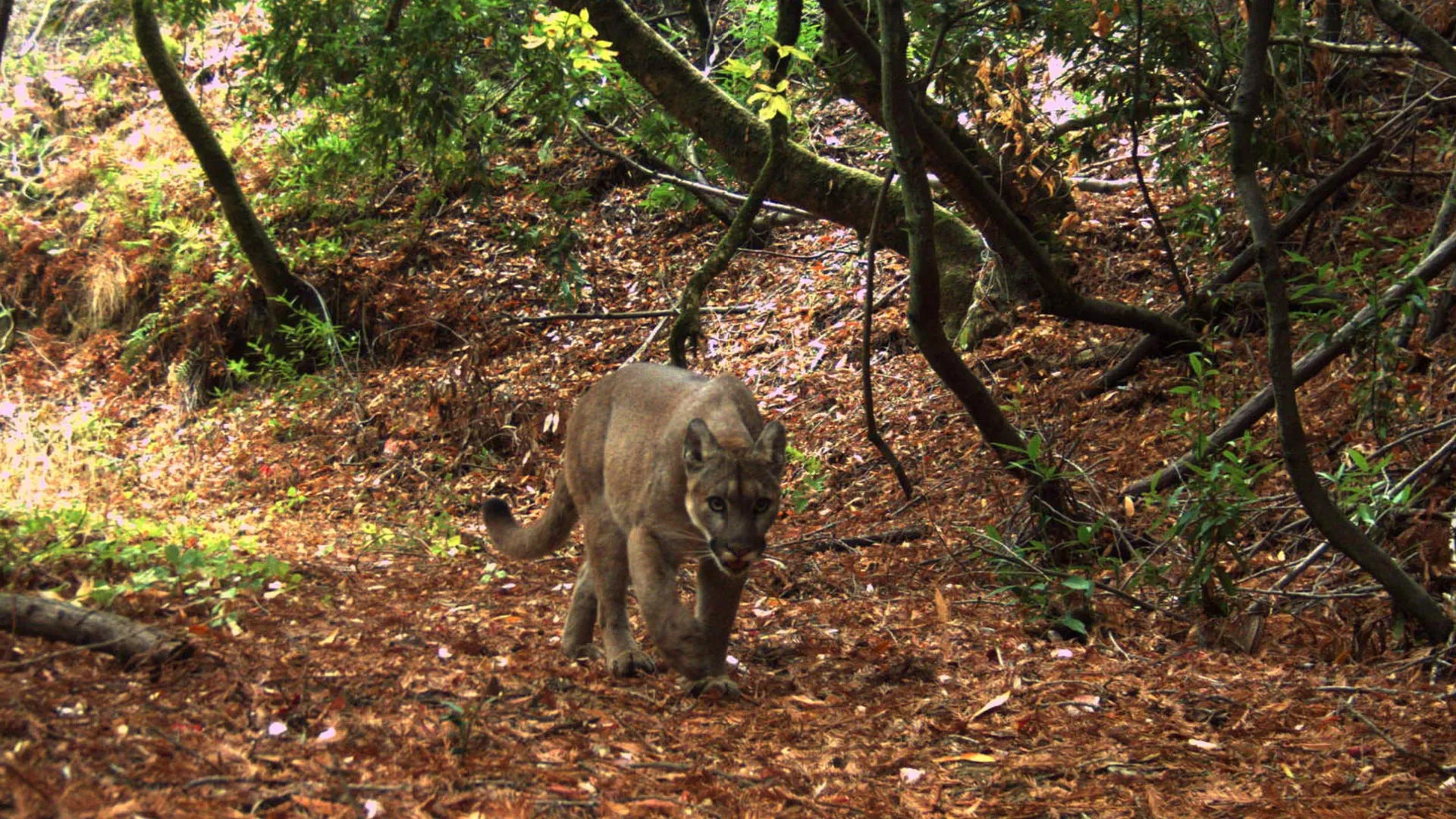
The re-establishment of mountain lions in a compact nature preserve situated south of San Francisco has led to a profound and unexpected ecological transformation, according to recent observations. Their increased presence initiated a cascade of environmental changes, significantly altering the local ecosystem's dynamics from top predators down to plant life.
Researchers noted that the most immediate and impactful shift occurred in the behavior and activity levels of deer. With mountain lions more frequently traversing the preserve, deer activity notably decreased. This reduction in the pressure exerted by herbivores set off a chain reaction throughout the habitat.
One of the most striking consequences of diminished deer presence was the remarkable recovery of local plant communities. Areas that may have previously been overgrazed began to flourish, demonstrating the critical role that apex predators can play in maintaining botanical diversity and health within an ecosystem.
Beyond the direct impact on deer and flora, the return of mountain lions also prompted shifts among other predatory species within the preserve. Observations indicated changes in the populations or behaviors of mesopredators such as coyotes, bobcats, and foxes, suggesting a complex rebalancing of the predator hierarchy.
This phenomenon, often referred to as a 'trophic cascade,' illustrates how alterations at the highest levels of the food chain can reverberate through an entire ecosystem. Even in a relatively small and potentially isolated preserve, the presence of a top predator like the mountain lion proved capable of initiating widespread environmental adjustments.
The findings underscore the significant ecological influence apex predators wield, even in environments that might be considered too confined for such large carnivores. It challenges conventional understandings of how top predators interact with and shape smaller, fragmented habitats, highlighting their crucial role in maintaining ecosystem health and resilience.
Such insights are vital for conservation efforts, suggesting that protecting and facilitating the movement of apex predators, even into smaller natural areas, could be a powerful tool for ecological restoration. Understanding these intricate relationships can inform future land management strategies aimed at fostering more robust and naturally balanced ecosystems.
For more articles like this, visit Independent Publication.


Comments (0)
Be the first to comment.
Join the discussion