Mini PCs and Laptops Battle for Home‑Office Supremacy
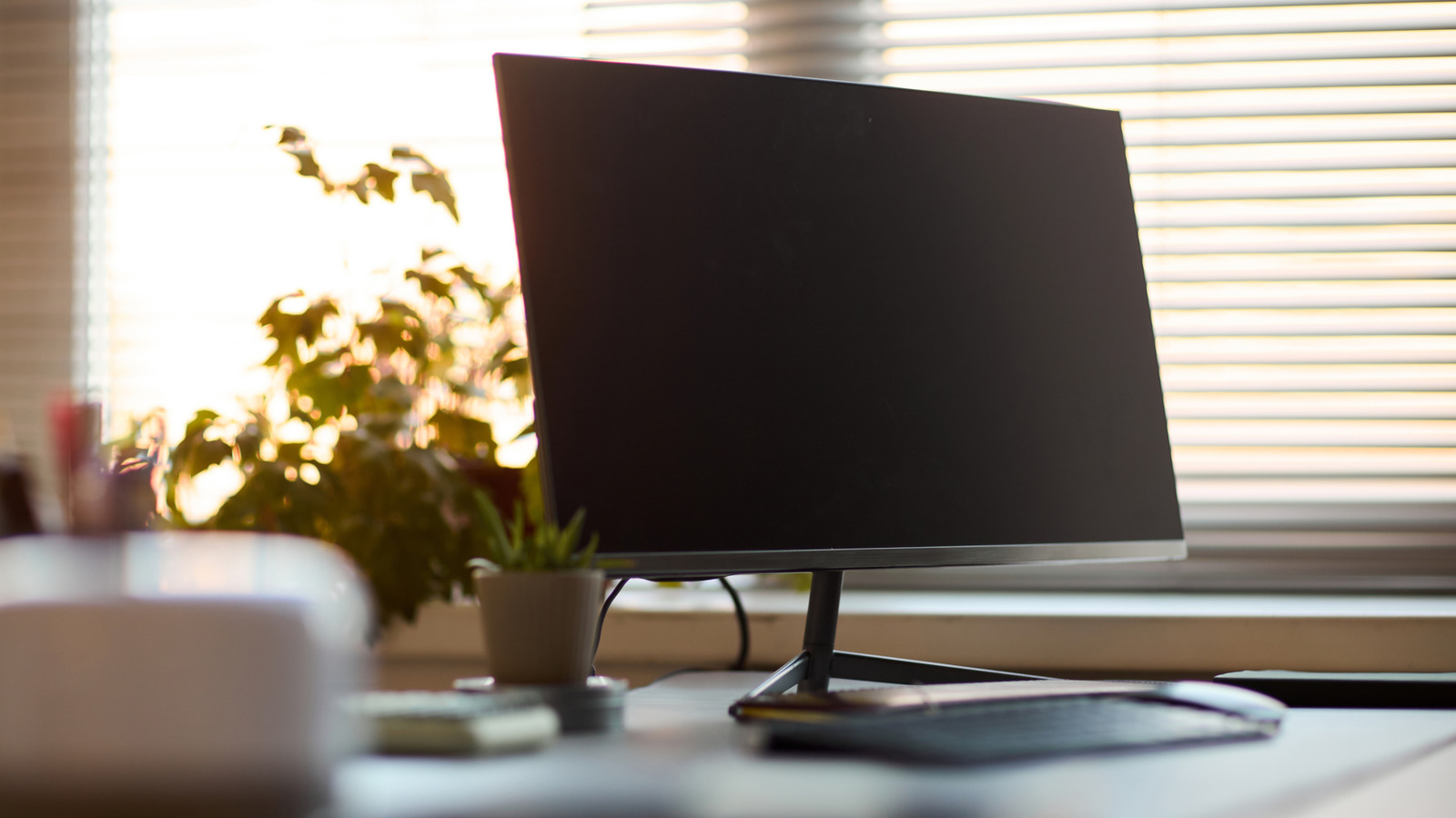
As remote work remains a fixture of the modern workplace, professionals are weighing two compact computing options: the ultra‑small desktop known as a mini PC and the traditional laptop. Each device brings a distinct blend of convenience, performance and mobility, leaving no single clear winner for the home office environment.
Mini PCs appeal primarily because of their diminutive footprint. A typical model can sit on a shelf or mount behind a monitor, freeing desk space that a bulkier tower would consume. They often sport the same processors and memory configurations found in larger desktops, allowing users to run productivity suites, video‑conferencing tools and even light media‑editing tasks without sacrificing speed. Their modular design also makes upgrades—such as swapping out SSDs or adding more RAM—relatively straightforward compared with most laptops.
Conversely, laptops bundle display, keyboard, trackpad and battery into a single portable package. For workers who shift between a home office, a coffee shop or a client site, the ability to pick up the computer and continue where they left off is a decisive advantage. Built‑in batteries protect against power outages, and modern ultrabooks can deliver performance comparable to many mini PCs while weighing under three pounds.
The choice often hinges on how a user prioritizes space versus mobility. A home‑based writer or accountant who spends the entire day at a single desk may value the extra screen real estate and ergonomic flexibility that a separate monitor, keyboard and mini PC provide. In contrast, a sales professional who travels frequently or a consultant who meets clients in varied locations will likely favor the laptop’s all‑in‑one convenience.
Cost considerations also play a role. Entry‑level mini PCs can be priced lower than comparable laptops, but the need to purchase external peripherals—monitor, keyboard, mouse—can raise the total expense. Laptops, while sometimes more expensive upfront, include those components and a battery, potentially delivering better value for users who need a ready‑to‑use system out of the box.
Industry analysts note that neither platform is poised to dominate the home‑office market outright. Instead, manufacturers are blurring the lines by offering detachable keyboards for tablets, 2‑in‑1 convertibles and mini PCs with integrated graphics that rival mid‑range laptops. This convergence suggests that future buying decisions will focus less on device category and more on specific workflow requirements.
For now, the verdict remains personal. Professionals should assess their daily routines, desk layout and mobility needs before committing to either a mini PC or a laptop. As remote work continues to evolve, the flexibility to switch between the two—or even adopt both—may become the most pragmatic solution for a productive home office.


Comments (0)
Be the first to comment.
Join the discussion