Mini DisplayPort Faces Decline as USB‑C and Thunderbolt Take Center Stage
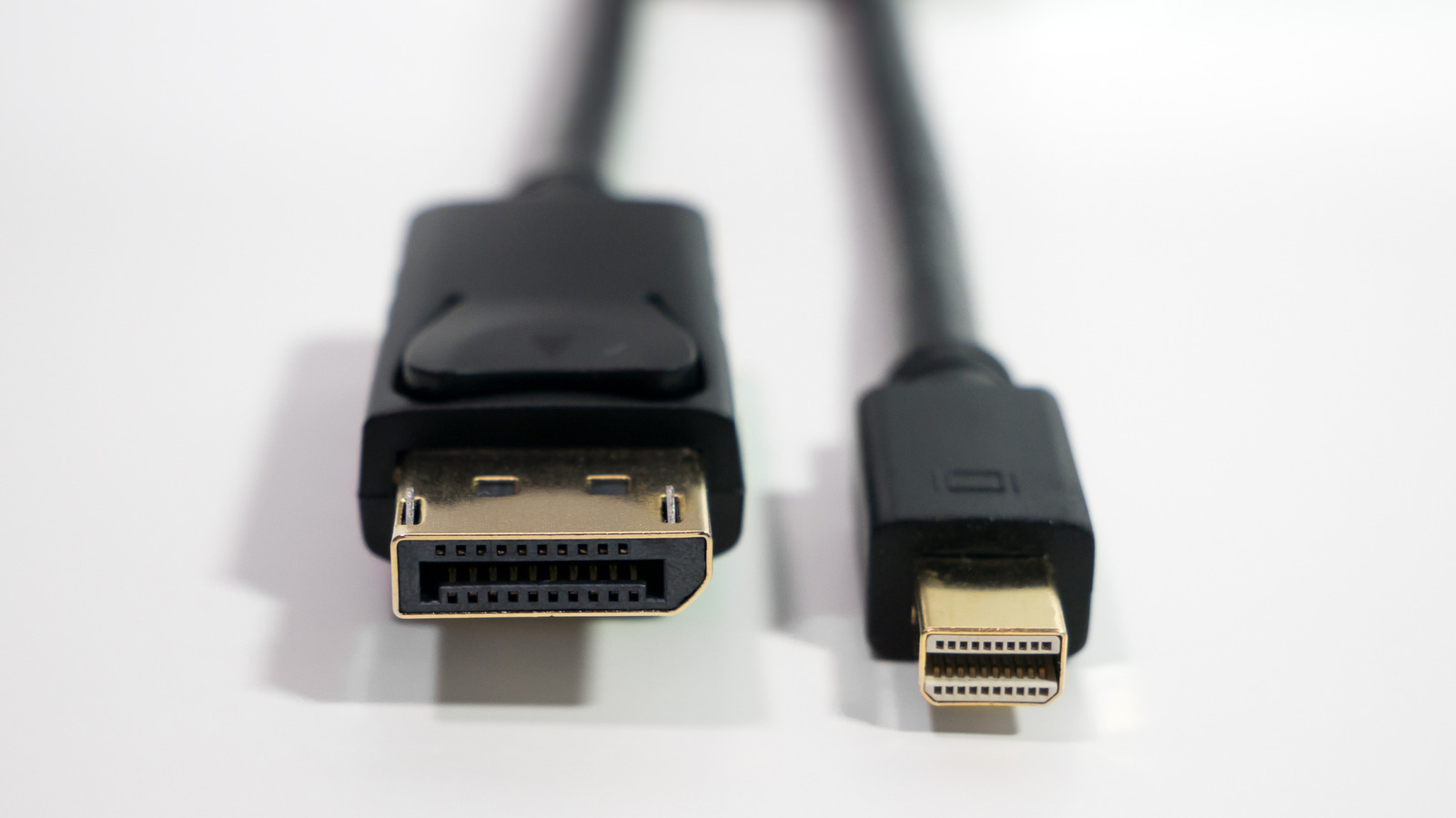
Mini DisplayPort, once a staple on a wide range of laptops and desktops, is rapidly disappearing from new hardware as manufacturers gravitate toward newer connectivity standards that promise higher bandwidth and greater versatility.
Introduced by Apple in 2008 as a compact alternative to the full‑size DisplayPort, the miniaturized port quickly gained traction across the industry. Its small form factor made it ideal for ultrathin notebooks, and it supported high‑resolution video and audio streams, allowing users to connect external monitors, projectors, and HDTVs with a single cable.
In the years that followed, the port became a common sight on devices from major PC makers, often paired with HDMI and traditional USB‑A connectors. However, the rise of USB‑C and the integration of Thunderbolt technology have eroded Mini DisplayPort's relevance. USB‑C delivers not only video and audio but also power delivery and data transfer over a single reversible connector, simplifying cable management for consumers and reducing manufacturing complexity for OEMs.
Thunderbolt, which Apple co‑developed with Intel, builds on the USB‑C physical interface while offering substantially higher data rates—up to 40 Gbps in its latest iteration. Because Thunderbolt ports can natively support DisplayPort signaling, many newer laptops simply label the port as USB‑C/Thunderbolt, effectively subsuming Mini DisplayPort’s functionality without the need for a separate connector.
For users still operating devices that rely on Mini DisplayPort, the transition poses a practical challenge. Existing peripherals remain usable, but acquiring new accessories often requires adapters or dongles that convert USB‑C or HDMI signals back to Mini DisplayPort. While such adapters are readily available, they add cost and potential points of failure, nudging consumers toward fully compatible hardware.
The shift reflects broader trends in the computing ecosystem, where standardization around a single, multifunctional port is seen as a way to streamline design and improve user experience. Industry analysts note that the consolidation around USB‑C aligns with regulatory pushes in some regions to reduce electronic waste by limiting the number of proprietary connectors.
Looking ahead, the likelihood of Mini DisplayPort reappearing in mainstream devices appears low. Unless a specific niche market—such as legacy professional audio‑visual equipment—maintains sufficient demand, manufacturers are expected to continue phasing the port out in favor of the more capable USB‑C/Thunderbolt solutions. Existing devices will remain supported for the foreseeable future, but new product lines are set to leave Mini DisplayPort behind.


Comments (0)
Be the first to comment.
Join the discussion