Googlebooks Launch Raises Questions About Chromebook Viability
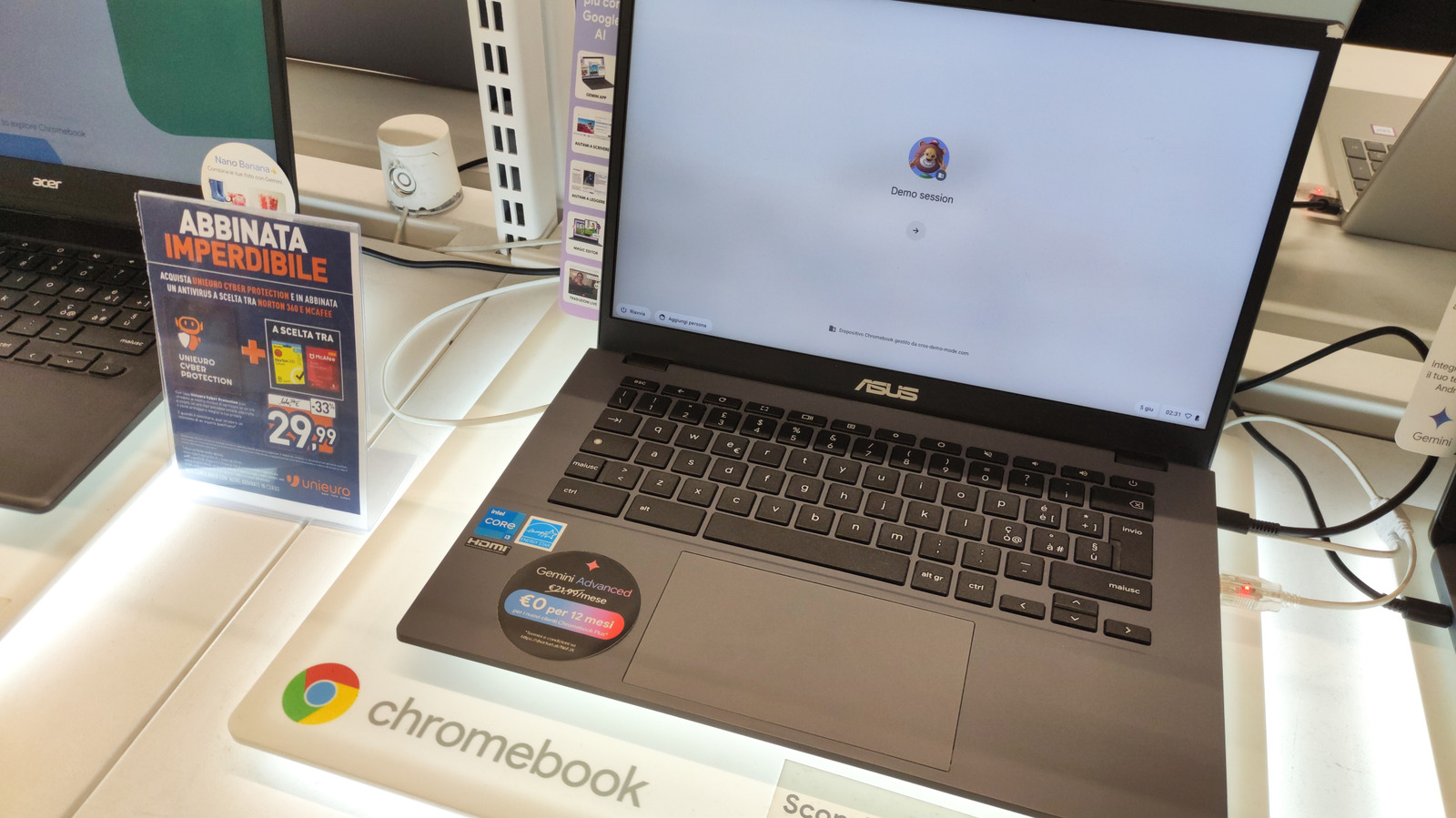
The recent introduction of Googlebooks, a cloud‑centric device suite that promises faster performance and deeper AI integration, has sparked a fresh debate over whether the long‑standing Chromebook still merits a purchase in 2024.
Googlebooks builds on the same Chrome OS foundation but adds a suite of native AI tools, higher‑resolution displays and expanded peripheral support, positioning it as a clear step up from earlier Chromebook models. The devices ship with faster processors, more RAM and larger SSD options, allowing them to handle multitasking and creative workloads that previously required a traditional laptop.
Despite the enhancements, Chromebooks retain a solid foothold in several segments. Their appeal lies in low acquisition costs, straightforward management for schools, and a lightweight design that suits basic web browsing, document editing and video streaming. Many educational districts continue to rely on the simplicity of Chromebooks, where the primary requirement is a reliable gateway to Google Workspace rather than high‑end processing power.
For consumers weighing options, the decision often comes down to budget and intended use. Googlebooks commands a premium price that reflects its upgraded hardware, while Chromebooks remain available from a range of manufacturers at entry‑level price points. Users who need only web‑based applications, cloud storage and occasional offline work may find the older devices sufficient, whereas power users looking to run more demanding web apps or local software may benefit from the newer hardware.
The shift also has implications for the broader laptop market. As Google pushes more advanced features into its ecosystem, competitors are pressured to offer comparable value propositions. At the same time, the continued production of Chromebooks signals that there is still demand for affordable, secure, and easily administered devices, especially in regions where cost constraints dominate purchasing decisions.
Looking ahead, analysts expect Google to refine the Googlebooks line with regular updates, while Chromebooks are likely to evolve with incremental hardware improvements and tighter integration with Android apps. Prospective buyers are advised to assess their workflow requirements, consider the longevity of software support, and compare total cost of ownership before deciding which platform aligns best with their needs.


Comments (0)
Be the first to comment.
Join the discussion