Microsoft’s Latest Surface Devices Keep Haptic Trackpads but Raise Prices, Sparking Mixed Reactions
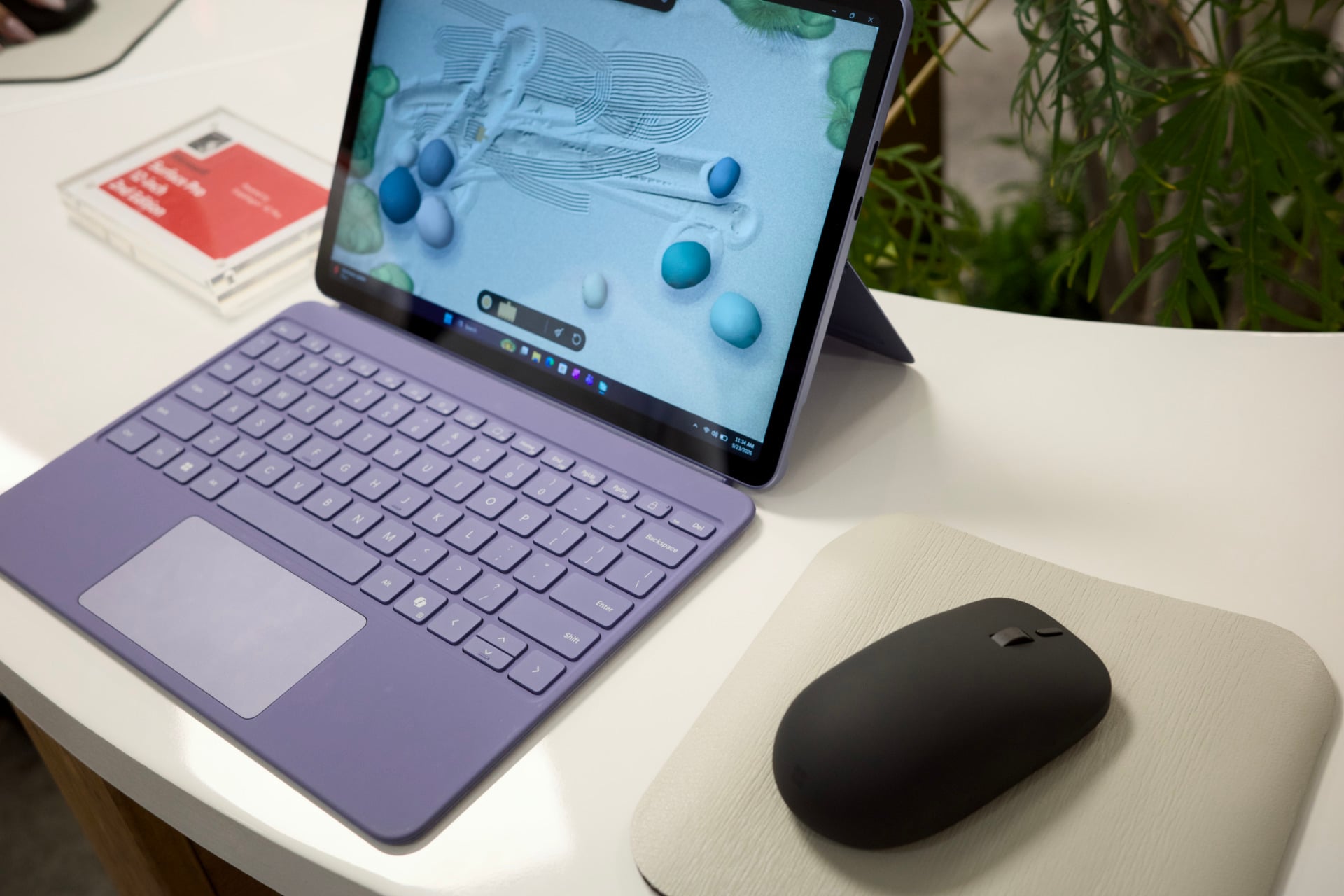
Microsoft’s refreshed lineup of smaller Surface Pro tablets and the new Surface Laptop arrives with a familiar tactile trackpad experience, yet the upgrades feel modest compared to the higher price tags attached to the devices.
The most talked‑about feature among reviewers is the haptic feedback built into the Surface Mouse and the trackpads, a technology that delivers subtle vibrations to simulate clicks. While the mouse’s haptic system has been praised for its distinct feel, critics note that the same “rumble” is now the only standout addition on the refreshed hardware, leaving many to wonder if the incremental changes justify the cost.
The updated Surface Pro models shrink the chassis by a few millimetres, making the tablet more portable without sacrificing screen size. Internally, they retain the same generation of processors and battery capacity as the prior generation, and the operating system remains Windows 11 Home. The Surface Laptop follows a similar pattern: a slimmer profile, a marginally brighter display, and the continuation of the haptic‑enabled precision trackpad that Microsoft introduced a few years ago.
What the devices lack, according to early hands‑on impressions, is a broader suite of new capabilities. Aside from a modest boost in webcam resolution and a slight redesign of the keyboard layout, there are no major hardware overhauls such as upgraded graphics, expanded ports, or a significant increase in storage options. The limited feature set stands in contrast to the price increase, which ranges from roughly 5 to 10 percent over the previous models, depending on configuration.
Industry analysts point out that Microsoft’s strategy appears to lean on the premium perception of the Surface brand rather than on groundbreaking hardware innovations. The haptic trackpad, while praised for its uniqueness, is seen as a niche differentiator that may not sway price‑sensitive consumers who can find comparable performance in competing ultrabooks at lower costs.
Consumer response has been mixed. Some users appreciate the refined feel of the trackpad and the subtle click‑less interaction it offers, especially for extended typing sessions. Others, however, express disappointment that the tactile improvements are not complemented by more substantive upgrades, particularly given the tighter budgets many face in the current economic climate.
Looking ahead, Microsoft is expected to continue iterating on haptic technology across its accessory ecosystem, potentially expanding rumble feedback to other input devices. Whether future Surface releases will pair these sensory enhancements with more pronounced hardware advancements remains to be seen. For now, the company’s latest offerings serve as a reminder that while novel user‑experience touches can add value, they may not be enough to offset the demand for tangible performance gains and competitive pricing.



Comments (0)
Be the first to comment.
Join the discussion