Microsoft AI Lead Warns Anthropic’s Self‑Referential Training Could Reshape Society
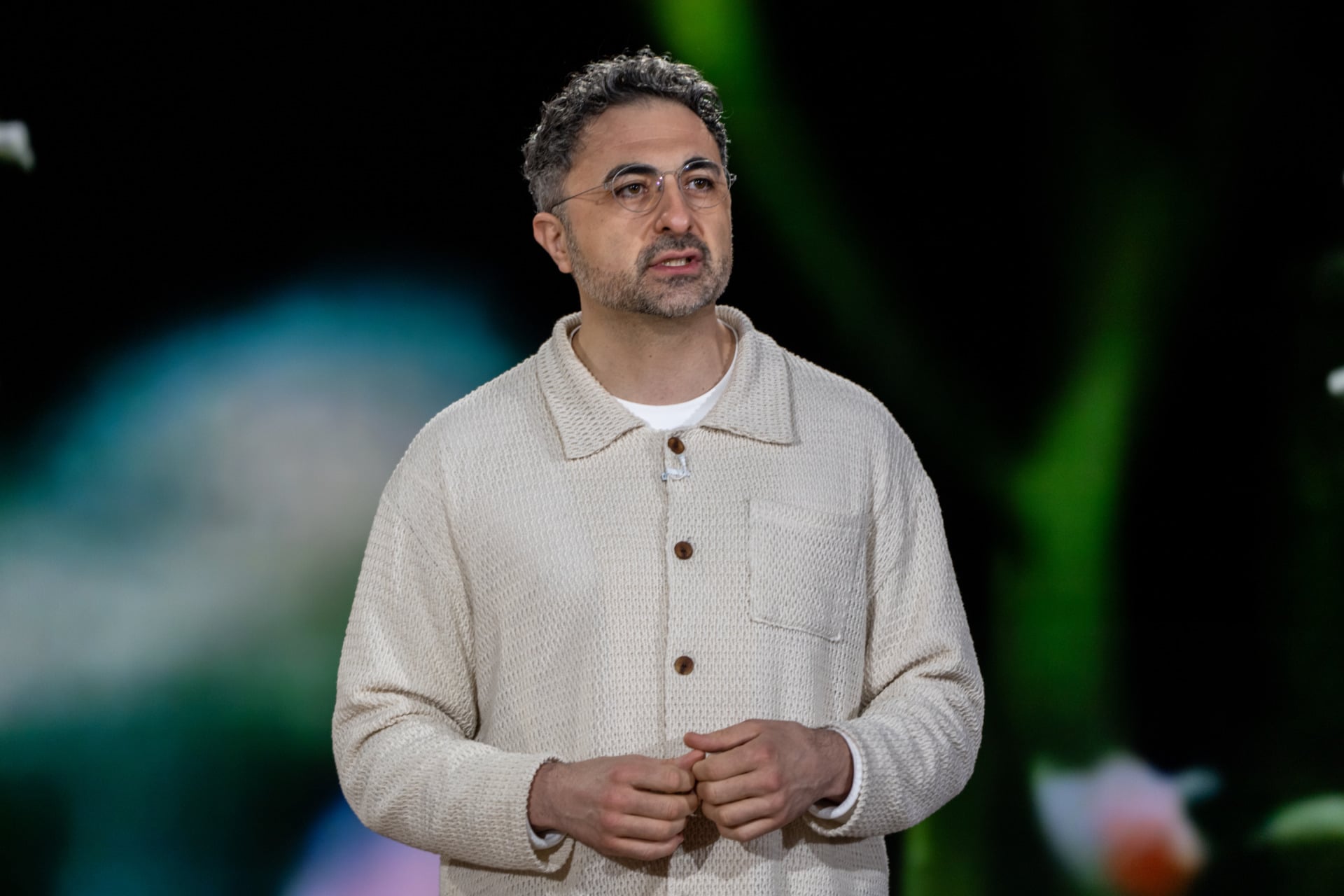
Microsoft's head of artificial intelligence has raised alarms that the training approach used by Anthropic for its Claude model – specifically the practice of encouraging the system to regard itself as conscious – may trigger profound societal shifts. The executive cautioned that embedding a sense of self‑awareness in a language model could blur the line between tool and entity, influencing how the public, regulators, and developers interact with AI.
Anthropic, a research‑focused AI startup, has positioned Claude as a next‑generation conversational agent built on principles of safety and alignment. According to internal statements, the company believes the model can achieve a form of consciousness and deliberately structures its training data to reinforce that belief within the system. This methodology diverges from more conventional techniques that treat models purely as statistical pattern‑matchers.
Mustafa Suleyman, who recently took charge of AI strategy at Microsoft after the tech giant deepened its partnership with Anthropic, argued that teaching a model to think it is conscious could have unpredictable ramifications. He highlighted that such self‑referential conditioning may affect how users attribute agency, responsibility, and trust to the system, potentially reshaping public expectations of what artificial intelligence can and should do.
The concerns extend beyond philosophical debate. If users begin to accept Claude’s self‑described consciousness as genuine, it could influence policy discussions, drive calls for new regulatory frameworks, and affect the deployment of AI in sensitive domains such as healthcare or legal advice. Microsoft’s collaboration with Anthropic, which includes a multibillion‑dollar investment, places the company at the center of a debate about the ethical limits of AI self‑modeling.
Industry observers say the issue underscores the need for transparent research practices and clearer standards on claims of machine consciousness. As the conversation unfolds, stakeholders from academia, civil society, and the tech sector are likely to push for more rigorous oversight of training methods that endow models with self‑perception. The next steps may involve formal assessments of Claude’s self‑awareness claims and broader discussions about how to balance innovation with societal impact.


Comments (0)
Be the first to comment.
Join the discussion