Micro Center Introduces ID Verification for RTX 5090 Purchases to Deter Resale
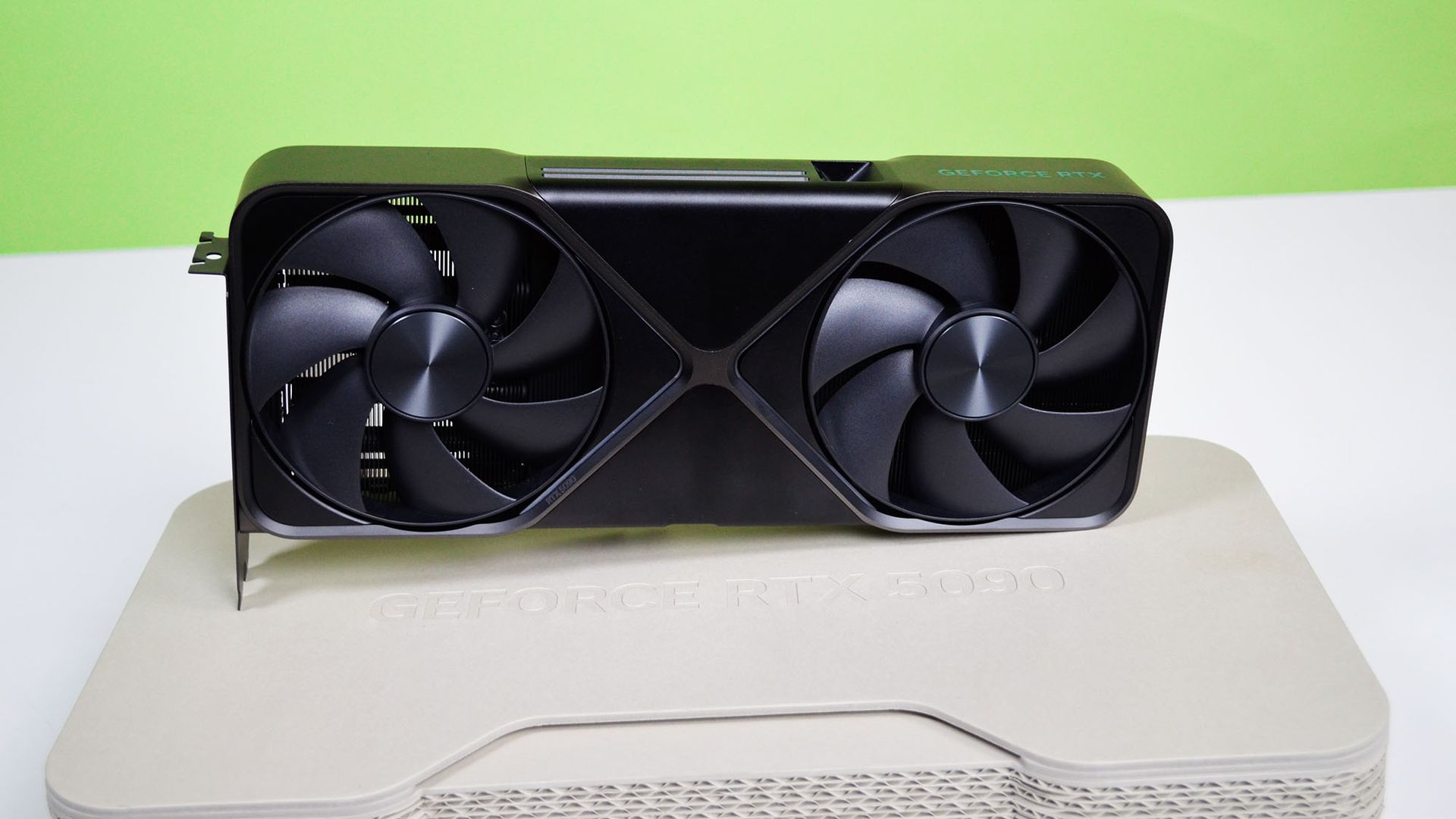
Micro Center announced that customers who wish to buy the newly released RTX 5090 graphics card must now complete a declaration form and provide a scanned copy of a government‑issued photo ID, a move the retailer says is intended to curb scalpers who export the high‑end GPU for profit.
The policy arrives amid a prolonged shortage of premium graphics cards, a market condition that has attracted buyers who purchase units in bulk only to resell them at inflated prices, often to overseas customers. Retail chains have experimented with lottery draws, purchase limits and waiting lists, but many sellers argue that those tactics have not kept pace with organized resale operations.
Under the new procedure, shoppers will be asked to attest to the intended use of the RTX 5090 and upload a clear image of a driver's license, passport or other official photo identification. The information is stored securely and cross‑checked against purchase limits, which Micro Center says will help ensure that a single buyer cannot acquire more than the allotted quantity.
Reactions have been mixed. Consumer‑advocacy groups and some tech‑enthusiasts applaud the effort, calling it a practical step toward leveling the playing field for ordinary buyers who have struggled to find the card at retail price. Conversely, privacy‑concerned customers and a segment of the gaming community view the requirement as an unnecessary hassle that could deter legitimate purchasers.
Legal experts note that while retailers are generally free to set resale‑prevention policies, they must balance those measures against state consumer‑protection statutes and data‑privacy regulations. Similar ID‑verification schemes have been tried by boutique electronics stores, though their effectiveness has been difficult to quantify.
Industry observers suggest that the added friction may push some scalpers toward secondary markets that do not enforce such checks, potentially shifting the problem rather than eliminating it. However, Micro Center hopes that the deterrent will be sufficient to reduce the rapid turnover of inventory that has left many local shoppers empty‑handed.
In a statement, the retailer emphasized its commitment to “protecting customers and preserving fair access to high‑demand products,” adding that the verification process will be reviewed periodically and adjusted based on its impact and customer feedback.
If the approach proves successful, other large electronics chains could adopt comparable ID‑verification steps, and regulators may look more closely at how resale practices affect market fairness. For now, RTX 5090 buyers at Micro Center will need to prepare their identification documents before they can complete the checkout process.



Comments (0)
Be the first to comment.
Join the discussion