Meta Unveils Muse, a Personal AI Assistant Aimed at Streamlining Workflows
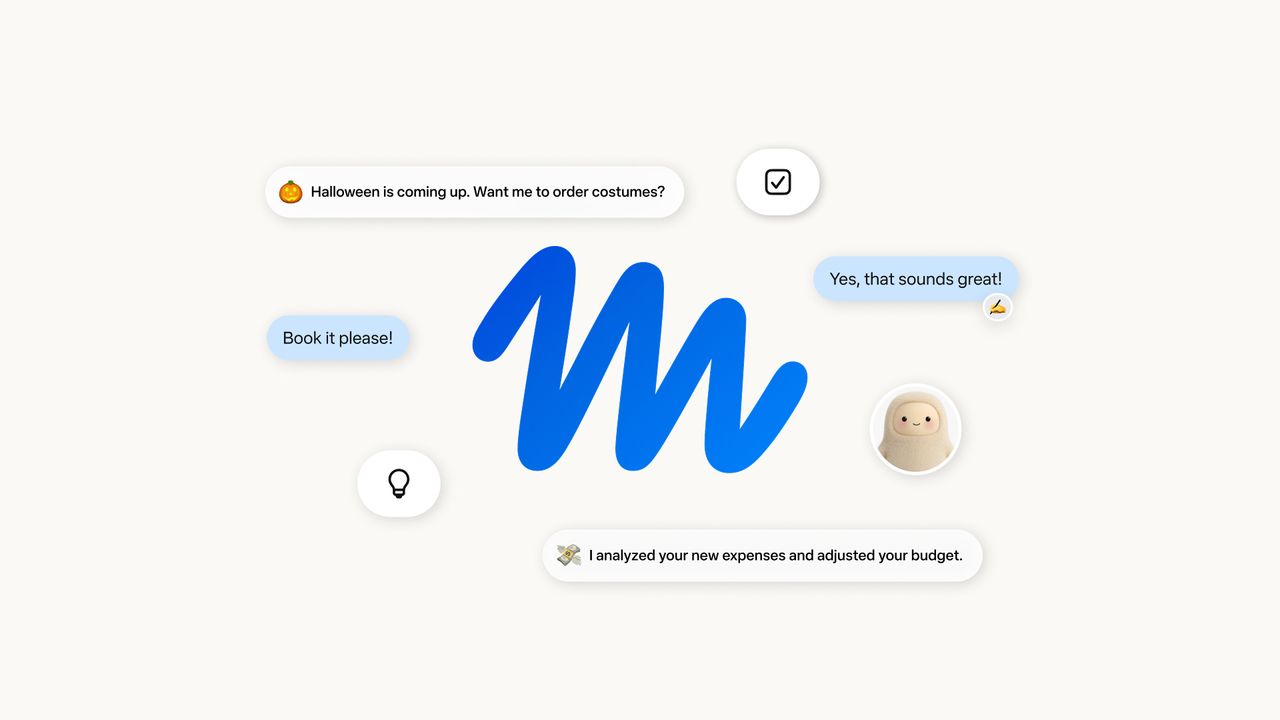
Meta announced the launch of Muse, a new artificial‑intelligence‑driven assistant that the company markets as the "world's first personal AI agent built for everyone." The service is positioned as a hybrid tool that blends task management, communication support, and information retrieval to help users navigate both professional and personal responsibilities.
According to Meta, Muse operates as a cloud‑based companion that can be accessed through a variety of devices, including smartphones, desktop computers, and emerging wearables. Users can issue natural‑language commands to schedule meetings, draft emails, summarize documents, or fetch real‑time data, with the AI handling the heavy lifting behind the scenes. The rollout follows a broader industry trend of embedding generative AI into everyday productivity software.
The introduction of Muse comes at a time when businesses are increasingly experimenting with AI to boost efficiency and reduce routine workload. Analysts note that while many enterprise tools already incorporate machine‑learning features, Meta's approach aims to offer a single, consumer‑friendly interface that can serve both individual contributors and small teams. By packaging a wide range of functions under one brand, Meta hopes to differentiate Muse from more specialized assistants that focus solely on calendar management or email automation.
Privacy and data handling have been focal points of discussion surrounding the launch. Meta says Muse adheres to the company's existing privacy framework, with user data processed in compliance with applicable regulations and options for individuals to control what information the AI can access. Critics, however, caution that integrating a pervasive assistant into daily routines raises questions about data ownership and the potential for algorithmic bias, especially given Meta's history of scrutiny over its data practices.
Looking ahead, Meta plans to expand Muse's capabilities through regular updates and third‑party integrations, allowing developers to build extensions that tailor the assistant to niche workflows. The company also indicated that feedback from early adopters will shape future features, such as deeper contextual understanding and more robust multi‑modal interactions. As AI assistants become more commonplace, the success of Muse will likely hinge on its ability to balance convenience with transparency, offering users tangible productivity gains without compromising trust.


Comments (0)
Be the first to comment.
Join the discussion