Meta to Debut Camera‑Free Smart Glasses as Privacy‑Focused AR Push Gains Momentum
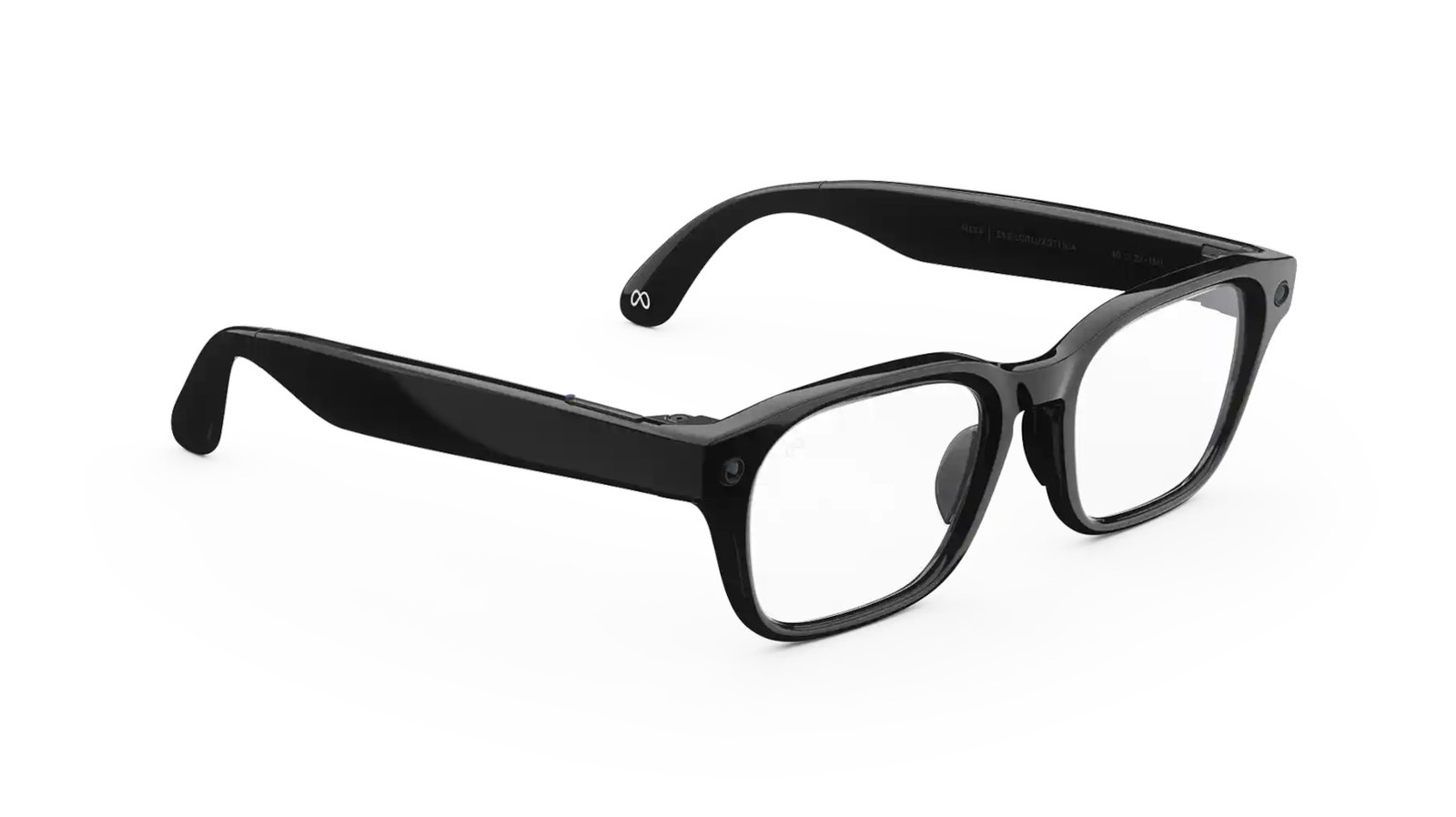
Meta Platforms is reportedly preparing to roll out a new generation of smart glasses that will not include a built‑in camera, according to a source‑based story published by The Information. The move marks a shift from the company’s earlier wearable offerings, which combined audio capabilities with front‑facing lenses for photo and video capture.
Earlier models such as the Ray‑Ban Stories and the Meta Quest Glasses featured cameras that sparked privacy concerns among users and regulators alike. By eliminating the camera, Meta appears to be addressing the backlash that has hampered broader acceptance of wearable augmented‑reality (AR) devices.
While the exact specifications remain under wraps, industry observers expect the upcoming glasses to retain core functionalities like spatial audio, voice‑activated assistants, and AR overlays that tie into Meta’s software ecosystem, including Instagram, WhatsApp and the Horizon virtual‑world platform. Sources suggest the device may also incorporate bone‑conducting speakers and eye‑tracking sensors to enable hands‑free interaction.
The timing of the launch is believed to align with Meta’s product calendar for the latter half of the year, potentially coinciding with a developer conference where prototypes could be demonstrated to partners. Analysts note that a camera‑free design could simplify regulatory approval processes in markets that have scrutinized facial‑recognition and recording capabilities.
The smart‑glasses market has struggled to achieve mainstream traction, with competitors such as Snap, Apple and Google encountering similar hurdles related to cost, battery life and consumer privacy. By positioning its next device as a privacy‑first alternative, Meta hopes to differentiate itself and revive interest in wearable AR.
Strategically, the hardware push fits into Meta’s broader ambition to transition from a social‑media‑centric company to a leader in immersive computing. Diversifying revenue beyond advertising, the firm has invested heavily in the development of head‑mounted displays and related software, viewing wearables as a gateway to its long‑term metaverse vision.
Market analysts comment that removing the camera could lower the psychological barrier for everyday users who are wary of being recorded in public spaces. “A camera‑less form factor addresses one of the most vocal criticisms of wearables and may make the product more palatable for a wider audience,” one analyst said without naming the firm.
Nevertheless, the glasses will still collect data through microphones, motion sensors and potentially eye‑tracking hardware, raising questions about how Meta will handle such information. Privacy advocates will likely monitor the company’s data‑use policies closely, even in the absence of a visual recording component.
Looking ahead, Meta is expected to conduct limited consumer trials before finalizing pricing and distribution plans. If the device garners positive reception, it could signal a turning point for AR wearables and reinforce Meta’s commitment to building a hardware ecosystem that supports its immersive‑experience roadmap.


Comments (0)
Be the first to comment.
Join the discussion