Meta Introduces AI Content Detector with Noted Rate Limits
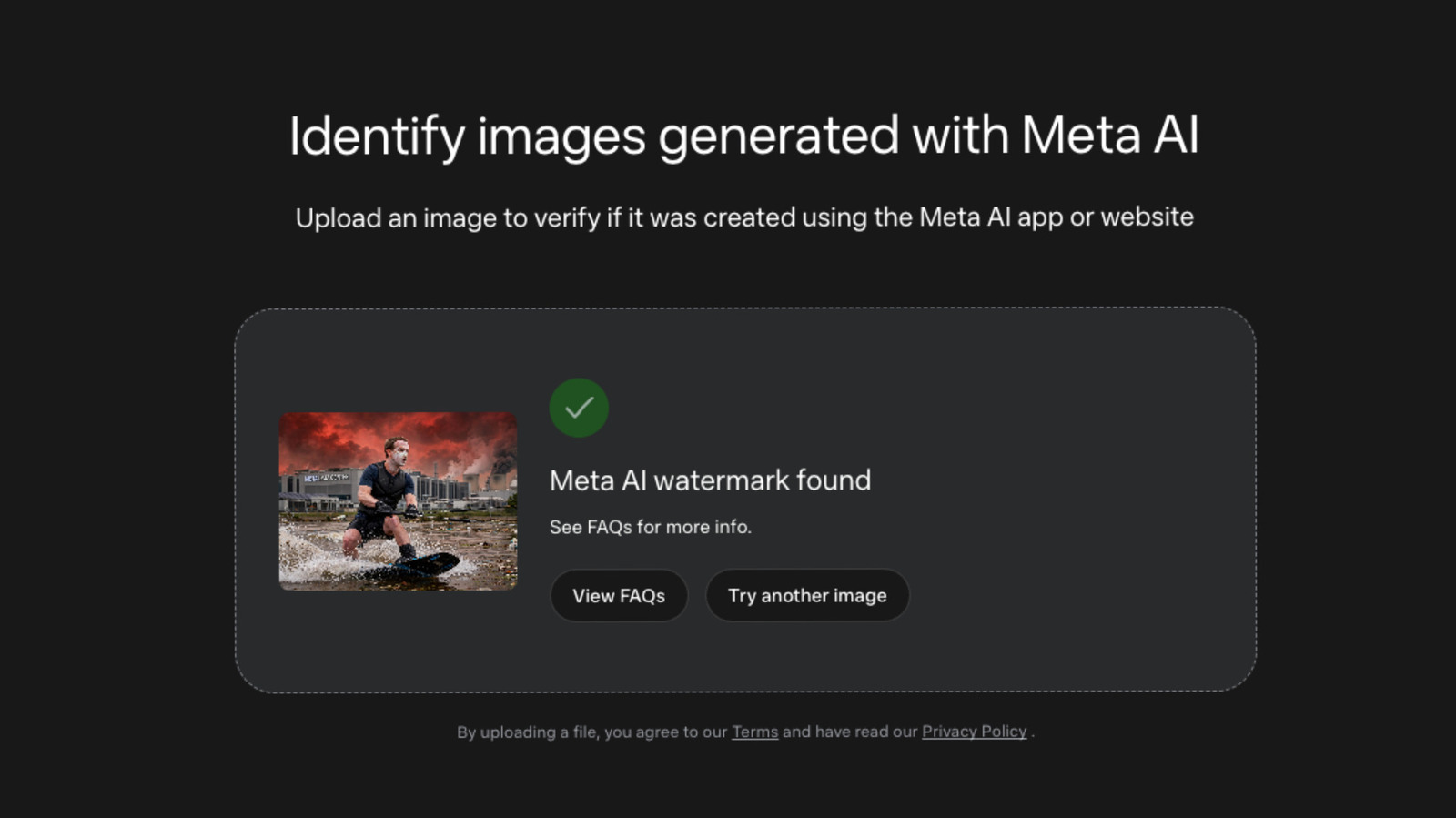
Meta has announced the development of an artificial intelligence detection tool designed to identify images and video content created using its proprietary AI models. This initiative marks a significant step by a major technology firm to address the growing challenge of distinguishing between authentic and synthetically generated media in the digital sphere.
The newly unveiled detector aims to provide a mechanism for greater transparency regarding AI-produced content originating from Meta's platforms. As AI capabilities rapidly advance, the ability to discern content generated by algorithms from human-created material has become increasingly vital for maintaining trust and combating potential misinformation.
However, reports indicate that this new AI detection system is currently subject to specific rate limits. While the exact nature and rationale behind these limitations have not been fully detailed, such constraints could potentially impact the tool's accessibility and its widespread utility for real-time or large-scale content verification.
The proliferation of sophisticated AI-generated imagery and video has prompted calls from various sectors for clearer identification standards. Companies developing cutting-edge AI technologies are increasingly expected to provide solutions that help users and content moderators identify and contextualize synthetic media.
Rate limits on a detection tool could suggest several operational considerations, such as managing computational resources, controlling initial rollout, or addressing the inherent technical challenges of AI detection at scale. This constraint may mean that the tool's application could be restricted to certain volumes or types of content verification, potentially affecting independent fact-checkers or public users attempting to verify numerous pieces of media.
This development by Meta comes amidst a broader industry push to establish robust methods for content provenance and authenticity. Many technology companies and research institutions are exploring various approaches, including digital watermarking and metadata embedding, to provide clearer indicators of AI involvement in content creation.
While Meta's introduction of an AI detection tool signals a commitment to responsible AI deployment and transparency, the presence of rate limits highlights the ongoing complexities and nascent stage of effectively managing and identifying AI-generated content across vast digital ecosystems. The effectiveness and broader adoption of such tools will likely depend on their ability to operate efficiently and without significant hindrance in the face of ever-evolving AI capabilities.


Comments (0)
Be the first to comment.
Join the discussion