Extensive Study Links Adolescent Cannabis Use to Elevated Mental Illness Risk
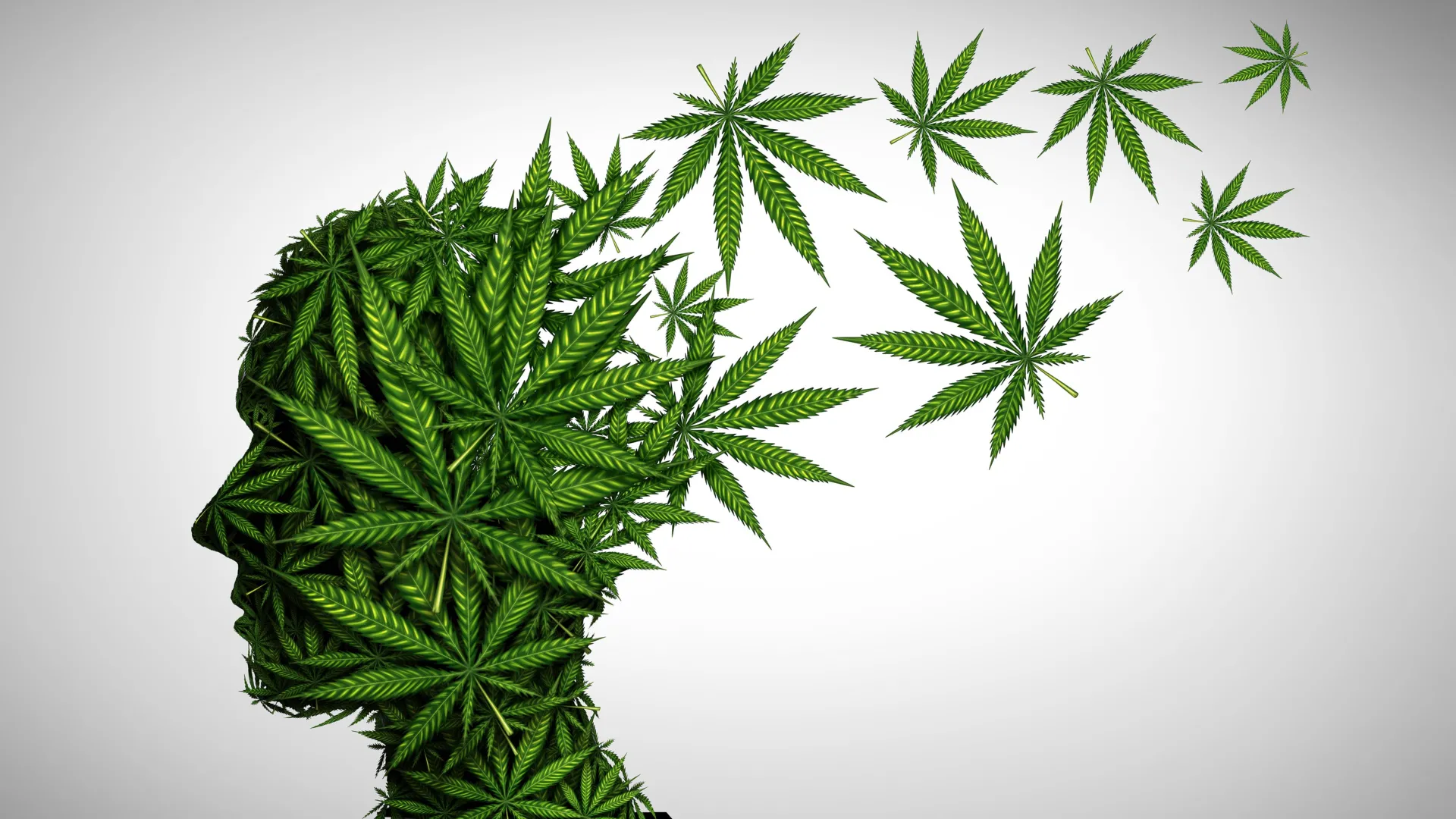
A sweeping new study involving over 463,000 adolescents has revealed a significant association between cannabis use during teenage years and a heightened risk of developing serious mental health conditions. Researchers observed that cannabis consumption frequently preceded diagnoses of conditions such as psychotic and bipolar disorders, suggesting a potential temporal link.
The findings underscore growing concerns about the potential long-term effects of cannabis on the developing adolescent brain. While individual experiences can vary, the sheer scale of this investigation provides robust statistical evidence regarding the correlation between early cannabis exposure and these severe mental health challenges.
Specifically, the study highlighted an increased likelihood for teenage cannabis users to later be diagnosed with conditions that affect mood, thought processes, and perception. Psychotic disorders, characterized by a detachment from reality, and bipolar disorders, marked by extreme mood swings, were among the serious conditions identified in the analysis.
The temporal relationship, where cannabis use was noted to occur before the onset of these diagnoses, is a critical aspect of the research. While the study indicates a strong association, it also paves the way for further investigation into the precise biological and psychological mechanisms that might underlie this connection.
Given the increasing availability and changing perceptions of cannabis, particularly among younger demographics, these findings carry substantial public health implications. They suggest a need for continued vigilance and education regarding the potential risks associated with adolescent substance use, especially as the brain is still undergoing crucial developmental stages.
Experts often emphasize that the adolescent brain is particularly vulnerable to the effects of psychoactive substances due to ongoing maturation processes. Introducing compounds like THC, the primary psychoactive component in cannabis, during this critical period could potentially disrupt normal development pathways, contributing to susceptibility to mental illness.
The study's comprehensive nature, encompassing hundreds of thousands of young individuals, lends considerable weight to its conclusions. While not establishing definitive causation, the observed link warrants serious consideration from healthcare providers, parents, educators, and policymakers.
Moving forward, these results could inform targeted prevention strategies and public awareness campaigns aimed at safeguarding the mental well-being of young people. Further research will likely delve into specific risk factors, genetic predispositions, and the interplay of cannabis potency and frequency of use in exacerbating these risks.


Comments (0)
Be the first to comment.
Join the discussion