Epson’s LifeStudio Grand adds Google TV and extra HDMI, but falls short of market leaders
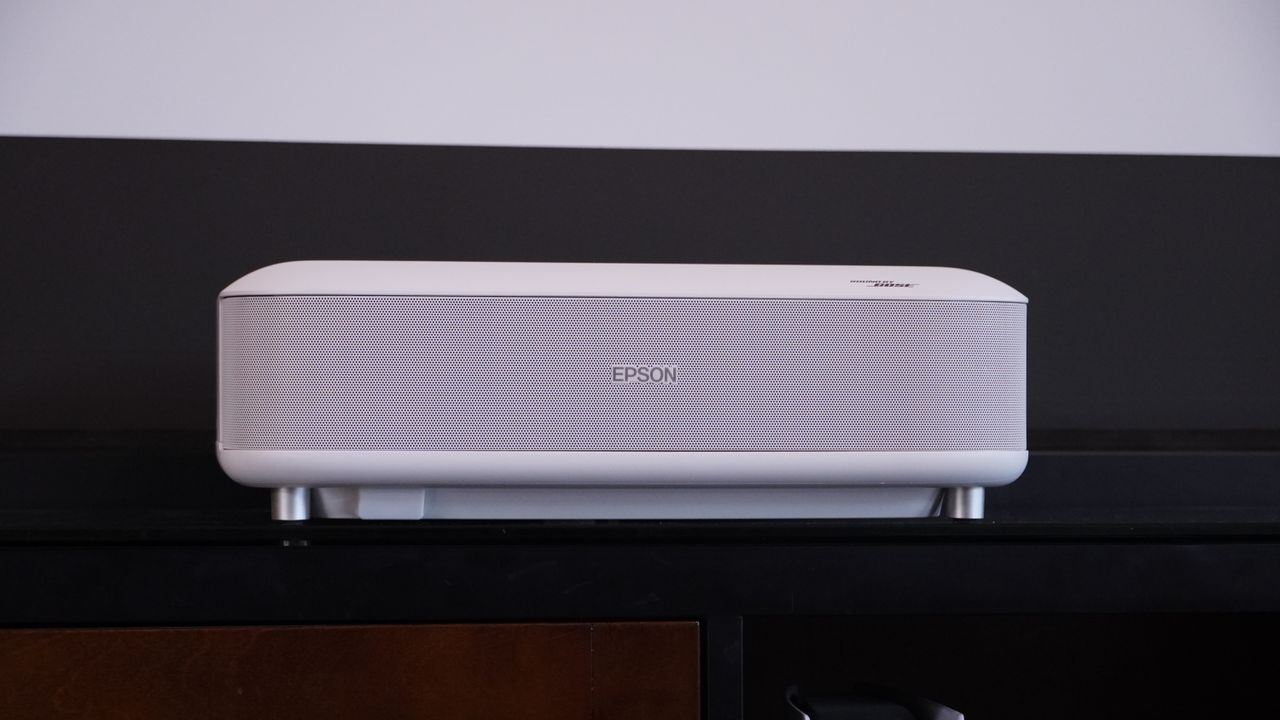
Epson has launched the LifeStudio Grand UST projector, positioning it as an upgrade to its earlier EpiqVision Ultra LS650. While the new model introduces a Google TV operating system and an additional HDMI port, reviewers note that the enhancements are incremental and do little to bridge the gap with rival home‑cinema projectors that have been pushing higher brightness and smarter interfaces for years.
The Grand retains the core specifications of the LS650, including its ultra‑short‑throw optics and 3,600‑lumens output. The most visible change is the built‑in Google TV platform, which replaces the previous Android‑based interface and promises easier access to streaming services, voice control, and app integration. A second HDMI input also allows users to connect a game console and a media player simultaneously without swapping cables.
Industry analysts point out that Epson’s decision to rebrand rather than redesign reflects a broader strategy of incremental refreshes. The underlying light engine, processor, and lens configuration remain unchanged, meaning performance metrics such as contrast ratio, color accuracy, and input lag are virtually identical to the LS650. For consumers who already own the older model, the upgrades may feel modest, but newcomers will find the feature set comparable to many mid‑range competitors.
Competitors like BenQ, Optoma, and LG have rolled out ultra‑short‑throw projectors with higher brightness levels, laser light sources, and more robust smart platforms. Those models often command premium prices but deliver clearer images in brighter rooms and smoother navigation through native operating systems. Epson’s reliance on a modest hardware bump may limit the Grand’s appeal to buyers seeking cutting‑edge performance rather than a budget‑friendly option.
Despite the lukewarm reception, the LifeStudio Grand could still carve out a niche among home‑theater enthusiasts who value Epson’s reputation for color fidelity and reliable lamp life. The inclusion of Google TV may simplify setup for streaming‑first households, and the extra HDMI port addresses a common complaint about limited connectivity. However, reviewers caution that these conveniences may not compensate for the lack of substantive technical advancements.
Looking ahead, Epson is likely to face pressure to introduce more significant upgrades, possibly transitioning to laser illumination or higher‑resolution panels to stay competitive. Until such changes materialize, the LifeStudio Grand will be viewed as a modest step forward—useful for some, but insufficient to reshape the ultra‑short‑throw projector market.


Comments (0)
Be the first to comment.
Join the discussion