Apple’s MacBook Charging Debate: MagSafe Returns as USB‑C Remains Standard
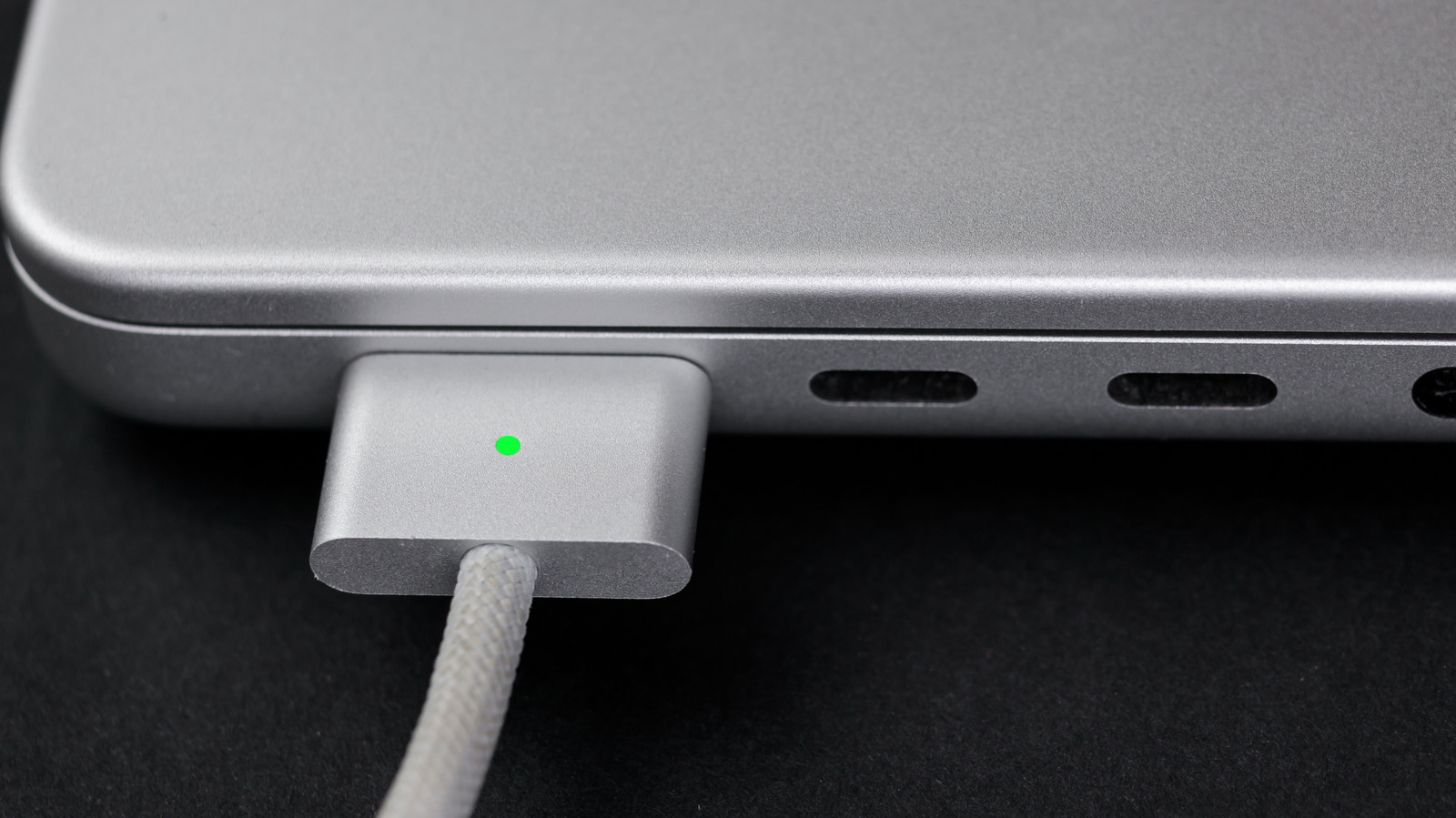
Apple has equipped its latest MacBook models with two distinct charging options: the familiar USB‑C port and the revived MagSafe connector, prompting users to weigh the merits of each method.
USB‑C has become the industry norm for laptops, smartphones and peripherals, offering a single, reversible cable that can deliver power, video and data. Its ubiquity means that users can often charge a MacBook with the same charger they use for an iPhone or iPad, reducing the need for multiple adapters and simplifying travel setups.
MagSafe, reintroduced with the 2021 14‑inch and 16‑inch MacBook Pro, brings a magnetic coupling that snaps into place and disconnects cleanly if the cable is tugged. This design protects the laptop from accidental pulls that could otherwise yank the entire device off a desk. The connector also dedicates a port solely for power, leaving USB‑C slots free for accessories.
In terms of raw performance, both standards can supply the power required for fast charging. The latest MagSafe adapter can deliver up to 140 watts, matching the top‑end MacBook Pro’s needs, while USB‑C adapters for the same models typically max out at 96 watts. In everyday use the difference in charging time is modest, as the laptop’s internal power management throttles input to protect the battery.
From a user‑experience perspective, MagSafe’s magnetic link is praised for its ease of connection and the peace of mind it offers against accidental drops. USB‑C, however, retains the advantage of cross‑device compatibility and the ability to daisy‑chain displays and external storage without requiring separate cables. Apple also provides adapters that let users charge via either port, ensuring that the presence of both options does not force a hard choice.
Looking ahead, the coexistence of MagSafe and USB‑C suggests that Apple sees value in catering to different preferences rather than consolidating to a single standard. As third‑party accessory ecosystems continue to expand, the decision for most consumers will likely hinge on whether they prioritize the safety of a magnetic connection or the convenience of a universal cable. Both solutions are supported by Apple’s current hardware lineup, and future MacBooks are expected to maintain this dual‑port approach for the foreseeable future.


Comments (0)
Be the first to comment.
Join the discussion