Lucid and Bolt Target 25,000 Autonomous Ride‑Hailing Vehicles Across Europe
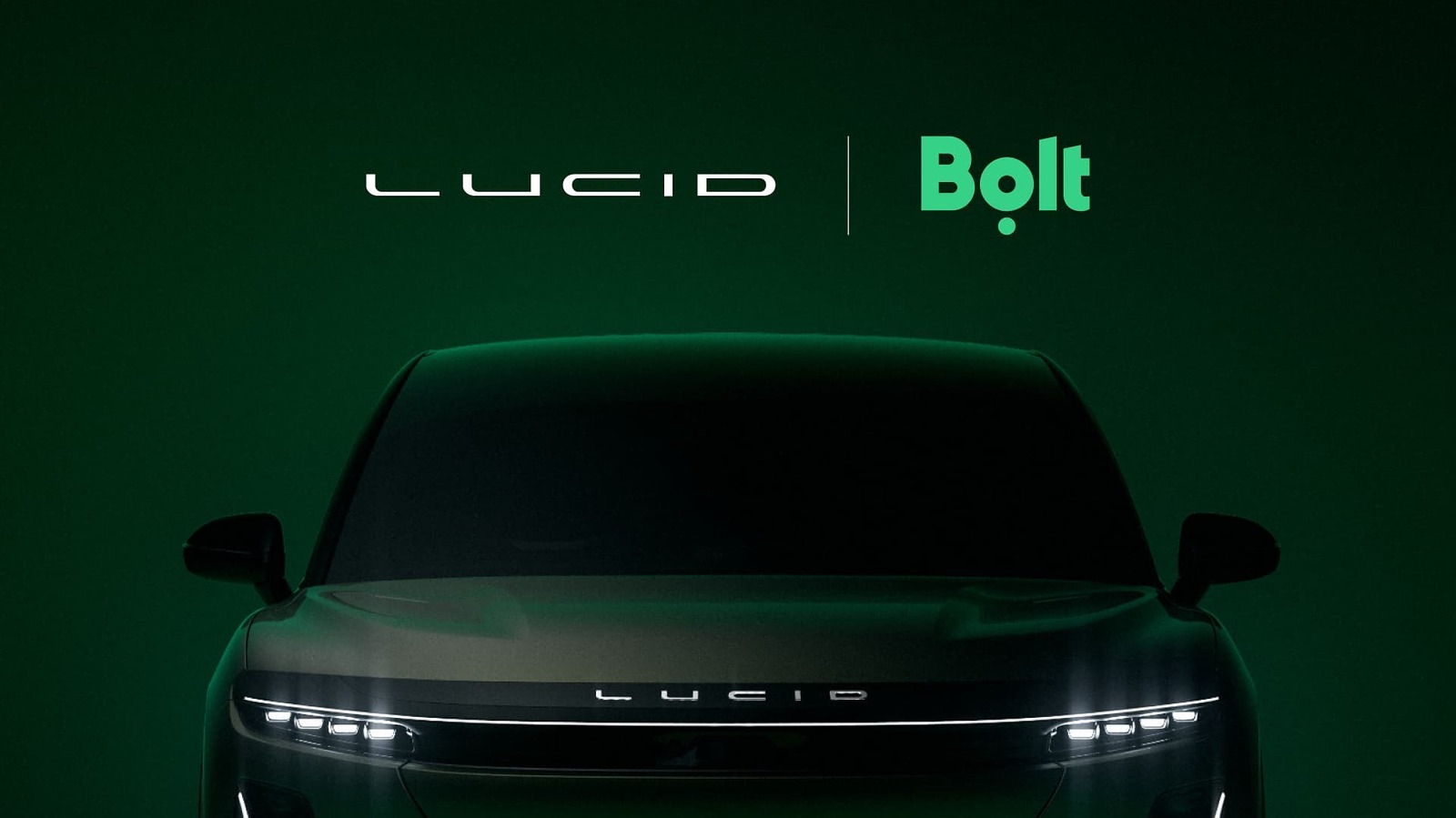
Lucid Motors and mobility platform Bolt have announced a joint ambition to field a fleet of at least 25,000 autonomous robotaxis on European roads. The partnership, revealed in a brief statement, signals both companies' confidence that self‑driving technology is ready for large‑scale commercial use and that Europe offers a receptive regulatory climate for such services.
Both firms have been developing autonomous capabilities for several years. Lucid, known for its high‑performance electric sedans, has been integrating advanced driver‑assist systems into its vehicle architecture, while Bolt has expanded its ride‑hailing network across dozens of European cities. By combining Lucid’s electric platforms with Bolt’s market reach, the two aim to create a seamless, on‑demand transportation option that could reduce reliance on privately owned cars.
The planned rollout will likely begin in markets that have already granted testing permissions for driverless cars, such as Germany, France and the Netherlands. Those countries have established frameworks for Level 4 autonomy, allowing vehicles to operate without a human driver under defined conditions. If the deployment proceeds as outlined, the fleet could reach operational scale within the next few years, offering passengers a fully electric, zero‑emission alternative to conventional taxis.
Industry analysts note that a deployment of this magnitude would position Lucid and Bolt among the leaders in the emerging robotaxi sector, currently dominated by a handful of technology giants and automotive manufacturers. The initiative also reflects broader European goals to decarbonise transport and alleviate urban congestion. By delivering a sizable electric autonomous fleet, the partnership could contribute to EU climate targets while providing data that helps refine safety standards and public acceptance.
While details on the timeline, pricing model or exact city‑by‑city rollout remain limited, the announcement underscores a growing trend of cross‑industry collaborations aimed at accelerating autonomous mobility. Observers will watch closely for regulatory approvals, infrastructure upgrades and consumer response as the two companies move from planning to implementation, a step that could reshape the continent’s urban transport landscape.



Comments (0)
Be the first to comment.
Join the discussion