Vital Link Restored: Southern Red Wood Ants Reintroduced to Woodlands
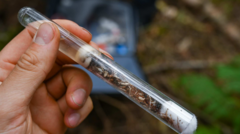
Southern red wood ants, a species recognized for its fundamental role in maintaining healthy forest environments, have been successfully reintroduced into woodlands after a period of absence. This initiative aims to bolster local ecosystems by restoring a vital component of their biodiversity.
Often referred to as a “keystone species,” the southern red wood ant plays a disproportionately large role in its habitat. Their presence is crucial for the well-being of numerous other species and the overall health of the forest. Without them, the ecosystem can undergo significant negative shifts.
While specific details about their decline were not provided, their previous “lost” status suggests local extinctions or severe population drops that necessitated human intervention for their return. Conservationists have identified their reintroduction as a priority for ecological restoration.
These diligent insects contribute to their environment in multiple ways. They are known to aerate soil through their extensive tunneling, improving water penetration and nutrient cycling. They also act as natural pest controllers, preying on other invertebrates that might otherwise harm vegetation. Furthermore, their nests can provide microhabitats for other small creatures, and the ants themselves serve as a food source for various birds and mammals, enriching the food web.
The reintroduction represents a significant step in localized conservation efforts. By bringing back a species with such broad ecological impacts, it is hoped that a cascade of positive effects will ripple through the woodland, leading to stronger, more resilient plant and animal communities.
Such projects highlight the intricate connections within natural systems and underscore the importance of protecting even seemingly small organisms. They serve as a reminder that the loss of one species can destabilize an entire ecological network, and conversely, the successful return of a keystone species can initiate a powerful recovery.
The long-term success of this reintroduction will depend on continued monitoring and habitat management. However, the initial steps mark a hopeful turning point for the affected woodlands, demonstrating the potential for dedicated conservation work to mend broken ecological links and foster thriving natural environments once more.


Comments (0)
Be the first to comment.
Join the discussion