Lockheed Martin Unveils Vectis Stealth Drone Family, First Flight Targeted for 2027
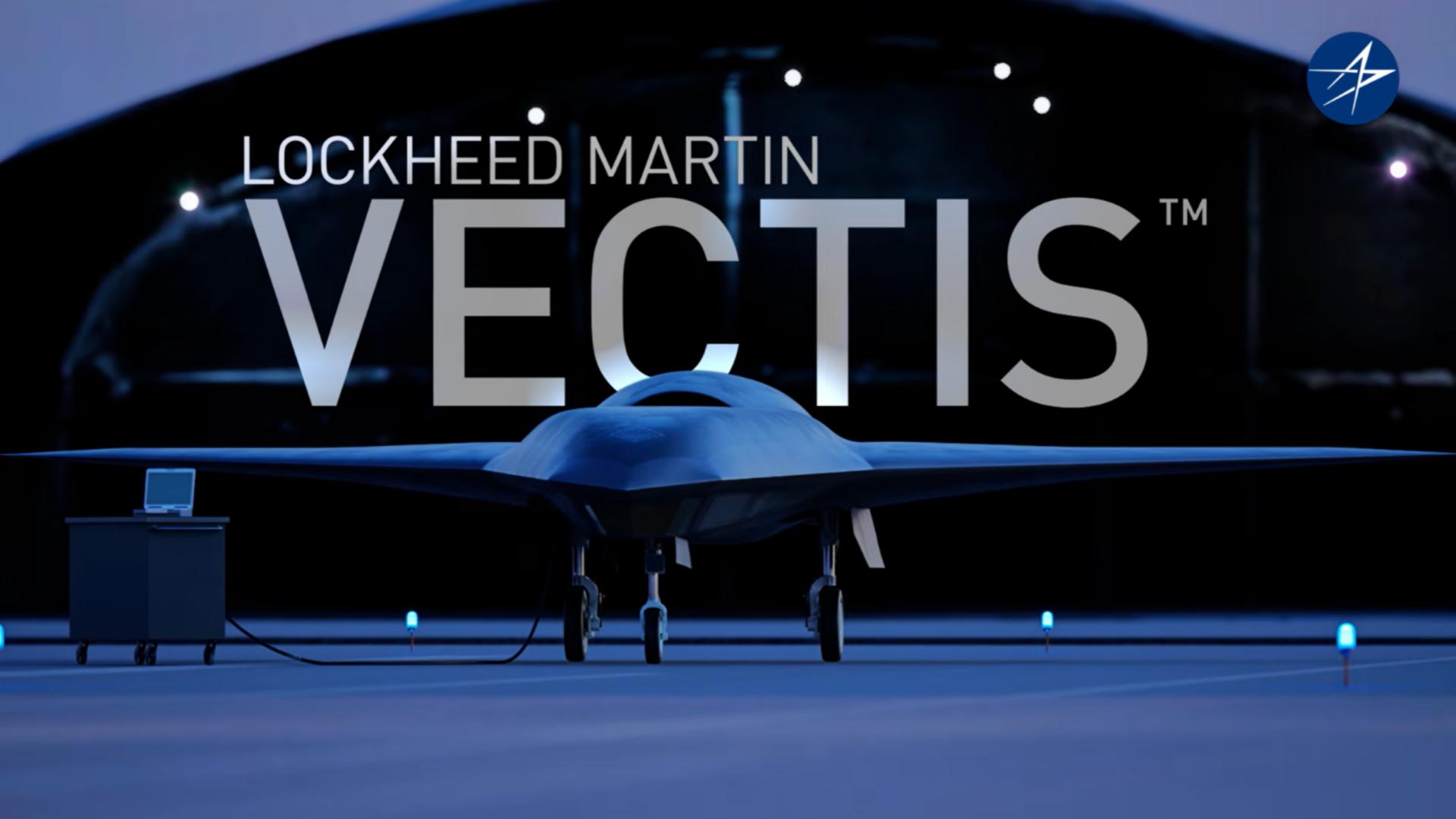
Lockheed Martin announced that its Vectis series of stealth combat drones is slated to enter service before 2028, with the inaugural prototype expected to take to the skies in 2027. The company released a set of promotional videos that give the public a clearer view of the unmanned aircraft’s design, highlighting concealed missile bays that house both air‑to‑air and strike ordnance.
The Vectis platform measures roughly 34 feet in length and spans about 38 feet from wingtip to wingtip, dimensions that place it in the medium‑sized class of combat UAVs. Its streamlined shape and internal weapons carriage are intended to reduce radar cross‑section, aligning with the stealth characteristics that have become a hallmark of modern air‑dominance systems.
Lockheed’s approach emphasizes affordability without sacrificing capability, a theme underscored in the company’s marketing narrative. By integrating weapons within the airframe rather than mounting them externally, the drone can maintain a low observable profile while still delivering a versatile payload. The hidden missile bays are shown in the footage carrying a mix of air‑to‑air missiles for defensive engagements and precision‑guided munitions for strike missions.
The development of Vectis comes at a time when the United States and allied nations are expanding their unmanned combat fleets to address evolving threat environments. Stealthy UAVs promise to operate in contested airspace with reduced risk to pilots, and their ability to loiter for extended periods offers commanders flexible options for surveillance, interception, and strike. Analysts note that the timeline—prototype flight in 2027 and operational entry before 2028—suggests an accelerated acquisition schedule, likely driven by budgetary pressures and the rapid pace of technological change.
Looking ahead, Lockheed Martin has not disclosed a detailed rollout plan or specific customers, but industry observers expect the Vectis family to compete for contracts across multiple services and allied air forces. The company’s emphasis on cost‑effective production could make the platform attractive to nations seeking advanced capabilities without the expense of larger manned fighters. Further testing, integration of sensor suites, and validation of its stealth performance will determine how quickly Vectis moves from prototype to an operational asset.


Comments (0)
Be the first to comment.
Join the discussion