Lightweight ‘Spotifast’ Promises Faster Spotify Playback Across Major Desktop Platforms
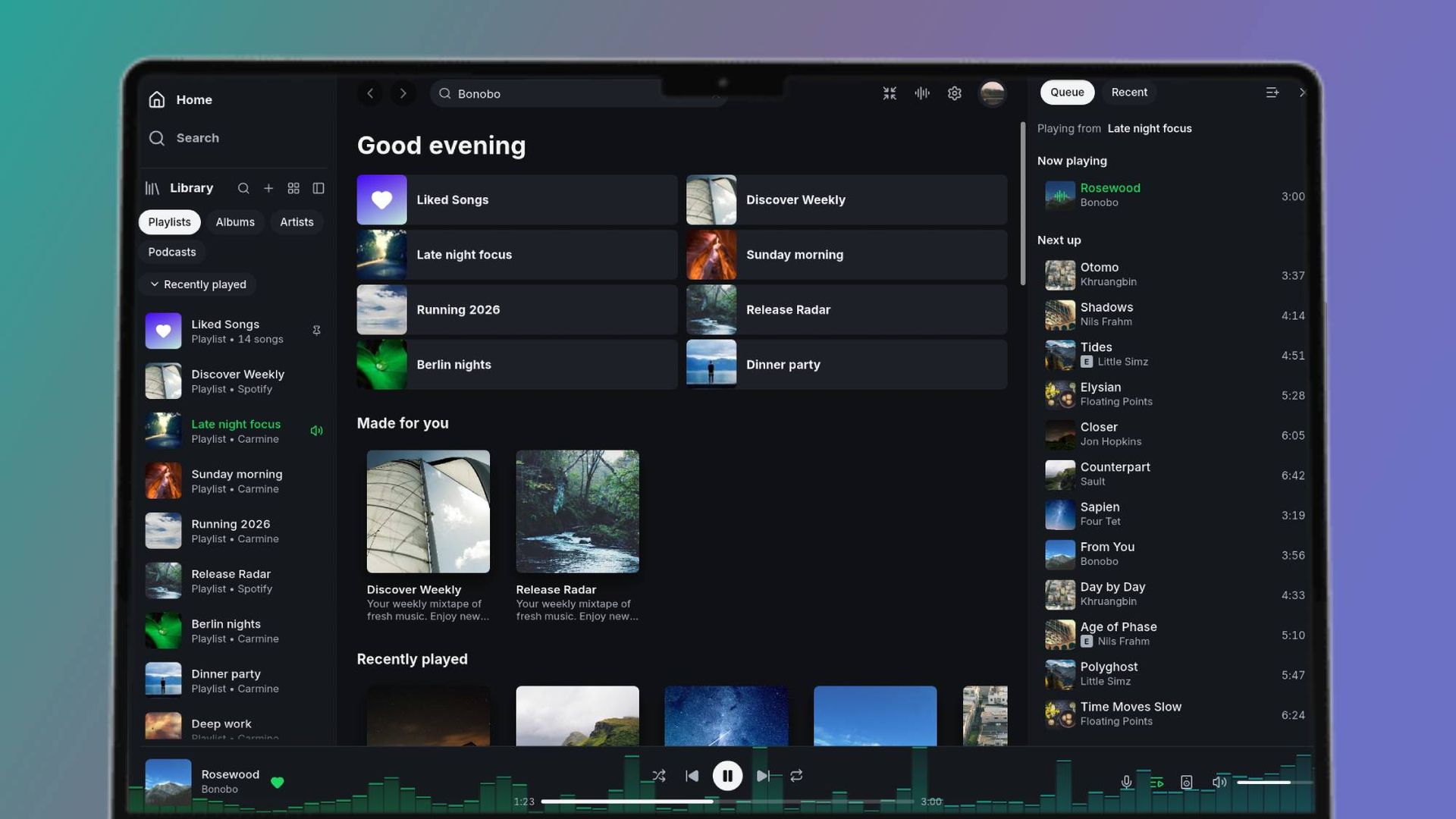
A new third‑party client called Spotifast is positioning itself as a leaner alternative to Spotify’s official desktop application, delivering a faster, lower‑memory experience on Windows, macOS and Linux systems.
Spotifast runs as a native desktop program rather than a web‑based wrapper, which allows it to keep the music library and playlists locally. By caching this information, users can browse, search and start playback without the lag that sometimes accompanies the official client’s heavy resource consumption.
The utility is designed specifically for Spotify Premium subscribers, as it relies on the same streaming backend but does not provide any of the free‑tier features. Once a user signs in with their Premium credentials, Spotifast synchronizes the full catalog of saved playlists and presents a familiar interface for navigating tracks.
Tech enthusiasts have highlighted the app’s modest RAM footprint as its most compelling advantage. While the standard Spotify client can approach several hundred megabytes of memory on modest hardware, Spotifast typically stays well below that threshold, making it attractive for users with older machines or those who run multiple applications simultaneously.
Spotifast’s cross‑platform support also fills a niche for Linux users, a demographic that has historically relied on unofficial wrappers or community‑maintained projects to access Spotify. By offering official‑looking performance on all three major operating systems, the program aims to broaden its appeal among power users who prioritize speed and efficiency.
Although Spotifast is not affiliated with Spotify, its developers stress that the software respects the streaming service’s terms of use and does not modify or redistribute any copyrighted content. Future updates are expected to refine the user interface and possibly add features such as offline caching, but any expansion will remain contingent on maintaining the lightweight ethos that distinguishes it from the mainstream client.


Comments (0)
Be the first to comment.
Join the discussion