Kenyan Doctors Report First Fully Drug‑Resistant Candida auris Infection
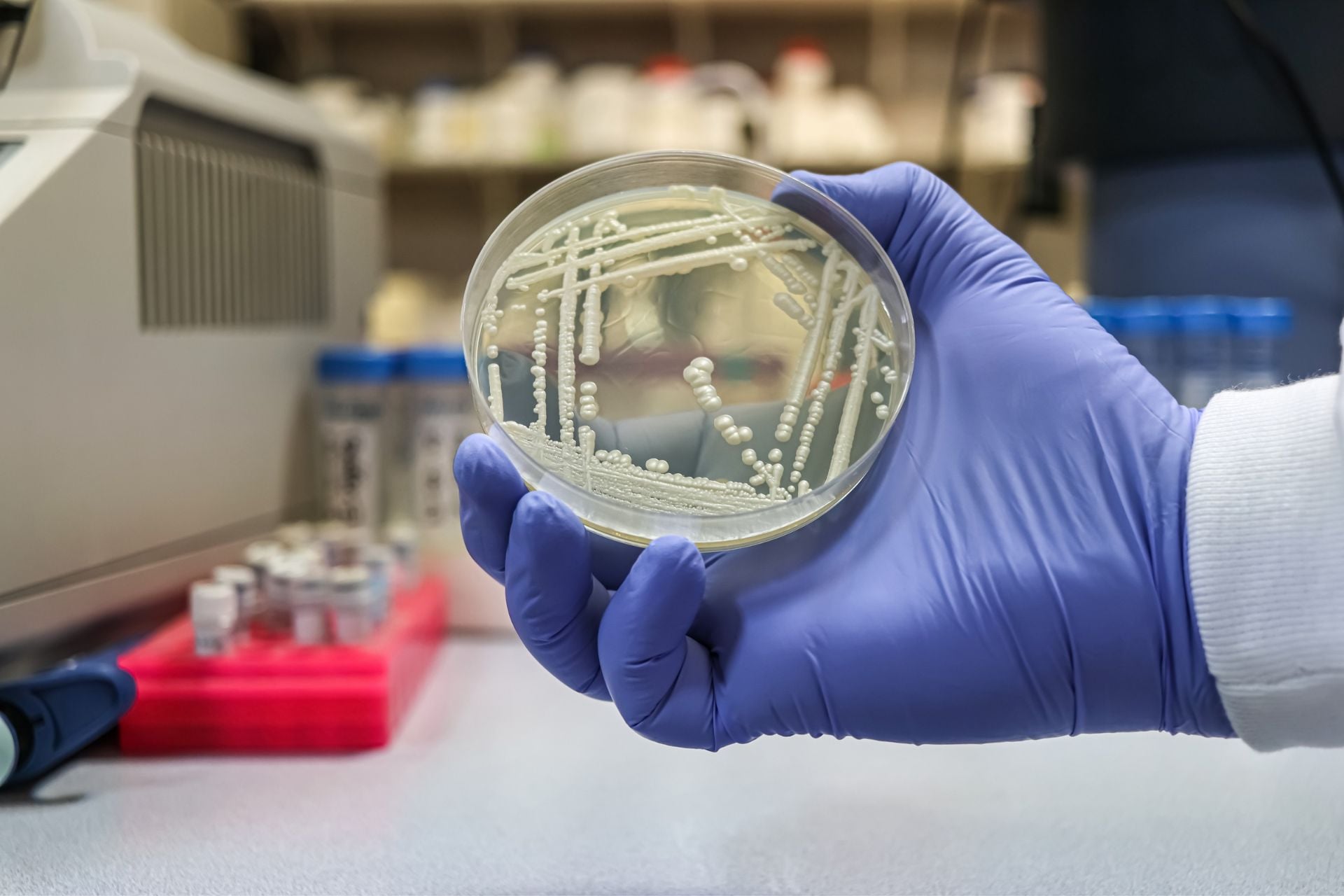
Medical researchers in Nairobi have confirmed a case of Candida auris that shows no susceptibility to any of the major antifungal drug classes, marking the first documented instance of a completely pan‑resistant strain in East Africa.
The yeast, first identified in Japan in 2009, has since spread to hospitals worldwide and earned a reputation for evading standard treatments. Its ability to survive on surfaces and spread between patients makes it a formidable nosocomial threat, especially in intensive‑care settings where vulnerable individuals are common.
According to the team at the Kenyan Medical Research Institute, the patient—a middle‑aged individual admitted for a postoperative infection—failed to respond to multiple rounds of echinocandins, azoles and polyenes. Laboratory analysis using broth microdilution and genomic sequencing revealed mutations associated with resistance across all tested drug pathways, confirming the pathogen’s pan‑resistance. The case was reported to the national health authority and shared with the World Health Organization’s fungal disease surveillance network.
Clinicians now face a therapeutic dead‑end, as the only remaining options are experimental agents or combination regimens with unproven efficacy. The hospital has instituted strict isolation protocols, enhanced environmental cleaning, and contact‑precaution training to prevent further spread. Experts warn that without new antifungal classes, infections like this could become untreatable, leading to higher mortality rates and longer hospital stays.
Health officials say the Kenyan case underscores the urgency of global monitoring for Candida auris and accelerated research into novel antifungal compounds. The WHO has previously listed drug‑resistant fungi among the top ten public‑health threats, urging nations to improve laboratory capacity and share resistance data. As the pathogen continues to adapt, the medical community anticipates that coordinated surveillance and investment in drug development will be critical to staying ahead of this evolving fungal menace.



Comments (0)
Be the first to comment.
Join the discussion