Adobe revamps Photoshop, Premiere and Substance 3D to run on NVIDIA’s RTX Spark AI chip
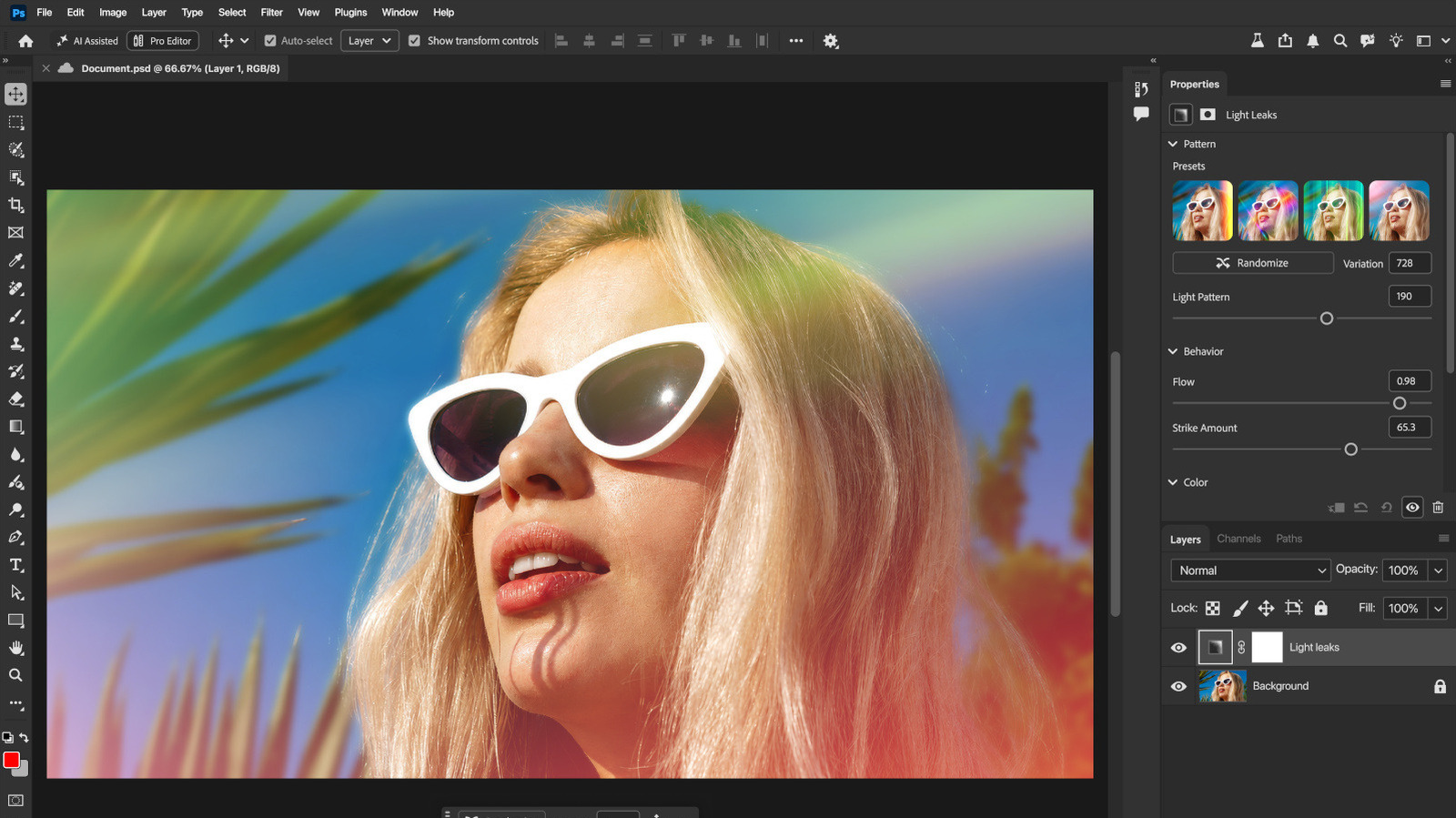
Adobe announced that it has completely reengineered its flagship creative applications—Photoshop, Premiere Pro and the Substance 3D suite—to run natively on NVIDIA’s RTX Spark AI superchip, a move aimed at delivering faster performance for users with compatible hardware.
The redesign, described by Adobe as a "re‑architecture," integrates the capabilities of the RTX Spark platform directly into the core of each program. By doing so, the company expects the tools to handle complex tasks such as image generation, video rendering and 3D material creation more efficiently, reducing the time professionals spend waiting on compute‑intensive operations.
Adobe’s decision reflects a broader industry trend of coupling creative software with specialized accelerators. NVIDIA’s RTX Spark is built around AI‑focused processing cores that can accelerate tasks traditionally handled by the CPU or generic GPU pipelines. For creatives, this could mean smoother real‑time previews, quicker AI‑driven edits, and more responsive interfaces when working with high‑resolution assets.
The shift also aligns with Adobe’s ongoing strategy to embed artificial‑intelligence features across its suite, such as generative fills in Photoshop and auto‑reframe in Premiere. Leveraging RTX Spark’s dedicated AI hardware could allow these functions to run locally on a user’s workstation rather than relying on cloud‑based services, offering both speed and privacy benefits.
While the upgrade is optional and requires a system equipped with the RTX Spark chip, Adobe has indicated that future updates will continue to prioritize compatibility with the platform. Users with older hardware will still receive standard releases, but the most performance‑intensive features are expected to be optimized for the new architecture.
Industry analysts view the partnership as a signal that high‑end creative workflows are increasingly dependent on specialized AI hardware. As more creators adopt such configurations, software developers may follow suit, prompting a wave of applications tailored to accelerate AI‑enhanced tasks. Adobe’s move could set a benchmark for how major creative tools evolve alongside emerging compute technologies.



Comments (0)
Be the first to comment.
Join the discussion