Japan's bold experiment to curb antibiotic misuse has been a huge success. Could it work in the US?
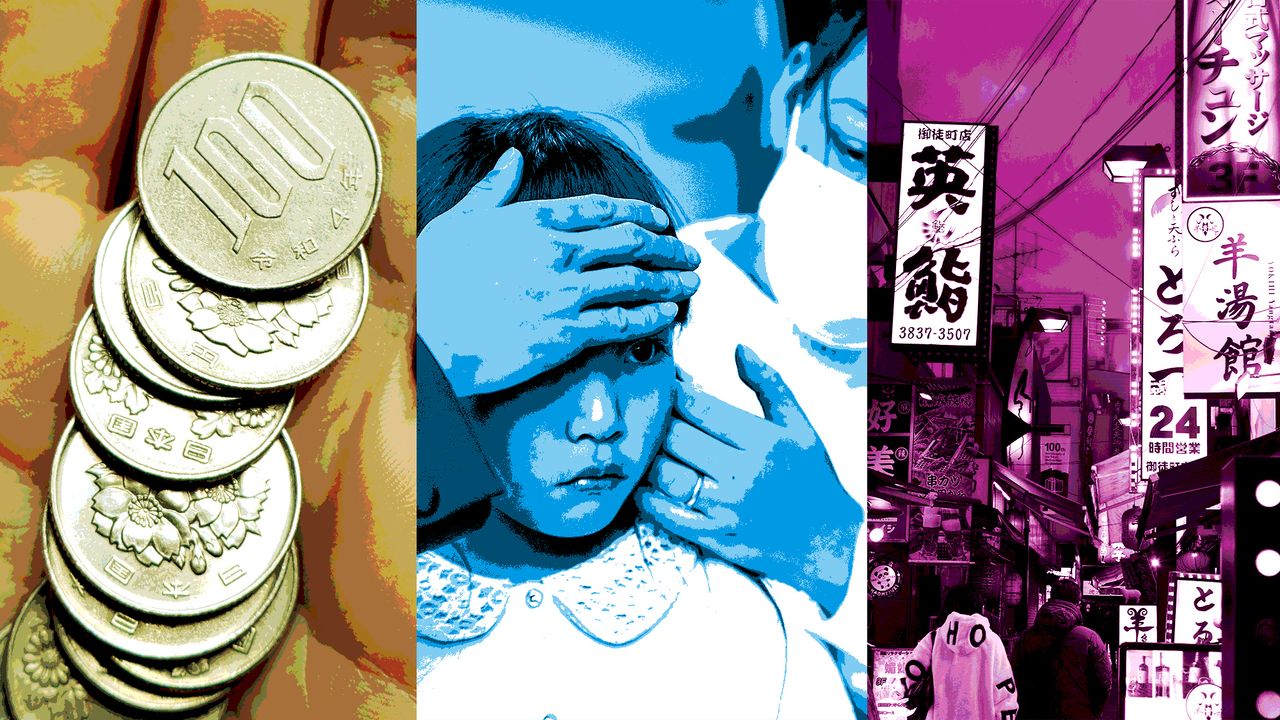
Antimicrobial resistance is a "silent pandemic," posing huge threats to public health while raising little attention. To curb resistance, doctors must use antibiotics sparingly and responsibly. This report is the first in a series comparing antibiotic use in Japan and the United States, with a focus on outpatient pediatrics. It was supported by a reporting fellowship from the Association of Health Care Journalists and The Commonwealth Fund.
About a decade ago, the Japanese government spotted a worrying pattern: Pediatricians were doling out a ton of antibiotics, well beyond what should be needed to treat the bacterial infections coming through their doors.
Antibiotics treat bacterial infections, not those caused by viruses, fungi or parasites. Yet doctors were often sending young patients home with antibiotics for illnesses unlikely to be bacterial. Treating nonbacterial infections with antibiotics can fuel antimicrobial resistance (AMR) and the rise of superbugs by unnecessarily exposing bacteria to the drugs, pressuring those bacteria to evolve strategies to survive. Resistant bacteria can then spread their adaptations to others, thereby compounding the problem.


Comments (0)
Be the first to comment.
Join the discussion