Meta’s New VR Glasses Signal a Potential Resurgence for Immersive Gaming
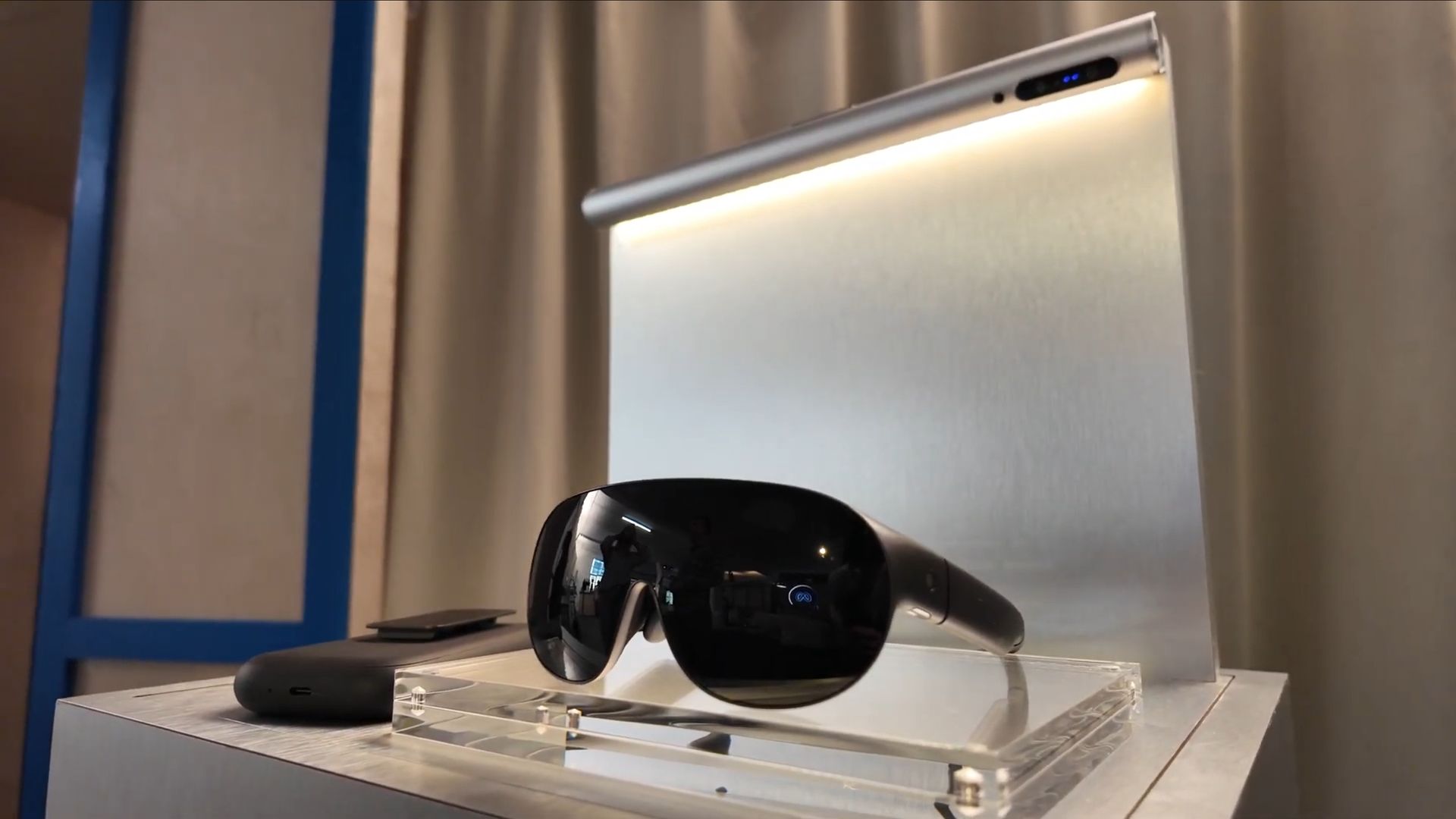
Meta Platforms unveiled its latest mixed-reality headset this week, sparking renewed debate about whether virtual reality (VR) can regain the momentum it enjoyed during the pandemic-driven surge that propelled the Oculus Quest 2 to bestseller status.
When the Quest 2 launched in 2020, a perfect storm of global lockdowns, aggressive pricing, and a growing library of accessible titles made it the de‑facto entry point for millions of new users. Sales data from that period show a sharp spike in hardware shipments and a corresponding rise in app downloads, establishing a high watermark that the industry has struggled to match as normalcy returns.
The newly announced Meta glasses aim to address the post‑pandemic lull by blending lightweight optics with a more open design, reducing the bulk that many consumers found off‑putting in earlier headsets. Meta’s engineers claim the device can operate both as a standalone unit and as an accessory to smartphones, potentially widening its appeal beyond dedicated gamers to casual users and enterprise customers.
Analysts note that the market’s expectations have shifted. While price remains a critical factor, buyers now prioritize comfort, ease of setup, and a seamless transition between augmented and virtual experiences. Meta’s emphasis on “mixed reality” aligns with broader industry trends that see manufacturers blurring the line between the two modalities to attract a wider audience.
Critics, however, caution that the headset’s success will hinge on more than hardware refinements. Content ecosystems, developer support, and robust distribution channels are essential to sustain long‑term growth. The Quest 2 benefited from a thriving library of games, fitness apps, and social platforms that kept users engaged; replicating that breadth will be a test for Meta’s new offering.
In addition to consumer demand, corporate adoption could provide a lifeline. Companies are increasingly exploring VR for training, design visualization, and remote collaboration, sectors where Meta’s enterprise‑focused features could find traction. If the glasses prove adaptable for both work and play, they may carve out a niche that compensates for any shortfall in pure entertainment sales.
Looking ahead, the headset’s rollout will be closely watched for early sales figures, user reviews, and the rate at which developers commit to the platform. Should Meta manage to deliver a compelling mix of affordability, comfort, and content, it could rekindle the enthusiasm that once made VR a household term during lockdowns.
For now, the industry remains at a crossroads, balancing the lessons of a pandemic‑driven boom with the reality of a post‑COVID market. Meta’s latest glasses represent a calculated gamble: either a step toward a sustainable VR future or another missed opportunity in a space that has repeatedly struggled to translate hype into lasting adoption.



Comments (0)
Be the first to comment.
Join the discussion