Snap and Xreal Unveil AR Glasses That Feel More Nerdy Than Ready for Everyday Wear
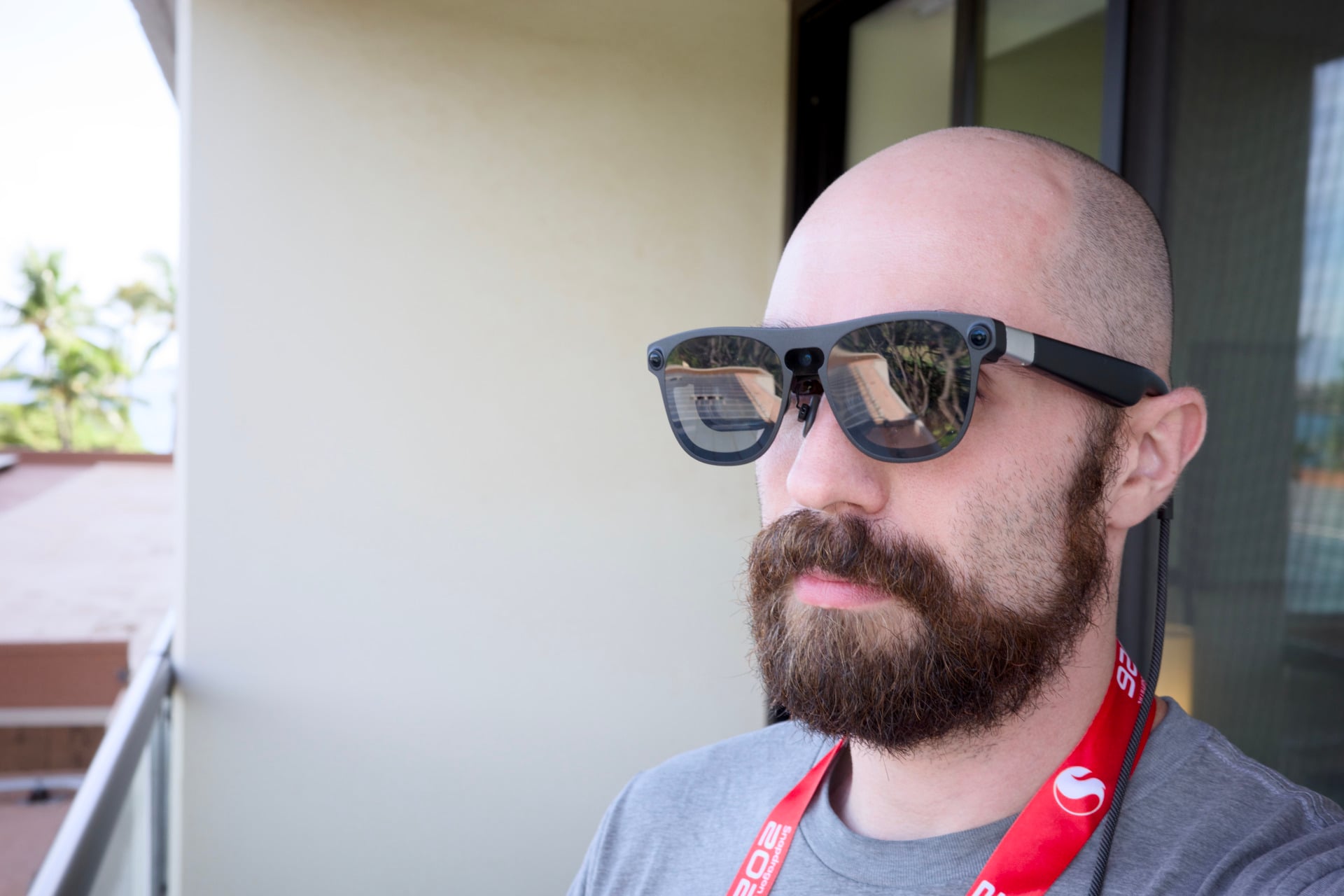
Snap Inc. and Xreal have each introduced a new pair of augmented‑reality glasses that promise immersive, hands‑free media experiences, but both devices look as though they belong in a tech‑enthusiast's garage rather than a commuter's daily wardrobe.
Snap's offering, dubbed Snap Specs, builds on the company's earlier Spectacles line and pairs a pair of lightweight frames with lenses that project Snapchat’s AR filters directly into the wearer’s line of sight. The glasses rely on a small onboard processor and a tethered connection to a smartphone, enabling users to overlay digital stickers, text and simple 3‑D objects onto the real world while recording video for the platform.
Xreal’s Aura takes a slightly different tack, featuring a more conventional glasses silhouette that houses a pair of micro‑displays and a detachable battery pack. The company markets the Aura as a portable visual‑display device for streaming video, gaming and productivity apps, with the ability to connect to a range of smartphones, laptops and gaming consoles via a USB‑C cable or wireless link.
Both products share a common set of limitations that keep them from blending seamlessly into everyday life. The field of view on each device is relatively narrow, meaning digital content appears as a small window rather than a true overlay of the environment. Battery life is modest, requiring frequent recharging or a carry‑along power brick, and the overall aesthetic—bulky frames with visible lenses and wiring—makes the glasses conspicuous in public settings.
The challenges faced by Snap and Xreal echo those that have hampered earlier AR head‑set attempts, from Google Glass’s privacy concerns to Microsoft HoloLens’s enterprise‑focused design. Consumer interest in wearable AR remains strong, but manufacturers continue to grapple with balancing display quality, comfort, battery endurance and price points that are acceptable for mass adoption.
Industry observers note that while the devices are unlikely to become mainstream fashion accessories anytime soon, they could find niche appeal among developers, content creators and early adopters who prioritize functionality over discretion. Snap Specs may attract users already invested in the Snapchat ecosystem, whereas Xreal Aura’s broader compatibility could make it a useful companion for mobile gamers and remote‑work setups.
As the race for practical AR eyewear intensifies, Xreal’s more conventional frame design appears marginally better suited for everyday use, but both products underscore how much work remains before augmented reality can be worn without drawing attention. Future iterations will need to address ergonomics, visual fidelity and social acceptability if they are to move beyond the lab and into the streets.



Comments (0)
Be the first to comment.
Join the discussion