Illinois data‑center boom promises 121,000 jobs but most are temporary, raising electricity costs for households
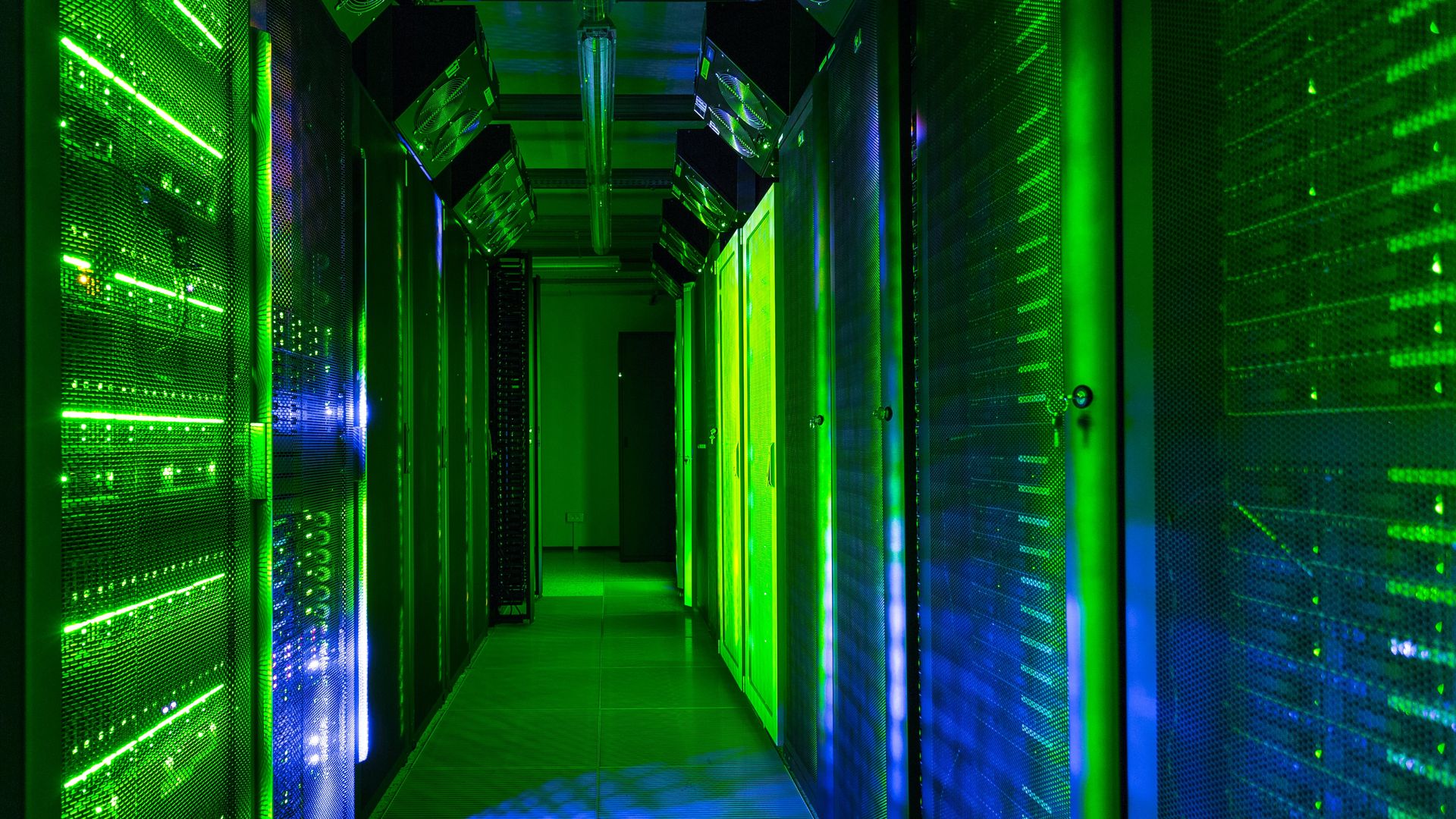
Illinois is preparing for a wave of data‑center construction that state officials say could create as many as 121,000 jobs across the next several years, a development described in a recent economic‑development report as a "data‑center explosion" that could reshape the state’s tech landscape.
The analysis makes clear that the bulk of those positions will be temporary. Only roughly 2,800 jobs are expected to survive beyond the build‑out phase, covering roles such as facility management, network operations and ongoing maintenance. The remainder are tied to construction, equipment installation and the short‑term staffing needs that accompany large‑scale projects.
Each of the enduring positions is linked to an estimated $20.2 million of capital outlay, according to figures from the Illinois Department of Commerce and Economic Opportunity. That investment includes the cost of servers, cooling infrastructure, backup power systems and the supporting fiber‑optic network that data centers rely on.
While the influx of construction dollars may stimulate local economies, the report also flags a potential downside for consumers. The Illinois Commerce Commission’s modeling suggests that the added electrical demand could lift the average household’s electric bill by about $150 a year. For a state where residential rates already sit above the national average, the incremental cost is likely to be felt most keenly by low‑income families.
Illinois has been courting the industry with a package of tax incentives, renewable‑energy credits and streamlined permitting processes. Proponents argue that the state’s central location, abundant fiber routes and relatively cool climate make it an attractive site for firms seeking to locate high‑density computing facilities while keeping cooling costs down.
Critics, however, caution that the promise of 121,000 jobs may be misleading if the majority are short‑lived. Consumer‑advocacy groups have called for a more detailed accounting of the net fiscal impact, warning that subsidies and tax breaks could be offset by higher utility bills and the need for additional grid upgrades.
Environmentalists add another layer of concern, noting that data centers are energy‑intensive and can strain the grid unless they are powered by renewable sources. The state’s recent push for solar and wind procurement aims to mitigate that risk, but the transition will require significant investment in storage and transmission infrastructure.
State legislators have pledged to monitor the rollout closely, with a view to adjusting incentive programs if the projected permanent job count falls short or if electricity costs rise faster than expected. The outcome of the data‑center surge will likely hinge on how quickly operators adopt more efficient cooling technologies and whether Illinois can balance economic growth with the cost burden on its residents.



Comments (0)
Be the first to comment.
Join the discussion