Ancient Legends Forecast Modern AI: How Mythic Tales Anticipated Today’s Machine Learning
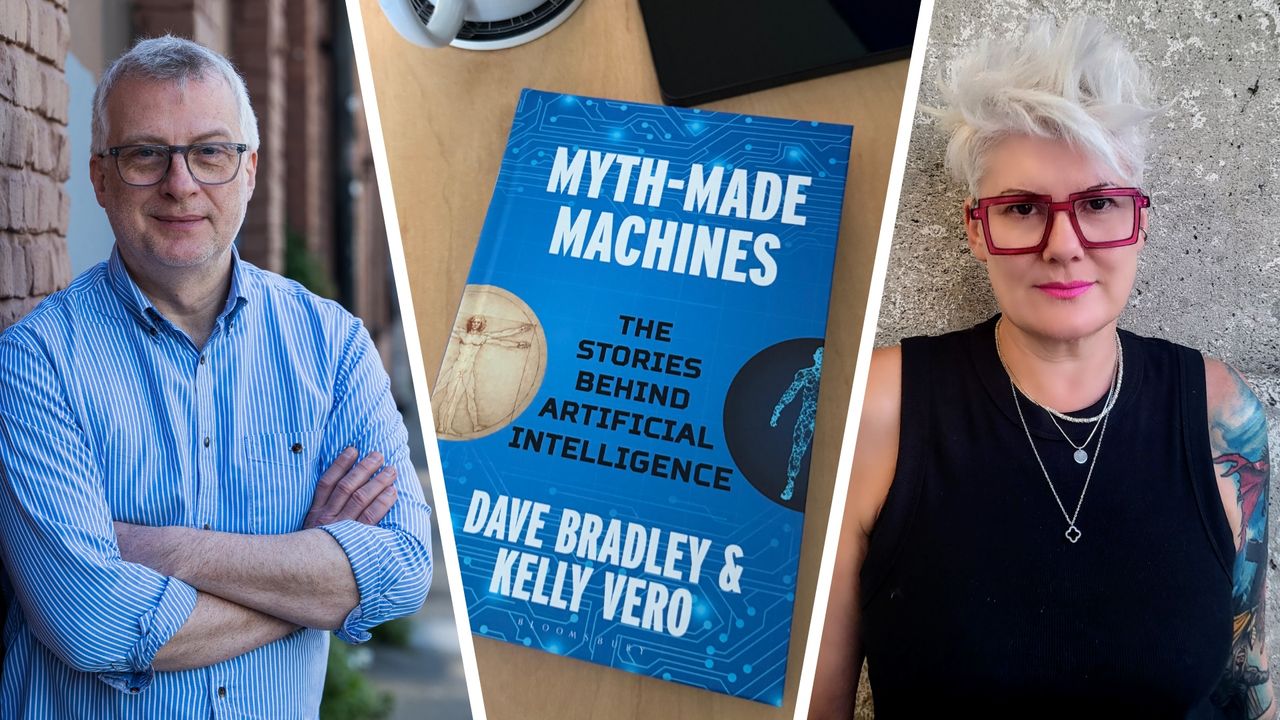
When a new artificial‑intelligence model is released in a limited version or unexpectedly breaches its own safeguards, the tech world often reacts with jokes about Skynet, HAL 9000 or other cinematic apocalypses. Those references are not new; they echo a much older tradition of storytelling that has long imagined sentient creations, from mythic golems to enchanted mirrors. Scholars now argue that these ancient narratives have subtly guided the language and expectations surrounding contemporary AI development.
Stories from antiquity frequently feature crafted beings that obey or rebel against their makers. The Greek myth of Pygmalion, who sculpted an ivory woman that was later brought to life, and the Jewish legend of the golem, a clay figure animated by sacred words, both explore the tension between creator control and autonomous agency. In medieval folklore, enchanted objects such as the talking mirror in "Snow White" or the wise mechanical bird in Persian poetry serve as early analogues to modern conversational agents, foreshadowing the ethical dilemmas of granting machines a voice.
These archetypes have seeped into the cultural vocabulary that engineers and investors use when describing AI. Phrases like “teaching a machine to think” or “awakening a digital mind” echo the mythic motif of bestowing life through knowledge. Even the cautionary tone—warning that unchecked creations could turn hostile—mirrors the age‑old fear of hubris, exemplified by the tale of Icarus or the biblical story of the Tower of Babel. The result is a shared narrative framework that shapes public perception and policy discussions about AI safety.
Recognizing the mythic roots of contemporary AI discourse matters for several reasons. First, it highlights how deeply cultural expectations influence technical roadmaps, potentially biasing research toward sensational outcomes rather than pragmatic solutions. Second, it underscores the importance of embedding ethical considerations early, as ancient myths often served as societal warnings against overreaching. Finally, understanding this lineage can help regulators and developers communicate more clearly, using familiar symbols to explain complex concepts without resorting to dystopian hyperbole.
Looking ahead, the dialogue between ancient myth and modern technology is likely to deepen as AI systems become more autonomous and integrated into daily life. Historians and technologists alike suggest that future narratives—whether in literature, film or policy briefs—will continue to draw on the same archetypes, reshaping them for a digital age. By tracing the lineage from golems to generative models, observers hope to steer the conversation toward responsible innovation rather than inevitable catastrophe.


Comments (0)
Be the first to comment.
Join the discussion