Self‑Driving Wheelchair Debuts at IFA 2026, Offering Autonomous Navigation for Users
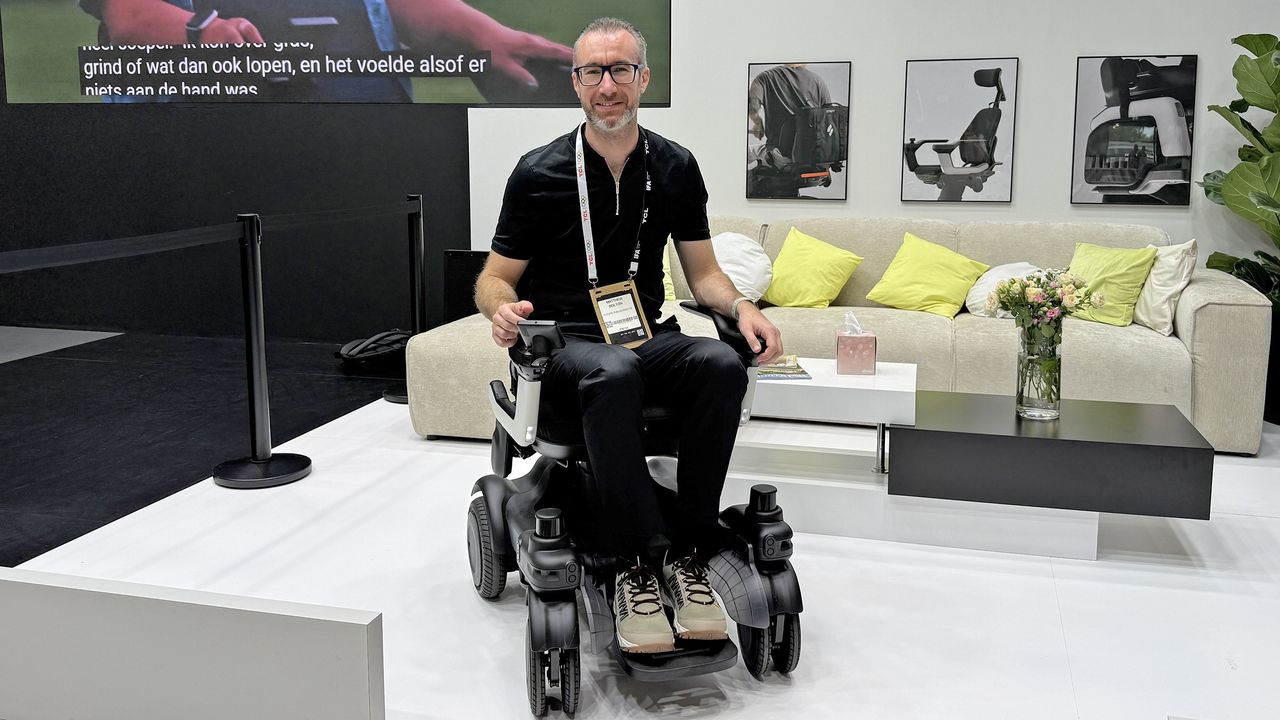
At this year’s IFA consumer‑electronics showcase in Berlin, German start‑up Strutt introduced the ev1c, a powered wheelchair that can drive itself, avoid obstacles and even be summoned on demand, positioning the device as a mobility analogue to Tesla’s Autopilot.
The ev1c combines sensor suites typical of robotic vacuum cleaners—such as lidar, infrared and ultrasonic rangefinders—with software pipelines derived from autonomous‑vehicle research. The integrated system maps its surroundings in real time, identifies people, walls and furniture, and charts a safe path without requiring manual steering. Users can call the chair via a smartphone app or a handheld controller, and it will travel to the requester’s location.
The launch arrives amid a widening market for assistive mobility solutions, driven by aging populations and a growing emphasis on independent living. Conventional wheelchairs rely on the user’s or a caregiver’s direct input, limiting freedom in crowded or unfamiliar environments. An autonomous platform promises to reduce the physical burden on users and expand access to public spaces that are often challenging for manual devices.
During a hands‑on demonstration, the reporter experienced a smooth, quiet ride through the bustling exhibition floor. The chair automatically slowed as it approached other attendees, rerouted around display stands, and stopped precisely at a pre‑designated spot when summoned. The experience was described as “autopilot for personal mobility,” highlighting how the technology abstracts the act of navigation while keeping the user in control of destination.
Strutt indicated that the ev1c will undergo further field testing later this year, with plans to seek regulatory approval for broader commercial release. Industry observers see the product as part of a larger trend that brings self‑driving capabilities from cars to everyday personal devices, potentially reshaping how people with mobility impairments move through public and private spaces.


Comments (0)
Be the first to comment.
Join the discussion