Turning 40 Triggers Lifestyle Reset as Habit‑Tracking App Gains Momentum
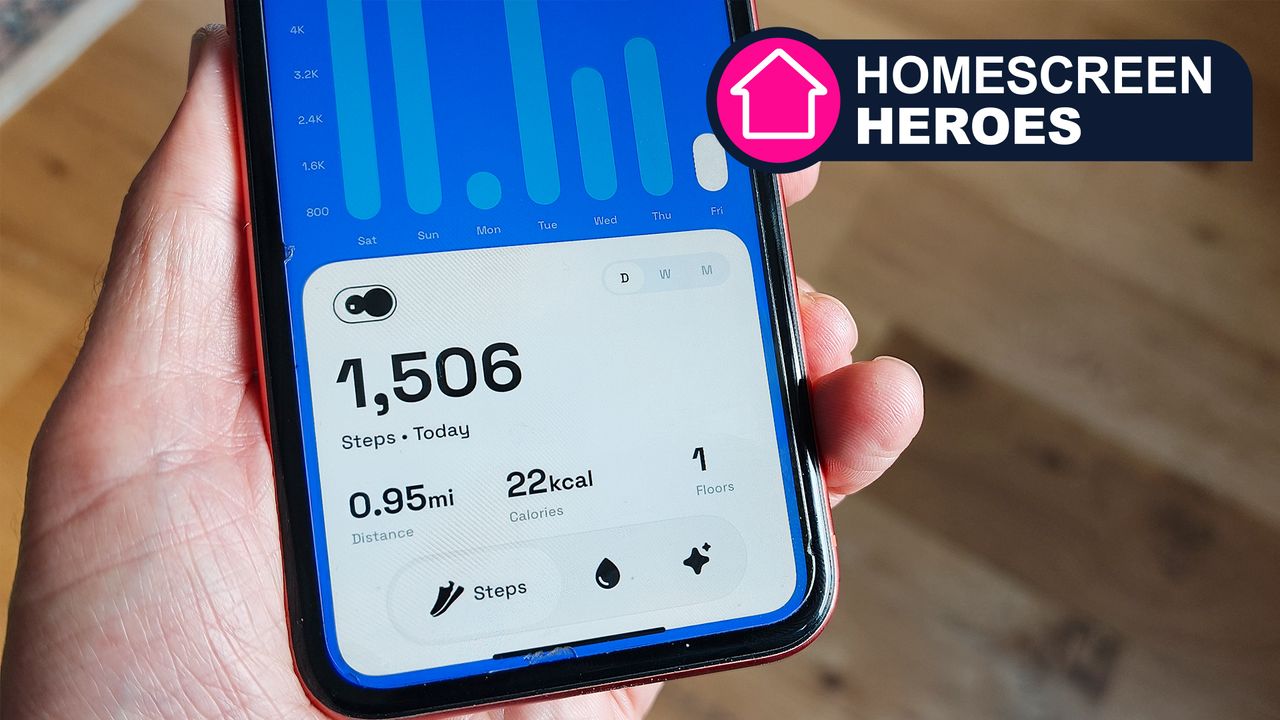
When a tech‑savvy reader celebrated his 40th birthday, he found that the milestone prompted a reassessment of daily routines, leading him to adopt a habit‑tracking application that nudges users toward more movement, regular hydration, and better sleep hygiene.
The app, which syncs with smartphones and wearable devices, prompts users to stand up and walk briefly each hour, log water consumption in small, frequent sips, and follow a series of micro‑behaviors such as placing the phone away from the bedside and flossing immediately after brushing. By breaking larger health goals into bite‑size actions, the platform leverages the psychological principle that consistent, modest changes are easier to sustain than sweeping overhauls.
Health professionals have long advocated for incremental habit formation, noting that the brain’s reward pathways respond more positively to frequent, low‑effort wins. Regular movement, even in short bursts, has been linked to improved circulation, reduced risk of chronic disease, and better mental focus. Likewise, steady water intake supports kidney function, skin health, and cognitive performance, while nighttime routines that limit screen exposure can enhance sleep quality.
For the 40‑year‑old user, the app’s reminders turned abstract intentions into concrete actions. He reported that standing up for a minute every hour felt manageable, that sipping water from a marked bottle helped him avoid the common pitfall of drinking too much at once, and that leaving his phone downstairs eliminated late‑night scrolling. Over the weeks, he observed modest increases in daily step counts and a steadier sense of energy throughout the day.
Industry analysts see this personal account as reflective of a broader shift. As baby boomers and Generation X enter middle age, many are turning to digital tools to address age‑related health concerns without committing to intense gym regimens or drastic diet changes. The market for habit‑tracking and wellness apps has grown steadily, driven by user demand for customizable, data‑driven guidance.
While the app’s efficacy hinges on user consistency, its design emphasizes low barriers to entry. Notifications are timed to avoid intrusiveness, and the interface rewards streaks of adherence with simple visual cues rather than gamified competition. This approach aligns with recent research suggesting that autonomy and personal relevance boost long‑term engagement.
Looking ahead, developers plan to integrate more personalized analytics, such as linking step data to cardiovascular risk assessments and offering adaptive water‑intake recommendations based on activity levels. Experts caution, however, that digital nudges are complementary tools, not substitutes for professional medical advice.
For individuals contemplating a health reset at any age, the story underscores how modest, technology‑assisted habits can accumulate into noticeable improvements in well‑being, especially when anchored to a clear personal milestone like a birthday.


Comments (0)
Be the first to comment.
Join the discussion