Reviving a 13‑inch iMac: Two Simple Upgrades Extend Its Life Amid Growing Tech Nostalgia
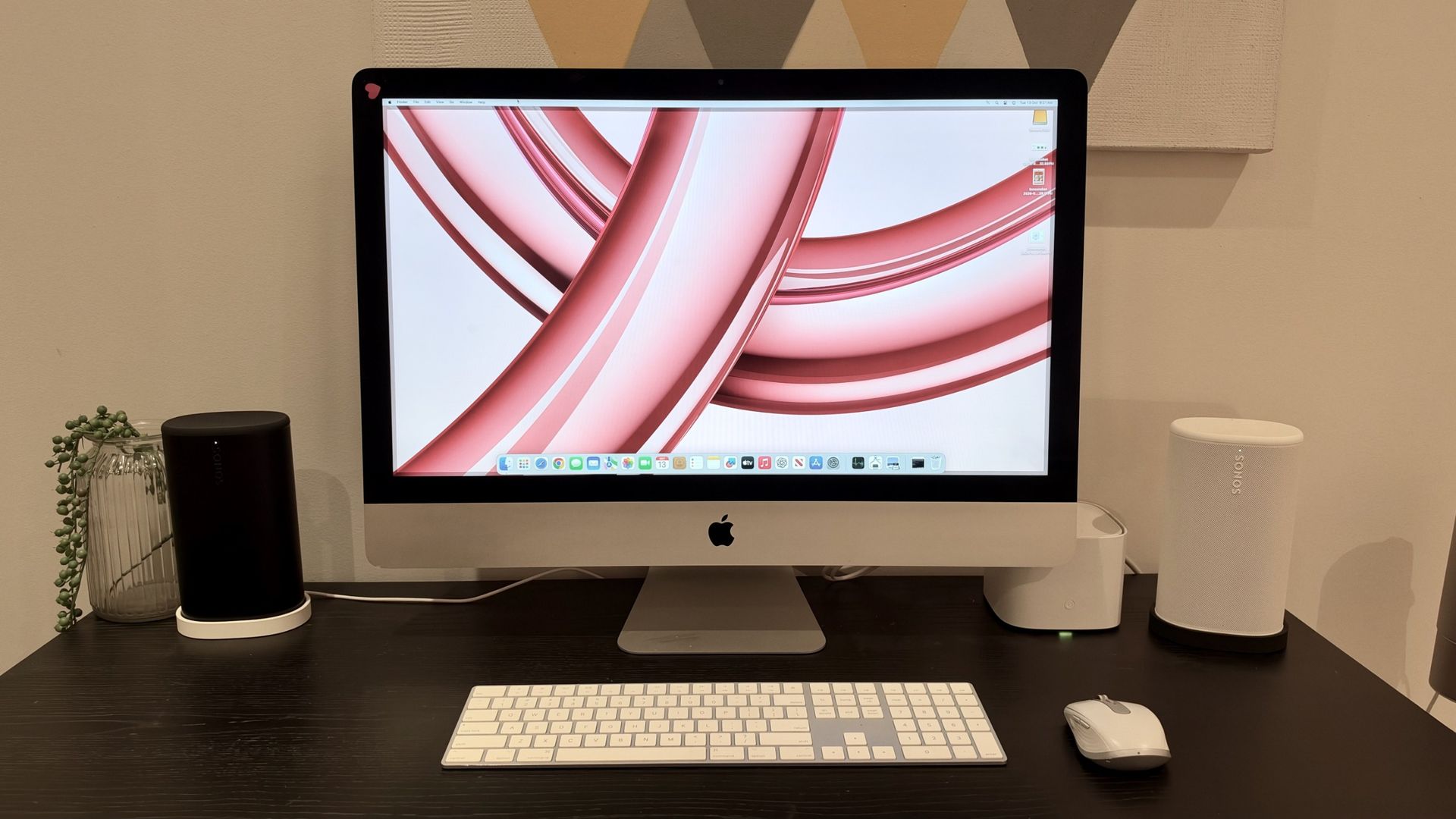
Amid a broader cultural swing toward retro technology, a 13‑inch iMac from the early 2010s received a fresh lease on life after a user installed an SSD and additional memory, sparking renewed discussion about the practicality of refurbishing older hardware.
The upgrades—replacing the original hard drive with a solid‑state drive and boosting the RAM to the model's maximum supported capacity—delivered noticeable improvements in boot times, application loading, and overall responsiveness. While the iMac’s design is over a decade old, the hardware modifications align with contemporary performance expectations for everyday tasks such as web browsing, media streaming, and document editing.
Tech enthusiasts have long pointed to the environmental and economic benefits of extending the usable lifespan of consumer electronics. By upgrading rather than discarding, users can avoid the e‑waste generated by short‑cycle device turnover and potentially save the cost of a new computer, which often runs several hundred dollars higher than the combined price of an SSD and compatible RAM modules.
Industry analysts note that the market for refurbished Apple products has grown alongside the nostalgia trend that also fuels the resurgence of film cameras, vinyl records, and even flip phones. The iMac’s all‑in‑one form factor, iconic design, and relatively straightforward upgrade path make it a prime candidate for such second‑life projects, especially for consumers who value aesthetics and are comfortable with modest performance demands.
However, the benefits are not universal. Older iMac models are limited by their graphics processors, display panels, and lack of support for the latest macOS features, which can restrict compatibility with newer software and security updates. For power users or professionals requiring intensive workloads, the performance ceiling may still fall short of modern standards, making a full replacement a more sensible choice.
Looking ahead, the practice of reviving legacy devices could influence manufacturers to design future products with modularity and upgradeability in mind, counterbalancing the current trend toward sealed, non‑serviceable hardware. For now, the successful SSD and RAM upgrade of a 13‑inch iMac illustrates that, in the right hands, a bit of tinkering can keep a nostalgic piece of technology functional and relevant in today’s fast‑moving digital landscape.



Comments (0)
Be the first to comment.
Join the discussion