Unbiased Audio Test Reveals Surprise Winner in Portable Speaker Showdown
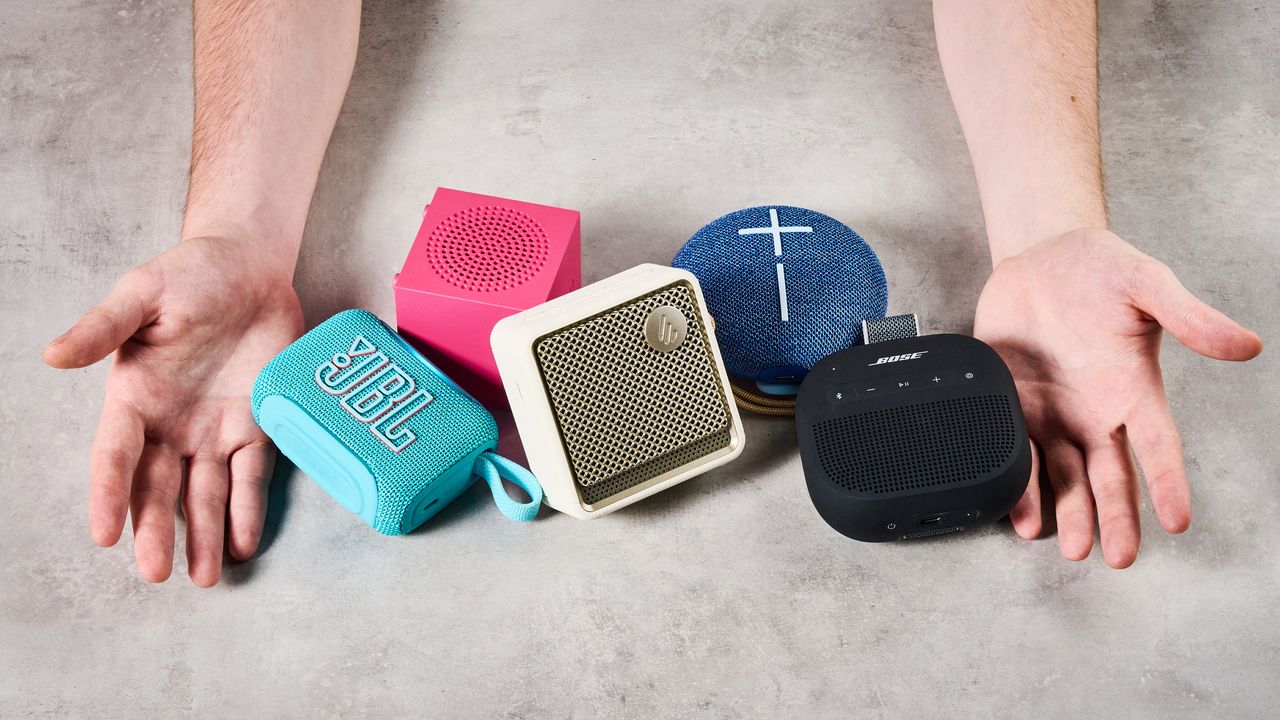
A recent blindfolded listening test, orchestrated by an experienced audio reviewer and involving four colleagues, has yielded unexpected results in the competitive realm of portable Bluetooth speakers. Contrary to widespread market perception and brand dominance, a prominent industry leader, JBL, did not emerge as the top performer when participants judged devices based purely on their auditory experience.
The unique experiment was meticulously designed to eliminate potential biases stemming from brand loyalty, aesthetic appeal, or price point. Participants were kept unaware of the specific brands or models under evaluation, ensuring their assessments were exclusively rooted in the sound quality perceived by their ears. This methodology aimed to provide an objective and unbiased appraisal of each speaker's sonic capabilities.
The lead reviewer, boasting a comprehensive background that includes evaluating over 50 distinct Bluetooth speakers, typically considers a broad array of criteria in their assessments. These usually encompass the range of features offered, the practical and visual merits of the design, and the overall value proposition relative to the asking price. However, for this particular comparative test, the singular focus was on the fidelity and quality of sound reproduction.
In a bustling consumer market often influenced by extensive marketing campaigns and established brand recognition, such an impartial approach offers invaluable insights. Consumers frequently develop preconceived notions linking certain brands with superior quality, and this test vividly illustrates how these preconceptions can unconsciously sway perception. By removing visual cues and brand identities, the study highlights the potential for lesser-known or alternative brands to truly excel on audio merit alone.
The findings carry significant implications for consumers, suggesting that a more discerning approach, prioritizing actual sound performance over brand reputation or auxiliary features, could lead to more satisfying portable speaker purchases. It advocates for a critical outlook on audio equipment, encouraging buyers to seek out independent listening tests or reviews that emphasize objective sound quality.
This outcome has the potential to prompt both consumers and manufacturers to re-evaluate the core attributes that truly define a 'best-in-class' portable speaker. While features and design undeniably contribute to the overall user experience, this blind test powerfully reaffirms that a speaker's fundamental purpose—delivering high-quality audio—remains paramount. It implies that advancements in sound engineering, rather than just marketing power, are what ultimately captivate listeners when all other factors are set aside.
Ultimately, the blind listening test serves as a compelling demonstration of the crucial value that unbiased evaluations bring to a technology landscape saturated with choices. It stands as a timely reminder that the most heavily advertised or widely acclaimed brand does not always guarantee the superior auditory experience, especially when judgment is entrusted solely to the ears.


Comments (0)
Be the first to comment.
Join the discussion