iPad Turns Into Portable Second Monitor for macOS and Windows Users
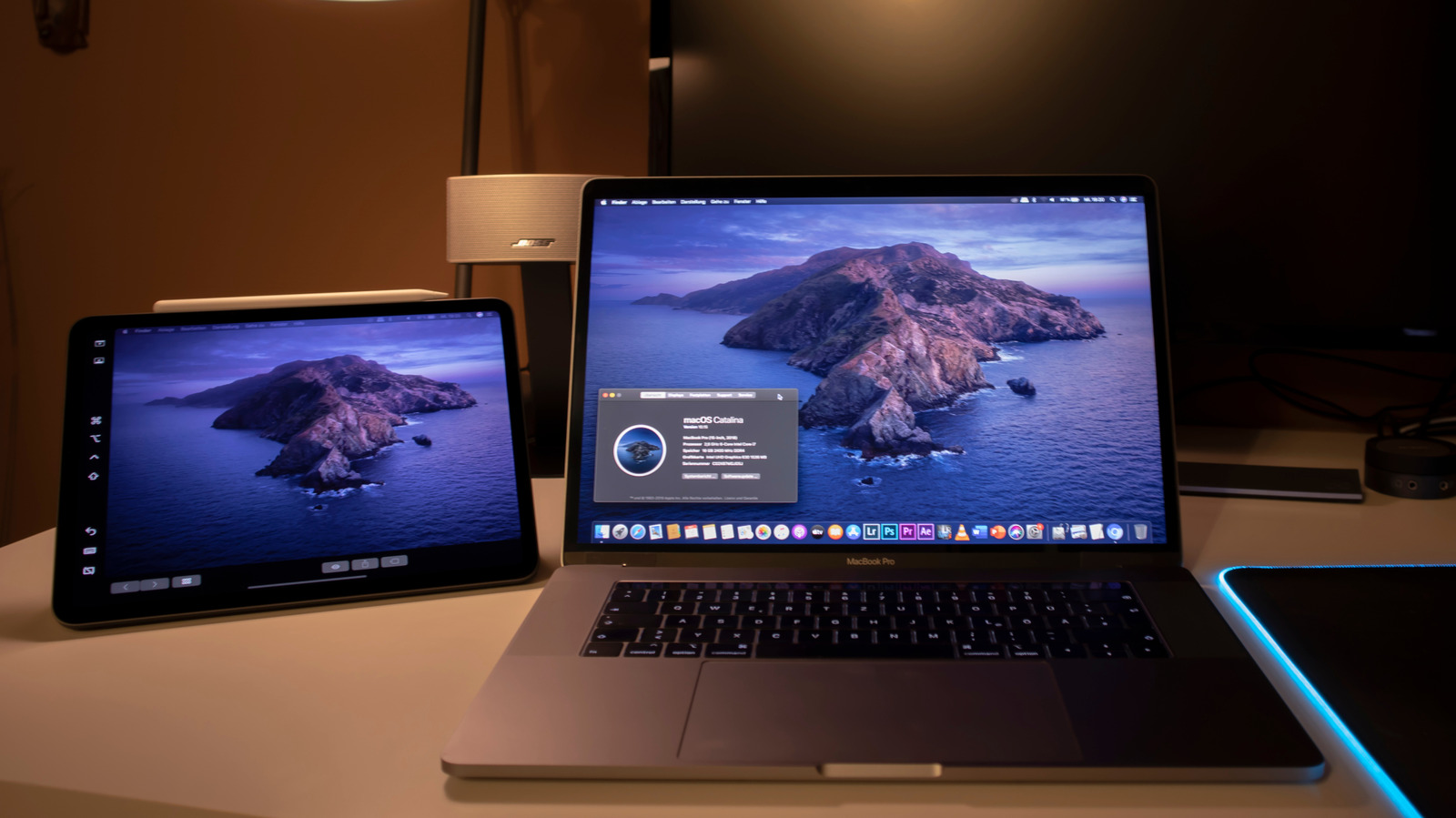
Apple’s tablet is gaining a new role beyond media consumption, as users discover it can serve as an auxiliary display for both Mac computers and Windows PCs, extending desktop real estate without the need for an additional monitor.
The capability leverages built-in features like Sidecar for macOS, which allows a compatible iPad to act as a wireless or wired extension of the Mac desktop. For Windows environments, third‑party solutions such as Duet Display and EasyCanvas have emerged, enabling the iPad to mirror or extend the screen over a USB‑C connection or via Wi‑Fi.
Tech analysts note that the appeal lies in the iPad’s high‑resolution Retina panel, touch input, and portability. Professionals who travel frequently can replace a bulky external monitor with a device that already fits in their bag, while students benefit from the ability to keep reference material on one screen while working on another.
Setting up the feature is straightforward for Mac users: after ensuring both devices are signed into the same Apple ID and meet the system requirements, Sidecar can be activated from the Displays pane in System Settings. Windows users must install the chosen companion app, follow the on‑screen pairing instructions, and may need to adjust display settings to optimize resolution and scaling.
Security and performance considerations have been raised. Wired connections typically deliver lower latency and higher frame rates, which is crucial for tasks such as graphic design or video editing. Wireless setups, while more convenient, can suffer from occasional lag depending on network conditions, prompting some experts to recommend a dedicated USB‑C cable for mission‑critical work.
Looking ahead, industry observers expect deeper integration as Apple expands its ecosystem and as third‑party developers refine cross‑platform display tools. The growing trend of using tablets as secondary screens reflects broader shifts toward flexible, modular workspaces, and could influence future hardware designs that prioritize multi‑device synergy.


Comments (0)
Be the first to comment.
Join the discussion