Super‑El Niño Forecast Signals Unusual Snowfall Patterns Across the United States This Winter
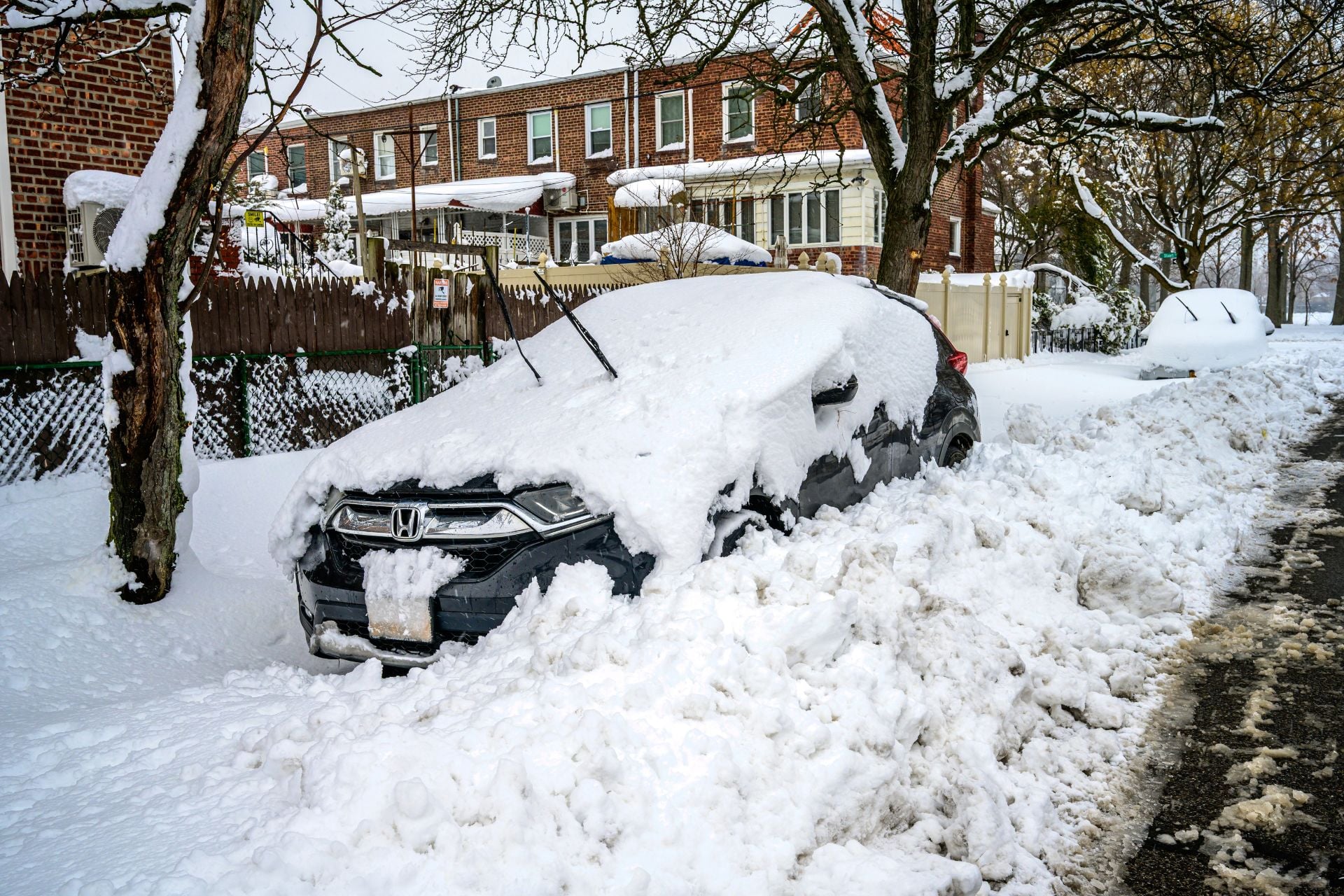
A powerful El Niño event, described by climatologists as a "super" episode, is set to dominate the upcoming winter season, raising expectations of significant shifts in snowfall distribution throughout the United States. Seasonal outlooks from the National Oceanic and Atmospheric Administration (NOAA) and the Climate Prediction Center highlight that the most pronounced impacts of El Niño typically emerge during the cold months, when ocean‑atmosphere interactions can reshape storm tracks and precipitation regimes.
El Niño, the warm phase of the El Niño‑Southern Oscillation (ENSO), is characterized by unusually warm sea‑surface temperatures in the central and eastern Pacific Ocean. When those anomalies reach extreme levels, as they have this year, the resulting atmospheric response can alter the jet stream, steering winter storms farther south or east than usual. Historically, strong El Niño winters have produced wetter conditions in the southern tier of the country and drier, milder weather in the northern Rockies.
Forecasters now warn that the current super‑El Niño could invert some of those patterns. Models suggest an enhanced subtropical jet that may channel moisture into the Pacific Northwest, potentially delivering heavier snowfall to the Cascades and northern California. At the same time, the northern Plains and Upper Midwest could see a reduction in cold air intrusions, limiting snow accumulations that typically accompany Arctic outbreaks.
For the Rocky Mountains, the outlook is mixed. While the southern Rockies often enjoy increased snowfall during moderate El Niño events, the unprecedented warmth of this cycle could suppress the deep cold needed for high‑altitude snow, especially at elevations above 9,000 feet. Conversely, the Sierra Nevada may benefit from a stronger storm track that brings moist, low‑level air from the Pacific, raising the likelihood of early‑season snowpacks that are crucial for water supply in the western states.
Experts caution that the exact outcomes remain uncertain, as regional topography and short‑term atmospheric variability can modulate the broader ENSO signal. Nevertheless, the consensus among meteorologists is that the super‑El Niño will make winter weather more volatile, with some regions experiencing record snowfall while others contend with unusually dry, warm conditions. As the season unfolds, agencies such as NOAA will continue to update seasonal forecasts, providing communities, ski resorts, and water managers with the data needed to adapt to a potentially atypical winter.


Comments (0)
Be the first to comment.
Join the discussion