Google Unveils ‘Googlebook,’ a Hybrid ChromeOS‑Android Laptop Aimed at the High‑End Market
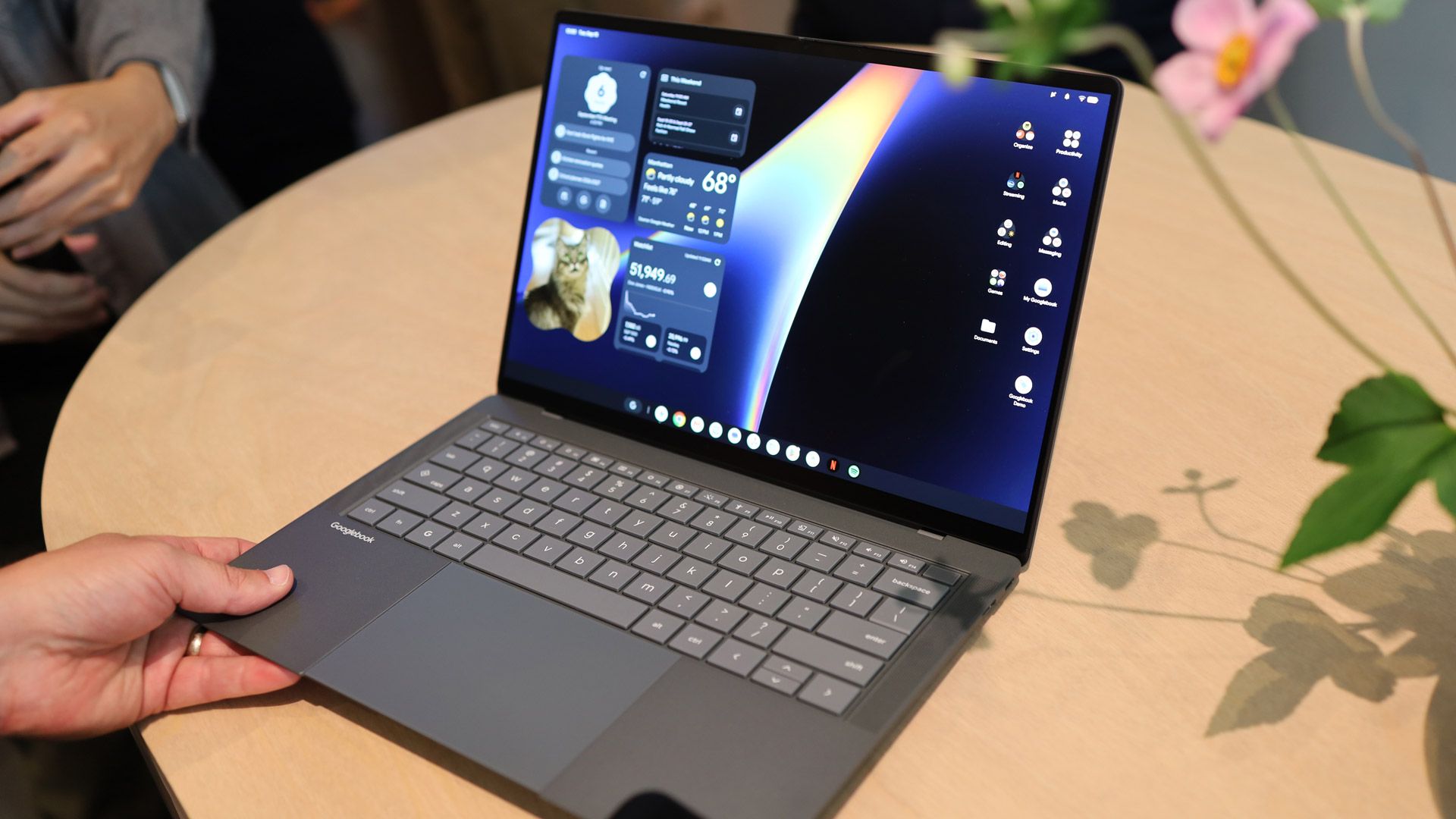
Google introduced a new laptop concept, dubbed the Googlebook, at a hands‑on showcase led by Sameer Samat, the company’s President of Android Ecosystem. The prototype line‑up, consisting of five units arranged on a display table, combined the ChromeOS platform with the Android operating system, signalling the firm’s intent to blur the line between traditional laptops and mobile tablets.
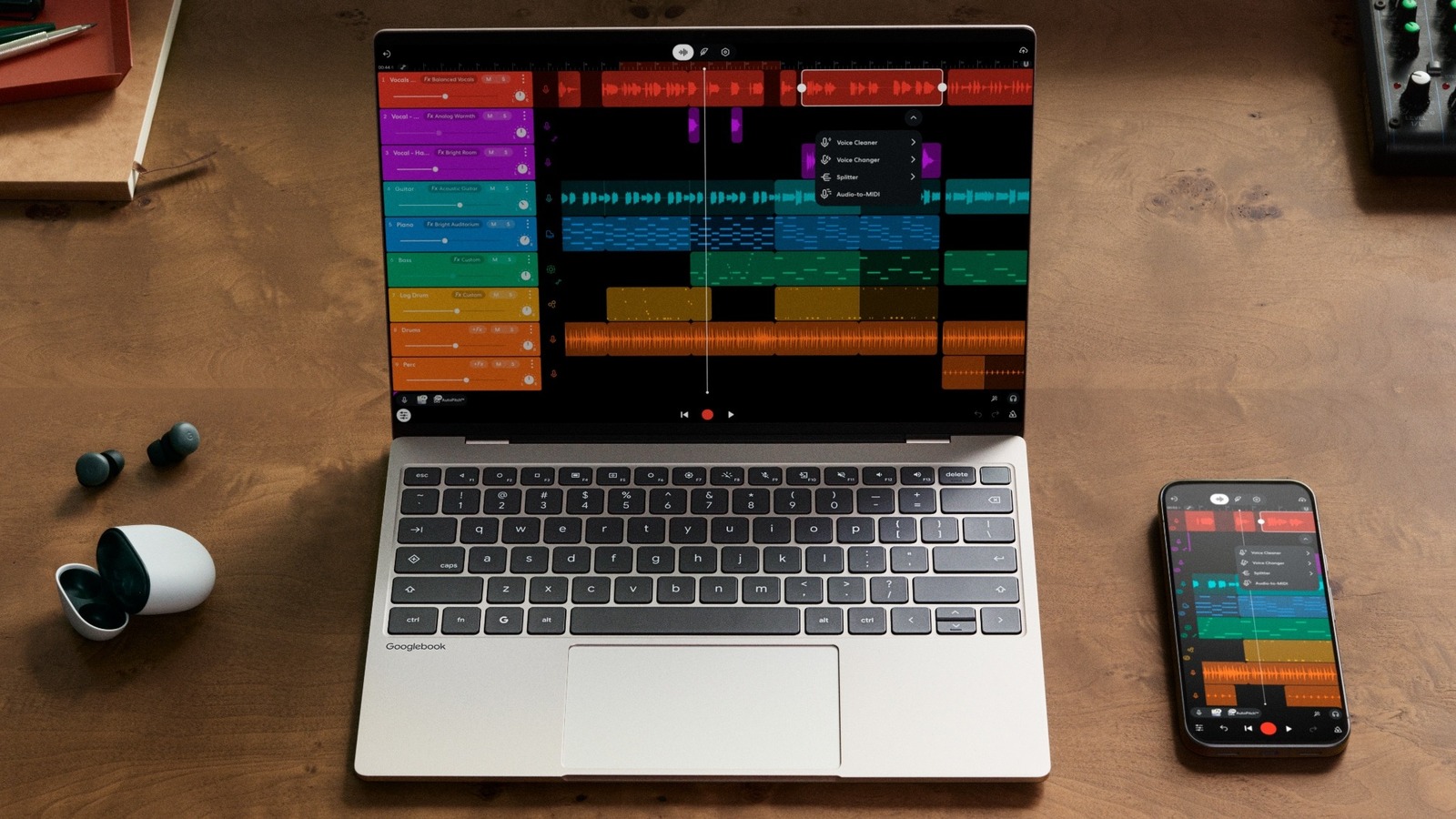
According to Samat, the devices feature a bright, high‑resolution screen that caught his eye as he greeted attendees. While he declined to disclose detailed specifications, observers noted a sleek, aluminum‑styled chassis and a keyboard layout that mirrors contemporary ultrabooks. The hybrid software stack allows users to launch Android apps directly alongside ChromeOS web tools, promising a seamless experience for both productivity and entertainment.
The move reflects Google’s long‑standing effort to integrate Android applications into ChromeOS, a capability that has gradually expanded over recent years. By merging the two ecosystems in a single form factor, the Googlebook could address a persistent gap: users who rely on Android’s extensive app library but also need a full‑featured laptop environment for tasks such as document editing, coding, or video conferencing.
Industry analysts view the announcement as a direct challenge to premium laptops like Apple’s MacBook line, which continues to dominate the high‑end segment. Google’s strategy appears to leverage its strengths in cloud services and a massive Android developer community, offering a device that could appeal to students, professionals, and enterprises seeking a versatile, cost‑effective alternative.
While Google has not released pricing or a launch timetable, the presence of multiple prototype units suggests the company is moving beyond a mere concept. The firm is likely to refine hardware components and software integration based on feedback from this early demonstration, with a commercial rollout possibly slated for later this year or early next.
Experts caution that success will depend on how smoothly Android apps run on the ChromeOS core and whether developers optimize their software for the hybrid environment. Nevertheless, the Googlebook represents a noteworthy step toward a more unified device ecosystem, and its reception could shape the future direction of Google’s hardware ambitions.

Comments (0)
Be the first to comment.
Join the discussion