Georgia Resident Alleges Law Enforcement Monitored Him With Flock Cameras After Filing Lawsuit
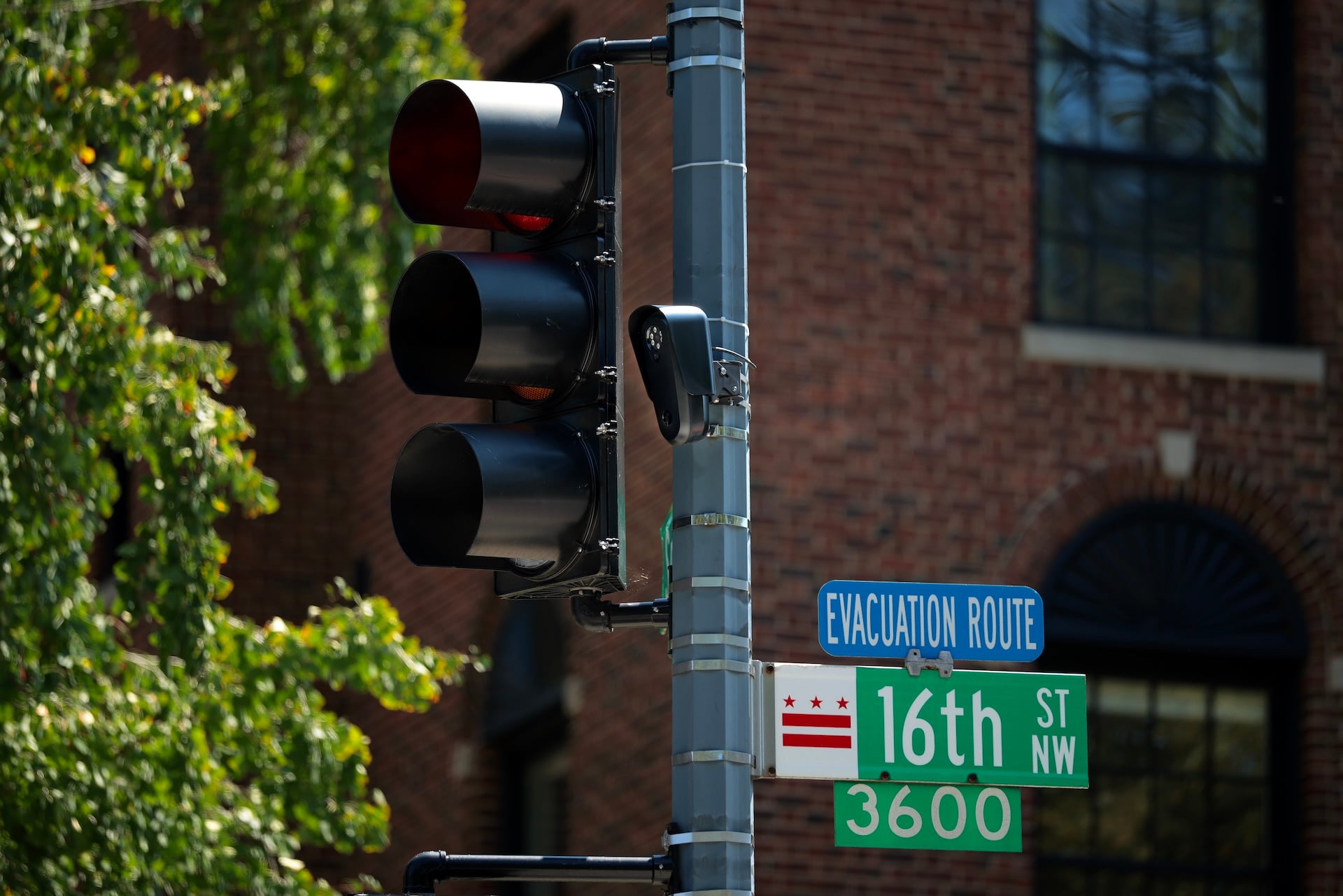
A man from Georgia has filed a formal complaint claiming that county deputies used publicly available Flock surveillance footage to keep tabs on him after he sued the local sheriff's office. The plaintiff says the tracking began shortly after he submitted legal papers alleging misconduct by the sheriff's department, and he has since noticed repeated appearances of law‑enforcement vehicles near his home and workplace.
The complainant, who prefers to remain unnamed pending the outcome of the case, asserts that deputies accessed the Flock platform—an online service that aggregates live feeds from traffic and municipal cameras—to pinpoint his whereabouts. According to his filing, the alleged monitoring included reviewing footage from intersections and public streets where he was known to travel, effectively creating a digital trail of his movements.
In addition to the alleged digital surveillance, the man alleges that officers physically followed him on multiple occasions. He describes seeing marked police cars idling near his residence and trailing him during routine errands, actions he interprets as intimidation intended to deter him from pursuing the lawsuit. No official comment has been released by the sheriff's office, which typically defends its investigative methods as lawful and consistent with public‑record policies.
The claim raises broader questions about the use of open‑source surveillance tools by law‑enforcement agencies. While many municipalities make traffic camera feeds accessible to the public for safety and traffic‑management purposes, the extent to which officers can repurpose that data for investigations is not uniformly regulated. Civil‑rights groups have warned that unchecked access could blur the line between public transparency and invasive monitoring, especially when directed at individuals engaged in legal actions against government entities.
Legal experts note that the outcome of the man's complaint could set a precedent for how agencies handle publicly available video streams. If a court finds that the deputies' actions exceeded permissible investigative boundaries, it may prompt policy revisions or stricter oversight of surveillance‑data usage. The case remains pending, and the plaintiff plans to seek a court order prohibiting any further monitoring while the lawsuit proceeds.



Comments (0)
Be the first to comment.
Join the discussion