Gaming Routers: Stylish Gadgets or Network Game‑Changers?
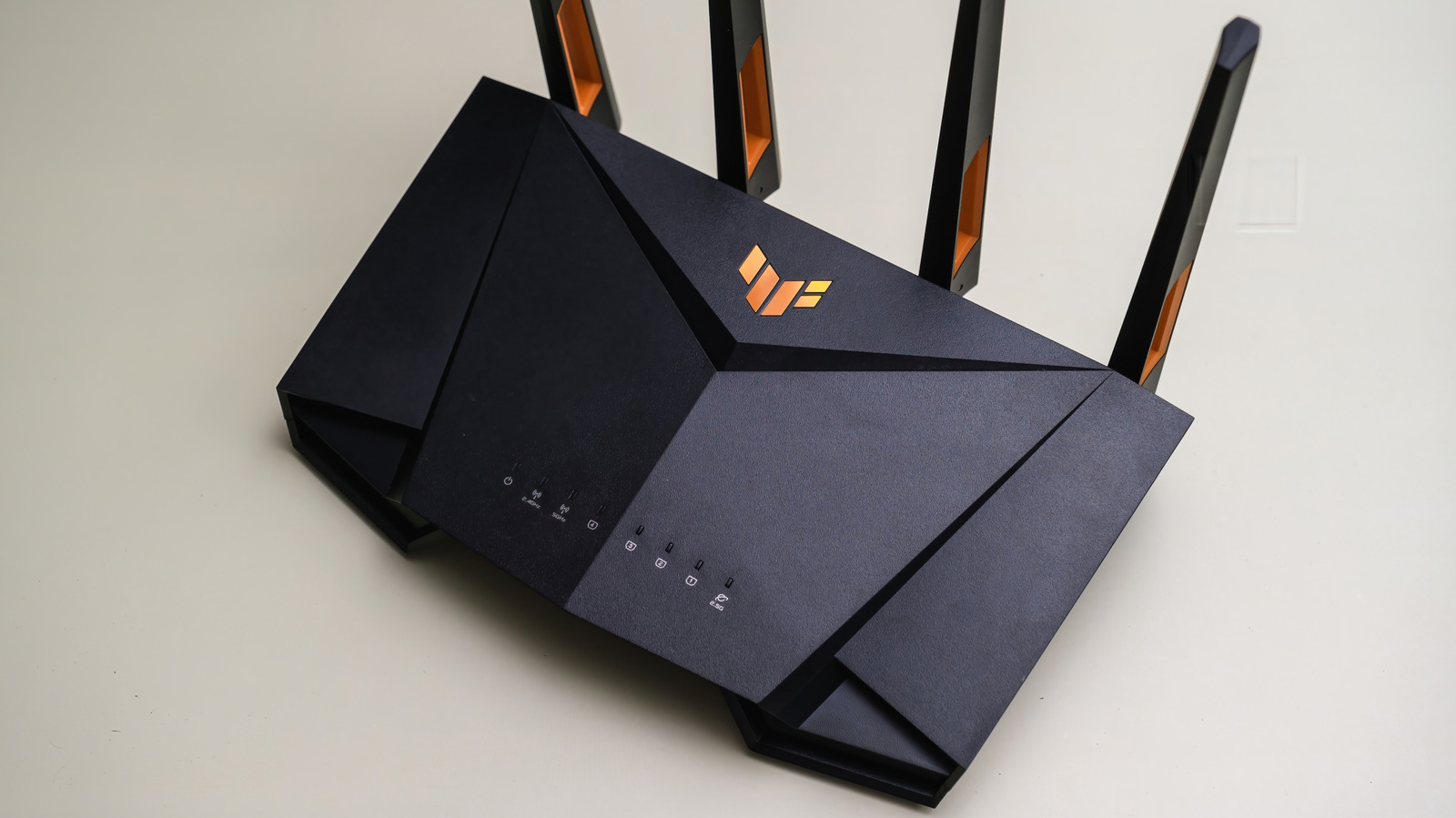
Gaming‑focused routers have become a noticeable trend in consumer networking, boasting eye‑catching designs and a suite of features marketed as solutions for lag‑prone online play. Yet, despite the hype, these devices often fall short of delivering a universal fix for the myriad issues that can affect a home network's performance.
Manufacturers typically highlight capabilities such as advanced Quality of Service (QoS) algorithms, dedicated gaming bandwidth channels, and higher‑speed Wi‑Fi standards like Wi‑Fi 6 or Wi‑Fi 6E. Aesthetic touches—flashing LEDs, angular chassis, and gamer‑oriented branding—are also common, positioning the hardware as a status symbol for enthusiasts. While these specifications can provide incremental improvements, the core hardware inside many gaming routers mirrors that of premium non‑gaming models, meaning the performance ceiling is often dictated by factors beyond the router itself.
Real‑world testing, including assessments referenced by technology outlets, shows that the most noticeable gains from a gaming router appear when the device is used in a well‑optimized environment. A wired Ethernet connection, for instance, sidesteps most wireless interference and typically offers the lowest latency, rendering many of the wireless‑focused features moot. Even on Wi‑Fi, the benefits of newer standards can be limited by the distance to the device, wall materials, and the number of competing networks on nearby channels.
Network bottlenecks frequently stem from the broadband service provider, the overall bandwidth plan, or the sheer volume of devices sharing the connection. In such cases, a high‑end router cannot compensate for an under‑provisioned ISP pipe or congested local traffic. Likewise, poorly configured settings—such as mismatched channel selections or disabled QoS—can negate any theoretical advantage a gaming router might have.
For consumers weighing the purchase, experts advise a step‑wise approach: first, ensure the ISP plan meets the household’s usage demands; second, position the router centrally and minimize physical obstructions; third, prioritize wired connections for latency‑sensitive gaming; and finally, consider a router with robust QoS and Wi‑Fi 6 support if wireless performance is essential. If those measures still leave performance lacking, a gaming‑branded router may provide modest gains, but expectations should be tempered.
Looking ahead, the market is likely to see continued integration of gaming‑oriented features into mainstream routers, blurring the line between niche and general‑purpose hardware. As Wi‑Fi standards evolve and mesh networking becomes more prevalent, the emphasis may shift from flashy designs to smarter, AI‑driven traffic management that benefits all users, gamers included.



Comments (0)
Be the first to comment.
Join the discussion