Florida Prohibits Flock License‑Plate Cameras on State Roads
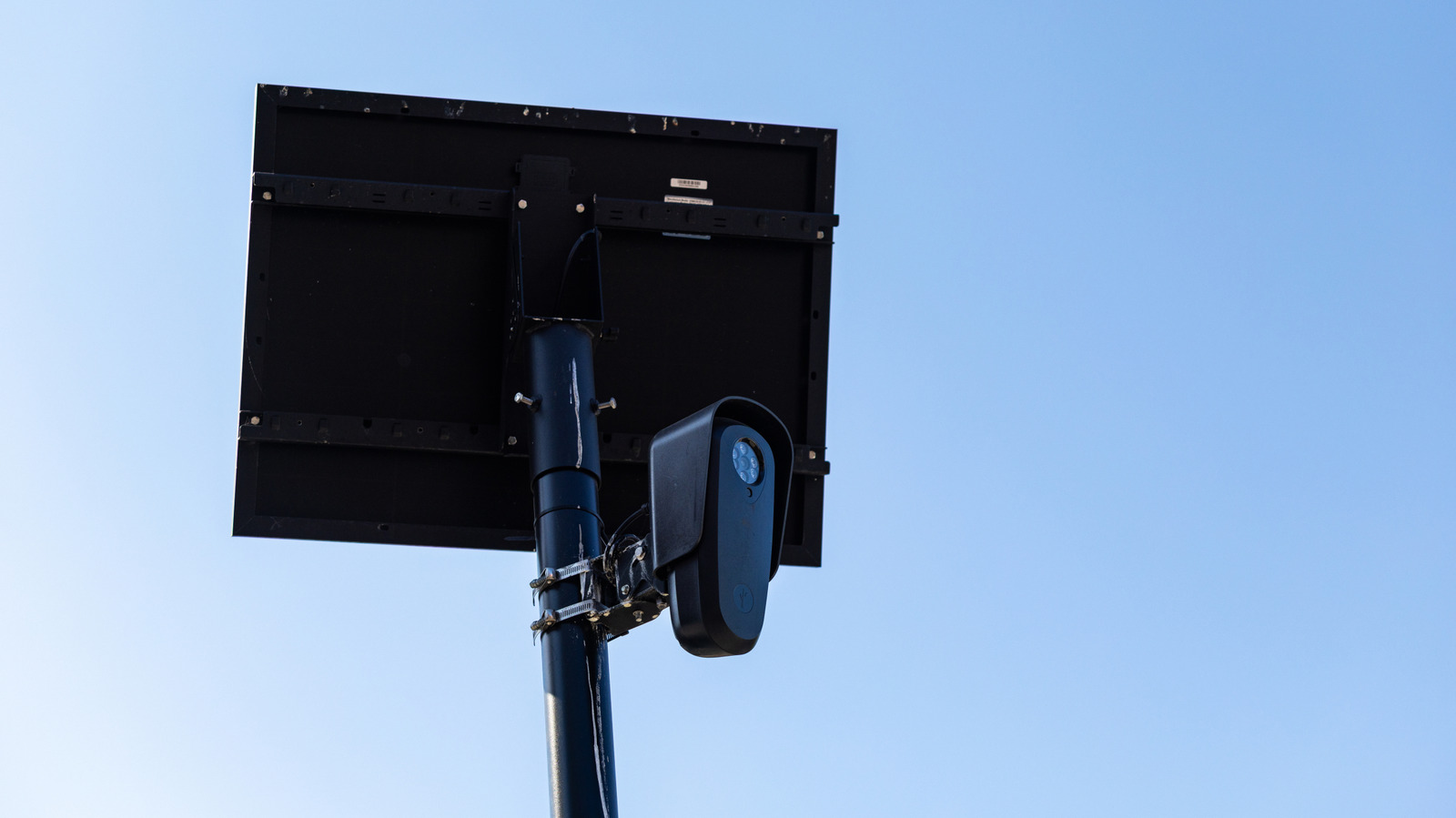
Florida has moved to bar the deployment of Flock brand license‑plate readers on all state‑maintained highways, joining a wave of municipalities and states that have curtailed the technology amid mounting privacy concerns.
Flock cameras, which capture and automatically process vehicle registration plates, have been marketed to law‑enforcement agencies as tools for identifying stolen cars, locating wanted suspects, and enforcing traffic violations. The devices store plate data in centralized databases, allowing for cross‑referencing with criminal records and other surveillance feeds.
The ban arrives after a growing backlash against automated plate readers across the United States. Cities such as San Francisco, Portland and Austin have enacted restrictions or outright prohibitions, citing fears that the technology enables pervasive tracking without adequate oversight. State legislatures in Maryland and Colorado have also introduced measures to limit their use, reflecting a broader national conversation about the balance between public safety and individual privacy.
Florida officials cited concerns that the widespread placement of these readers could create a de facto network of continuous vehicle monitoring, potentially exposing motorists to unwarranted scrutiny. Advocacy groups have warned that data collected by such systems can be repurposed for unrelated investigations, commercial profiling, or even sold to third parties, despite assurances from manufacturers about strict data‑retention policies.
Implementation of the ban will require state police and transportation departments to cease installation of new Flock units and to remove existing devices from the road network. The decision is expected to affect a modest portion of the state’s traffic‑enforcement budget, as many agencies have relied on the technology for automated red‑light and speed‑limit violations. Officials say they will continue to explore alternative methods that preserve both safety and privacy.
Legal challenges are possible, with industry representatives arguing that the prohibition interferes with law‑enforcement capabilities. Meanwhile, other states are watching Florida’s approach as a potential template for their own policies. The outcome may shape future legislation on surveillance tools, prompting a more nuanced dialogue about how technology can serve public security without eroding civil liberties.



Comments (0)
Be the first to comment.
Join the discussion