Far‑Right Rhetoric Shifts to Targeting “Algorithmic Immigrants” in Data Center Narrative
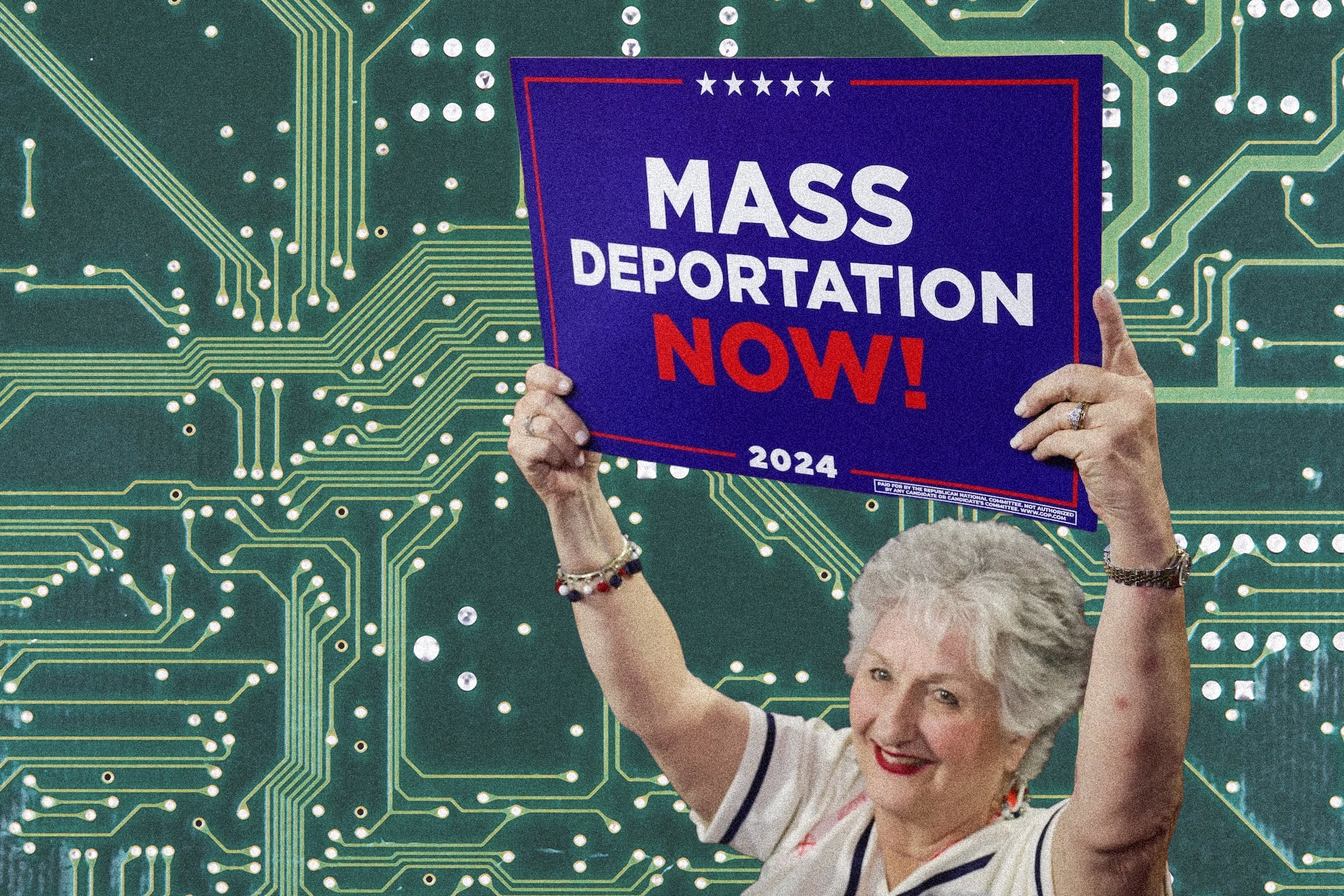
During a recent gathering of far‑right activists, a speaker identified as Joe Allen, a known associate of former strategist Steve Bannon, warned that modern data centers are becoming "incubators for algorithmic immigrants." The comment marked a notable turn in the movement's anti‑immigration messaging, extending its focus to the digital infrastructure that underpins artificial intelligence and cloud computing.
Allen’s phrasing borrows the movement’s traditional language of cultural preservation and frames advanced computing resources as a new form of unwanted migration. By likening servers and machine‑learning models to people crossing borders, the speaker seeks to rally a base that has long been skeptical of globalization, now directing its anxieties toward the unseen labor of algorithms that power everything from social media feeds to predictive policing.
The shift reflects broader concerns among some right‑wing circles that technology is eroding national sovereignty. Critics argue that the narrative conflates complex technical processes with the human experience of immigration, creating a scapegoat for broader economic and cultural changes. Industry analysts note that data centers are typically located in regions chosen for cheap electricity and cooling, not for demographic reasons, and that the “algorithmic immigrants” label has no basis in the actual composition of AI development teams.
Historically, the far‑right’s anti‑immigration stance has centered on physical borders and labor markets. Recent years, however, have seen the movement adopt rhetoric around “tech sovereignty” and “digital colonization,” suggesting that foreign entities—whether nation‑states or multinational corporations—are infiltrating domestic infrastructure. Allen’s comment ties these themes together, portraying the cloud as a gateway for an invisible influx that threatens cultural identity.
Observers point out that the rhetoric may be designed to galvanize supporters ahead of upcoming electoral cycles, where technology policy is becoming a battleground. Legislators in several states have already introduced bills to increase transparency of AI systems and limit foreign investment in critical data facilities. The new narrative could influence public opinion on such measures, framing regulation as a defense against an alleged digital invasion.
While the claim that data centers host “algorithmic immigrants” lacks empirical support, its impact on public discourse could be significant. Advocacy groups warn that sensationalist language may distract from genuine concerns about privacy, security, and the ethical use of AI. As the conversation evolves, policymakers and tech leaders will need to address both the real technical challenges and the political narratives that seek to shape them.



Comments (0)
Be the first to comment.
Join the discussion