Experts Advise Routine Replacement of Surge Protectors to Safeguard Home Electronics
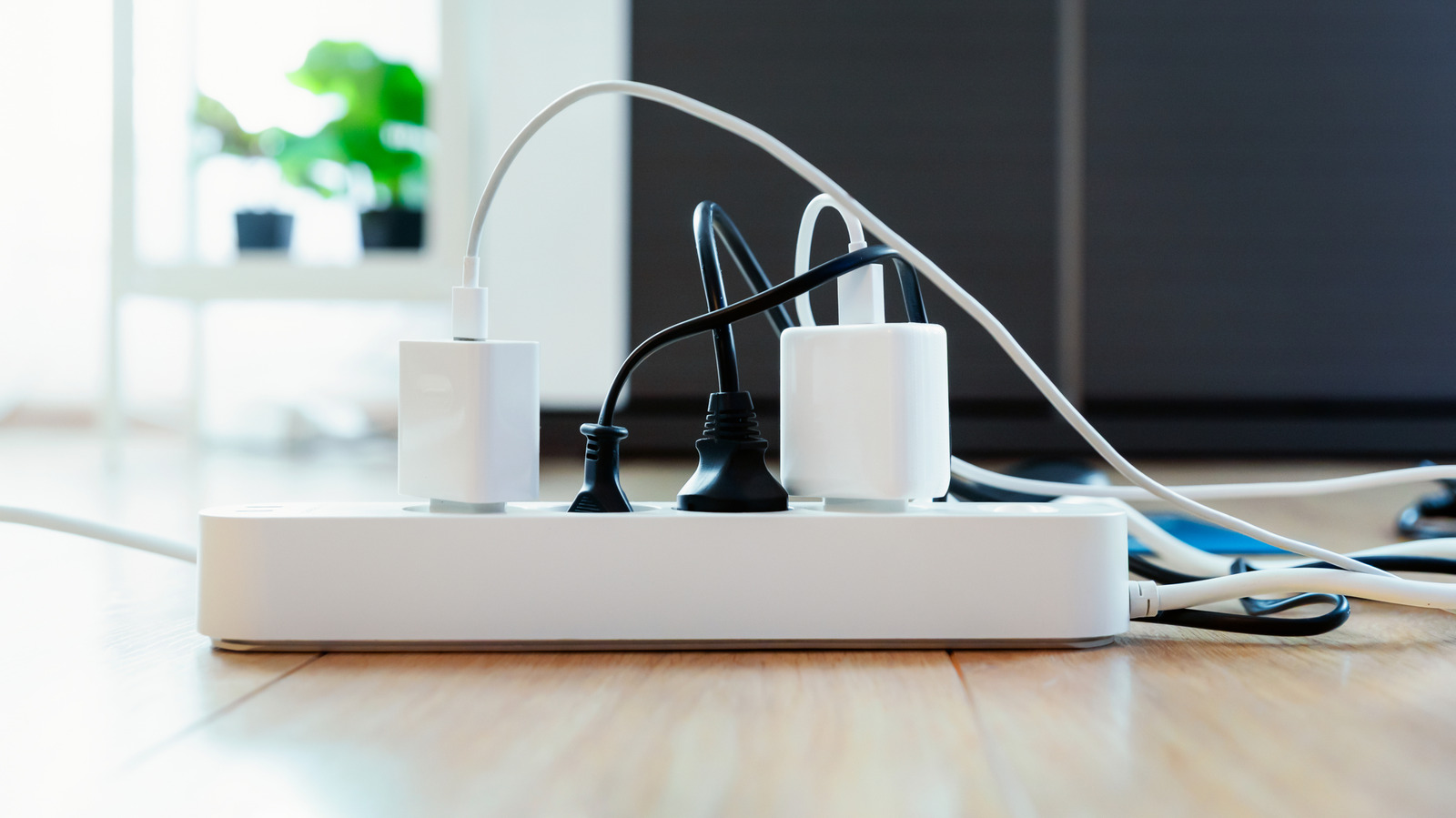
Consumer safety groups and electronics manufacturers are urging homeowners to treat surge protectors as consumable items, recommending replacement every two to three years even when the devices show no outward signs of wear.
Surge protectors work by diverting excess voltage away from connected equipment, typically using metal‑oxide varistors (MOVs) or gas‑discharge tubes that clamp voltage spikes. Each time a surge is absorbed, the protective component loses a fraction of its capacity, a process that is invisible to the eye but cumulative over time.
Industry testing has demonstrated that a protector’s ability to clamp voltage can decline dramatically after repeated exposure to minor surges—such as those caused by routine appliance cycling—or after a single large event like a lightning strike. Because the internal components degrade internally, the indicator lights that many models feature are not a reliable gauge of remaining protection.
Continuing to rely on an aging protector can leave high‑value devices—computers, home theaters, medical equipment—vulnerable to damage. In worst‑case scenarios, a failed protector can become a fire hazard, especially if the device is overloaded or placed in a confined space. Given the average household’s growing dependence on electronic gear, the potential cost of a single failure can far exceed the price of a new protector.
Consumers are encouraged to keep receipts, note the purchase date, and replace protectors after major storms or when a device’s warranty expires. Some experts also suggest pairing a surge protector with an uninterruptible power supply (UPS) for critical equipment, as UPS units often include built‑in surge protection and provide backup power during outages.
As the market for smart home and IoT devices expands, the need for reliable voltage protection will only increase. While manufacturers are exploring longer‑lasting protection technologies, the current consensus remains that proactive replacement is the most straightforward way to ensure that the devices meant to shield our electronics do not become the weak link in home power safety.
%20ILLUSTRATION%20Isadora-Ayesa%20Lima%20SOURCE%20Amazon.jpg)


Comments (0)
Be the first to comment.
Join the discussion