Experts Advise Gentle Methods Over Harsh Chemicals for Smartphone Sanitization
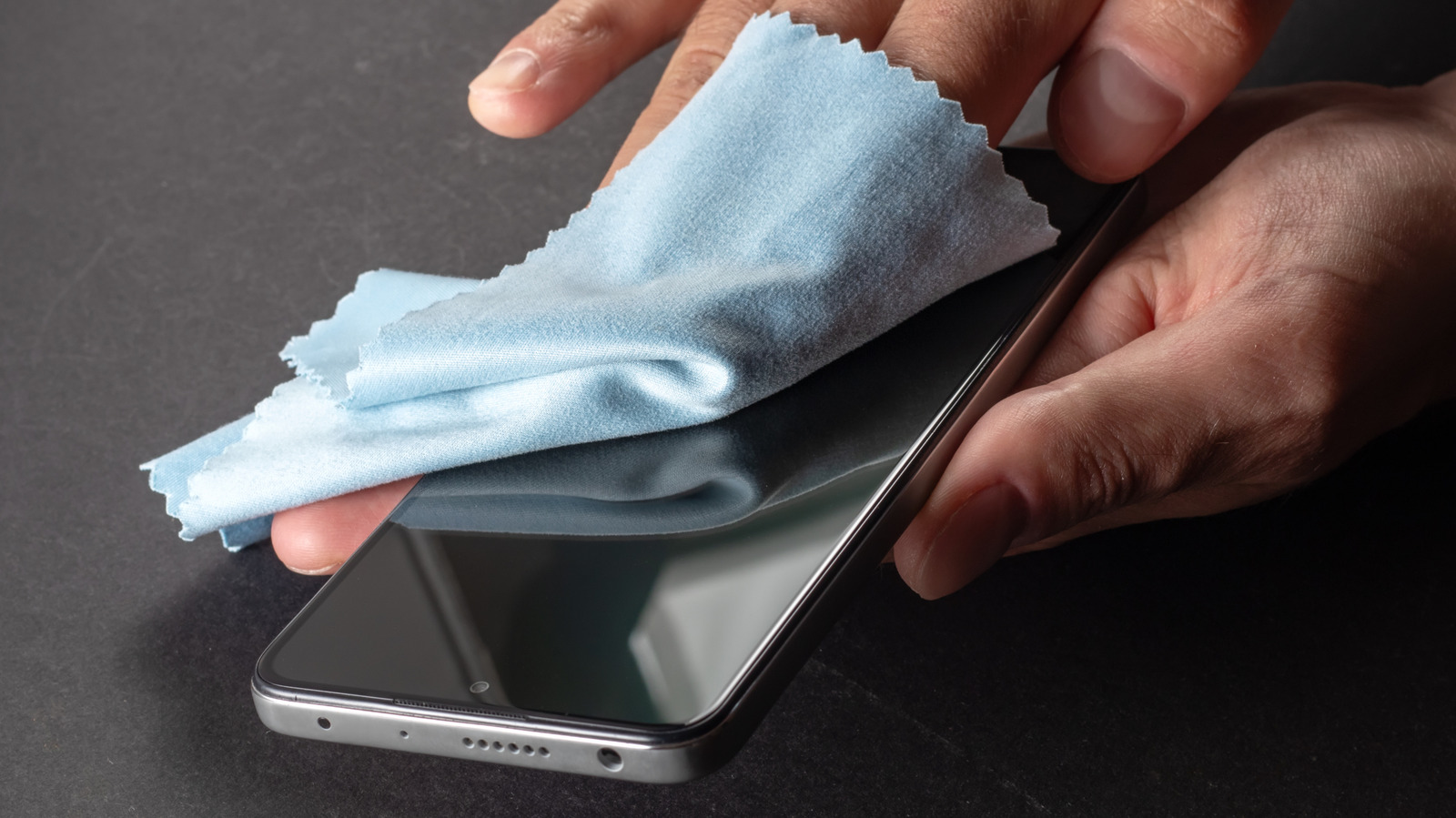
Smartphones have become ubiquitous companions, but their surfaces also serve as breeding grounds for countless microbes. Recent guidance from health and technology experts cautions against the use of aggressive cleaning agents—such as bleach, ammonia, or abrasive powders—on these devices, recommending instead a series of low‑impact techniques that effectively reduce bacterial load without jeopardizing the phone's delicate components.
The rationale behind the warning stems from the construction of modern phones, which feature intricate displays, protective coatings, and water‑resistant seals. Harsh chemicals can degrade oleophobic layers, cloud camera lenses, and compromise seals designed to keep moisture out, potentially shortening the device's lifespan. Moreover, abrasive scrubbing can create micro‑scratches that harbor dirt and germs, counteracting any cleaning effort.
Industry specialists suggest a straightforward routine: power down the device, remove any case, and gently wipe the exterior with a soft, lint‑free microfiber cloth. For areas with visible smudges, a lightly dampened cloth—moistened with a solution of 70% isopropyl alcohol or a mild soap diluted in water—can be used. The cloth should be wrung out thoroughly to avoid excess moisture, and the phone should be allowed to air‑dry before turning it back on. This approach aligns with recommendations from both the Centers for Disease Control and Prevention and major smartphone manufacturers, which have long endorsed alcohol‑based wipes applied sparingly.
While the temptation to reach for household disinfectants is understandable amid heightened public health concerns, experts stress that a balanced approach protects both user health and device integrity. They note that frequent hand washing, using hand sanitizer, and avoiding shared touchpoints can further limit microbial transfer to phones. For those seeking extra protection, removable silicone or TPU cases can be washed separately, and screen protectors can be swapped out periodically.
Looking ahead, analysts predict that manufacturers may integrate more robust antimicrobial materials into future models, reducing reliance on external cleaning altogether. Until such innovations become mainstream, the consensus remains clear: gentle, alcohol‑based cleaning paired with careful handling offers the most effective and safest method to keep smartphones hygienic without inflicting damage.


Comments (0)
Be the first to comment.
Join the discussion